
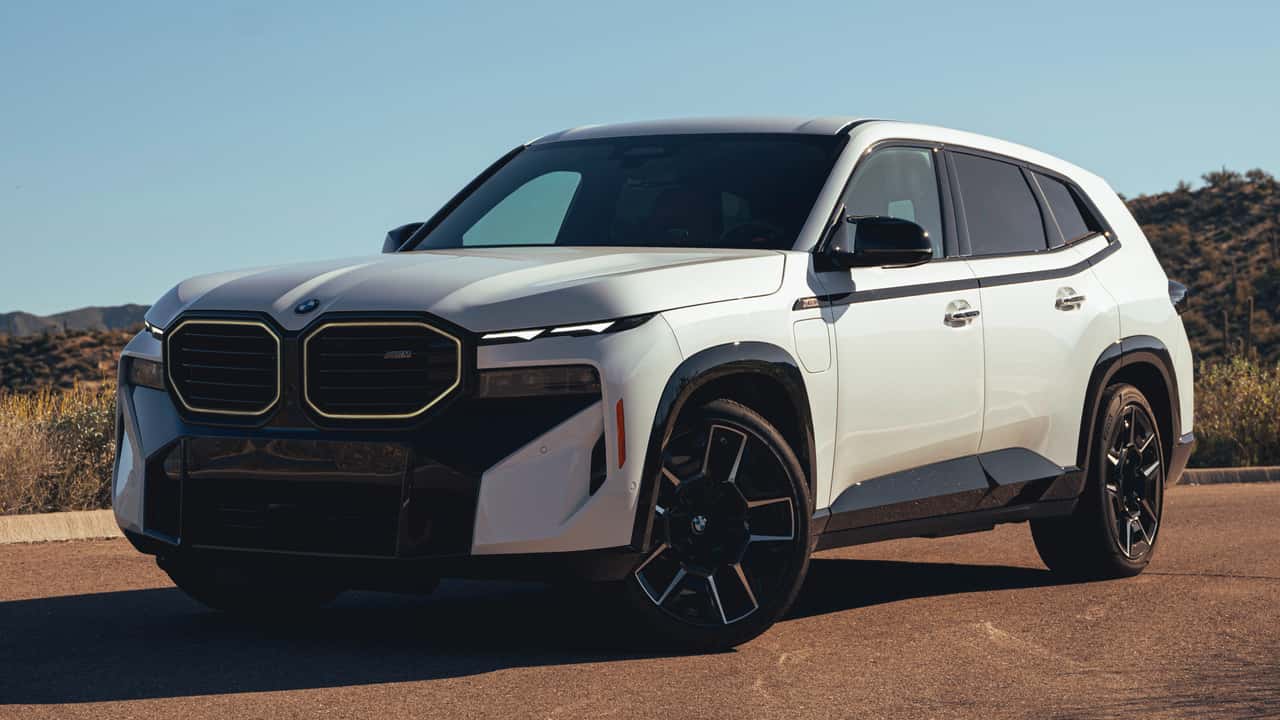


Only 2,816 buyers worldwide picked up a BMW XM in the first half of 2025. That’s a 22.4 percent decline from the same period last year, for a vehicle that was already the slowest seller in Munich’s entire portfolio.
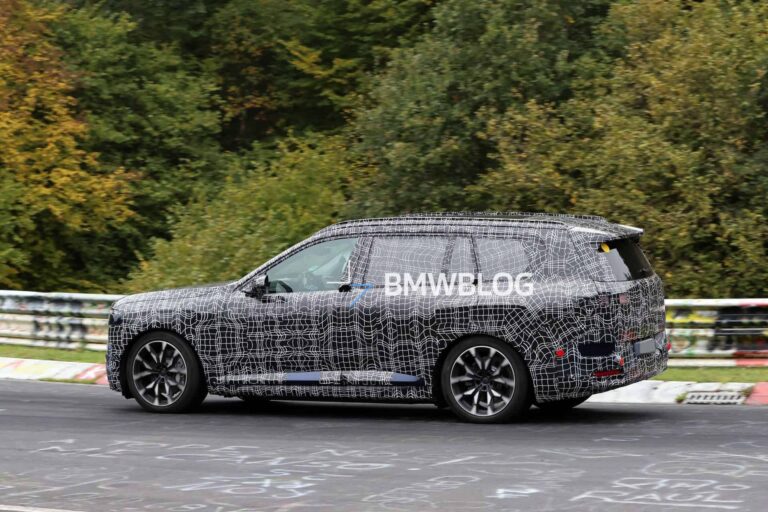
The writing has been on the wall for a while. According to Automotive News, the XM faces an uncertain future, with no facelift prototypes spotted and no indication a second generation is in development. For a vehicle that debuted four years ago, the absence of mid-cycle spy shots is practically a death certificate.
BMW had big plans for its first standalone M model since the legendary M1. China was supposed to absorb 23 percent of production. The United States, pegged at 26 percent, was projected to be the top market. Neither delivered.
In the U.S., full-year 2024 sales limped to 1,878 units, down 4.9 percent. China, where homegrown electric SUVs from BYD and Li Auto dominate, proved even less hospitable. The XM was designed for a market that no longer exists, at least not the way BMW imagined it four years ago.
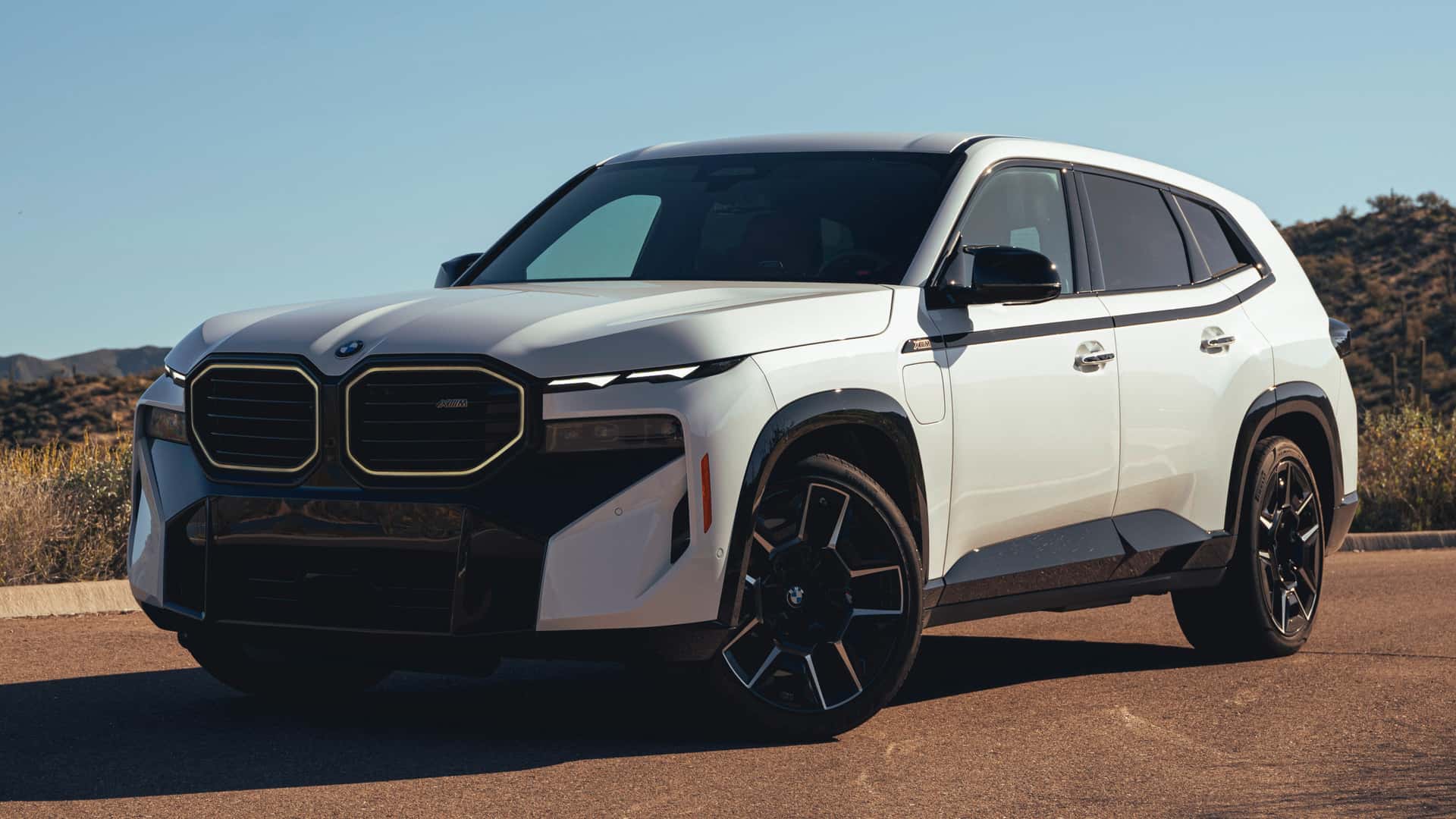
The math was never going to work in the XM’s favor. Its polarizing design, a slab-sided monument to excess, divided opinion from the moment the concept broke cover. Priced well into six figures, it asked customers to pay flagship money for a vehicle many couldn’t bring themselves to love.
BMW tried to spread the development costs around. The XM rides on the CLAR platform shared across the lineup, and its plug-in hybrid V8 powertrain found a second home in the M5. The cheaper XM 50e, unavailable in America, borrows its inline-six PHEV setup from existing models. Spreading costs was smart, but it wasn’t enough.
Global sales for all of 2024 hit just 7,608 units. The Z4 roadster, which BMW has since killed off, outsold it. When a two-seat convertible in a dying segment beats your flagship SUV, the conversation inside the boardroom changes fast.
The XM isn’t the only model facing the axe. The 8 Series is already gone, the Z4 is finished, and the i4 is being sacrificed so the new i3 sedan can take its slot. Rumors suggest the iX gets squeezed out by the upcoming iX5 and iX7.
BMW has promised roughly 40 new or updated models by the end of 2027 under its Neue Klasse architecture. The XM almost certainly won’t be among them. It was born on the old platform, designed for the old strategy, and sold into a market that shifted beneath its feet.
None of this is officially confirmed. BMW hasn’t announced a cancellation, and product plans set years in advance rarely get torn up unless the bleeding is severe. But the company isn’t investing in keeping the XM fresh, either. No facelift, no refresh, no next generation on the horizon.
The XM will likely linger on dealer lots for another year or two, growing increasingly out of place against a lineup being rebuilt from the ground up. It may end up as one of the only BMWs to skip the Neue Klasse transition entirely, a curious footnote from an era when the company thought it could sell a $160,000 plug-in hybrid SUV on the strength of an M badge and sheer audacity.
Production numbers will tell the final story. They’re heading in only one direction.

Share this Story