


Car theft has gotten embarrassingly easy. Relay attacks, CAN bus hacking, and good old-fashioned code grabbing mean a determined thief can be rolling in your truck before you’ve finished your coffee. Ford’s answer is disarmingly simple: a slider inside an app.
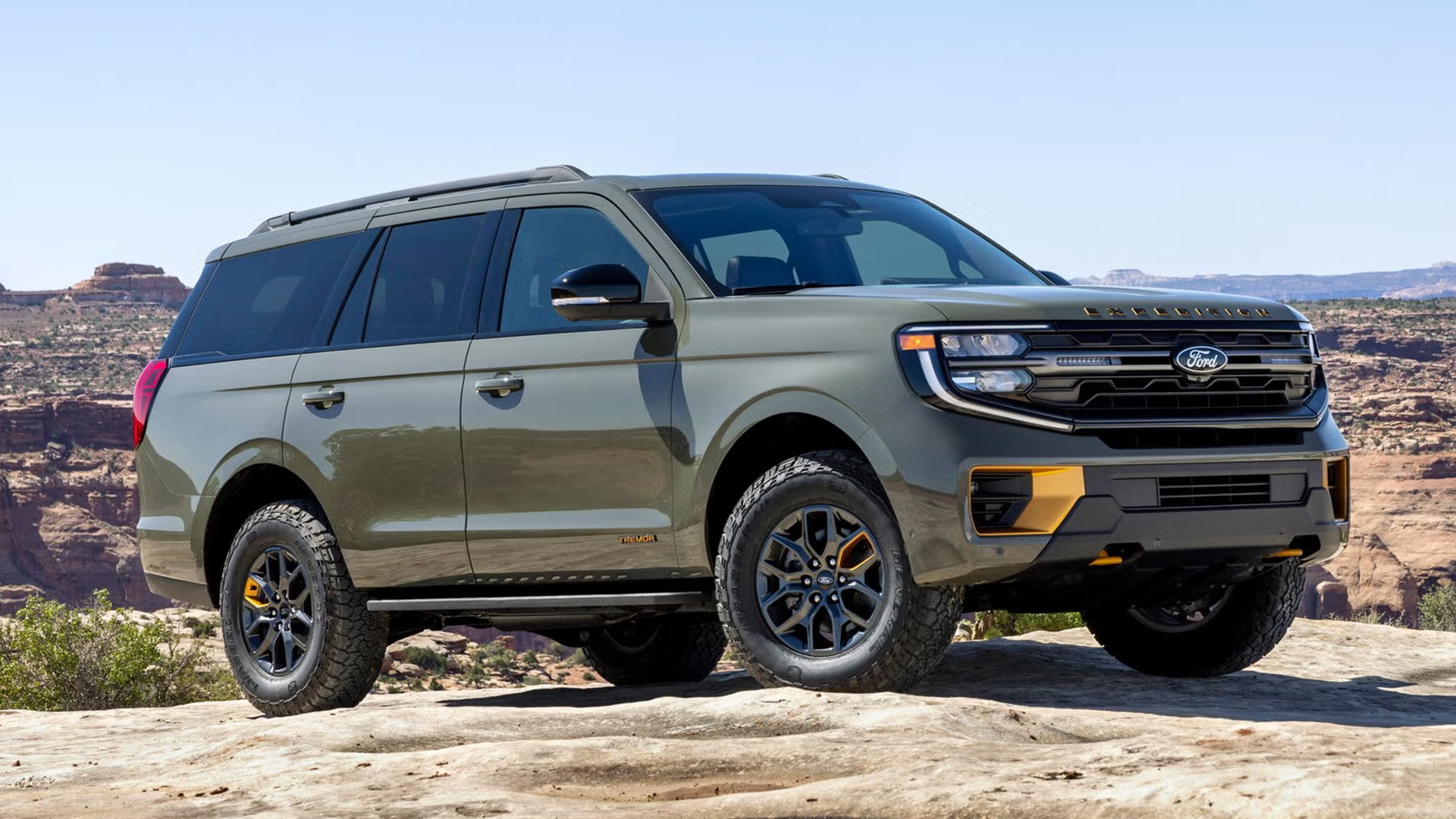
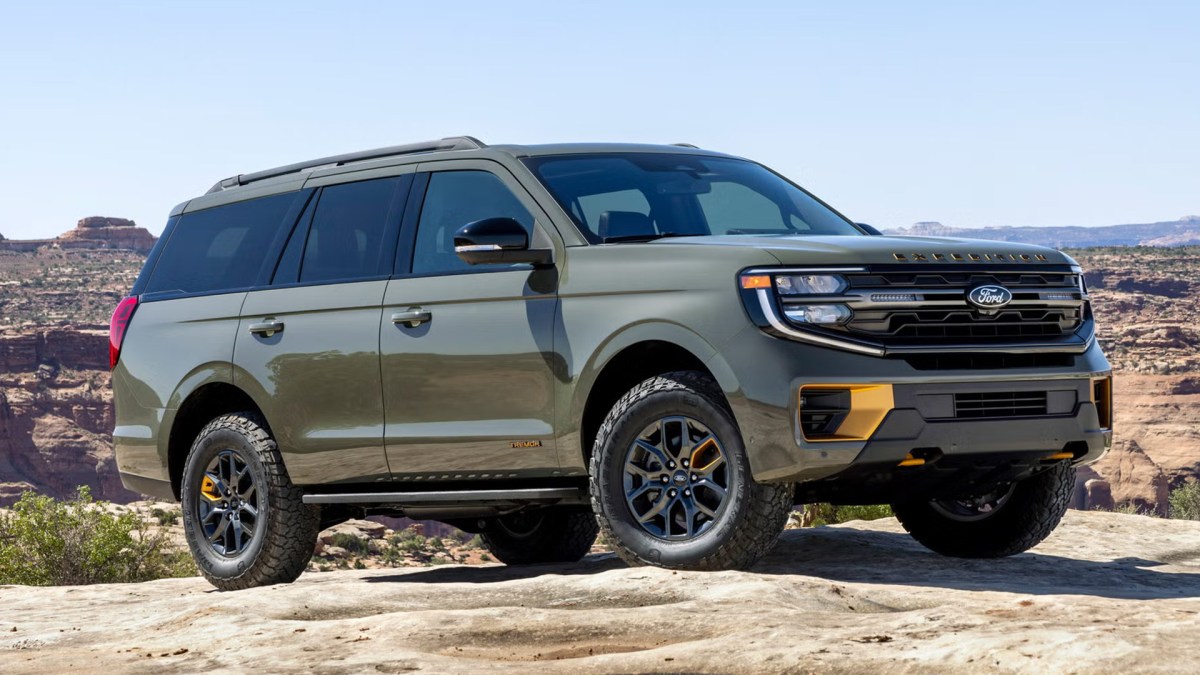
The Ford Security Package, which debuted on some 2024 F-Series trucks, now extends to the 2026 Expedition, 2026 Bronco Sport, and 2026 Mustang Mach-E. Its centerpiece is a remote engine start inhibitor baked into the FordPass app. Swipe a toggle, and the vehicle won’t start — even if the key fob is sitting on the front seat.
That last detail matters more than it sounds. Ford’s SecuriCode keypad on the door pillar has been a beloved convenience feature for decades, but it also creates an obvious vulnerability. Leave the key inside, and anyone who cracks or obtains your five-digit code has everything they need. The inhibitor closes that gap entirely.
Deactivation requires either phone access or a unique code generated within the app, so there’s no scenario where a thief with just a key fob or door code can drive off. And if your cell signal is garbage — say, at a remote trailhead where a Bronco Sport might actually end up — you punch in the deactivation code manually. No drama.
Ford bundles the inhibitor with stolen vehicle tracking and an optional truck bed camera for monitoring cargo. It’s a factory-supported package, which means no aftermarket wiring nightmares, no voided warranties, and no dealer shrugging when something goes sideways. Aftermarket killswitches have existed for years, but they range from elegant to electrical fire waiting to happen, and dealership service departments often treat them like someone else’s problem.
The curious omission is the F-150 Lightning. Ford hasn’t explained why its flagship electric truck is left out of the security package rollout, which is a strange gap considering the Lightning’s price tag. Electric trucks get stolen for different reasons, but they still get stolen.
The broader pattern here is Ford leaning harder into software-defined ownership than any other Detroit automaker. FordPass already handles remote start, lock and unlock, vehicle health alerts, and dealer service scheduling. Adding a security layer to that same ecosystem makes the app stickier and, more importantly, makes the phone as essential to the ownership experience as the key itself.
That’s a double-edged sword. The more your vehicle depends on a smartphone and a cellular connection, the more points of failure exist. Server outages, app bugs, expired subscriptions — all become potential headaches. Ford hasn’t announced whether the security package will eventually sit behind a paywall after a trial period, which is the industry’s favorite bait-and-switch move.
Still, as a theft deterrent, a factory killswitch controlled from your pocket is hard to argue with. It won’t stop someone from stripping your taillights in a parking lot or sawing off a catalytic converter, but it will stop them from driving the whole truck to a chop shop. In an era when organized theft rings operate with professional-grade electronics, the bar for basic vehicle security needed to rise. Ford, at least, seems to understand that the old alarm chirp doesn’t cut it anymore.
The real test is whether Ford keeps this accessible and free, or whether it becomes another subscription line item buried in the fine print.


Share this Story