
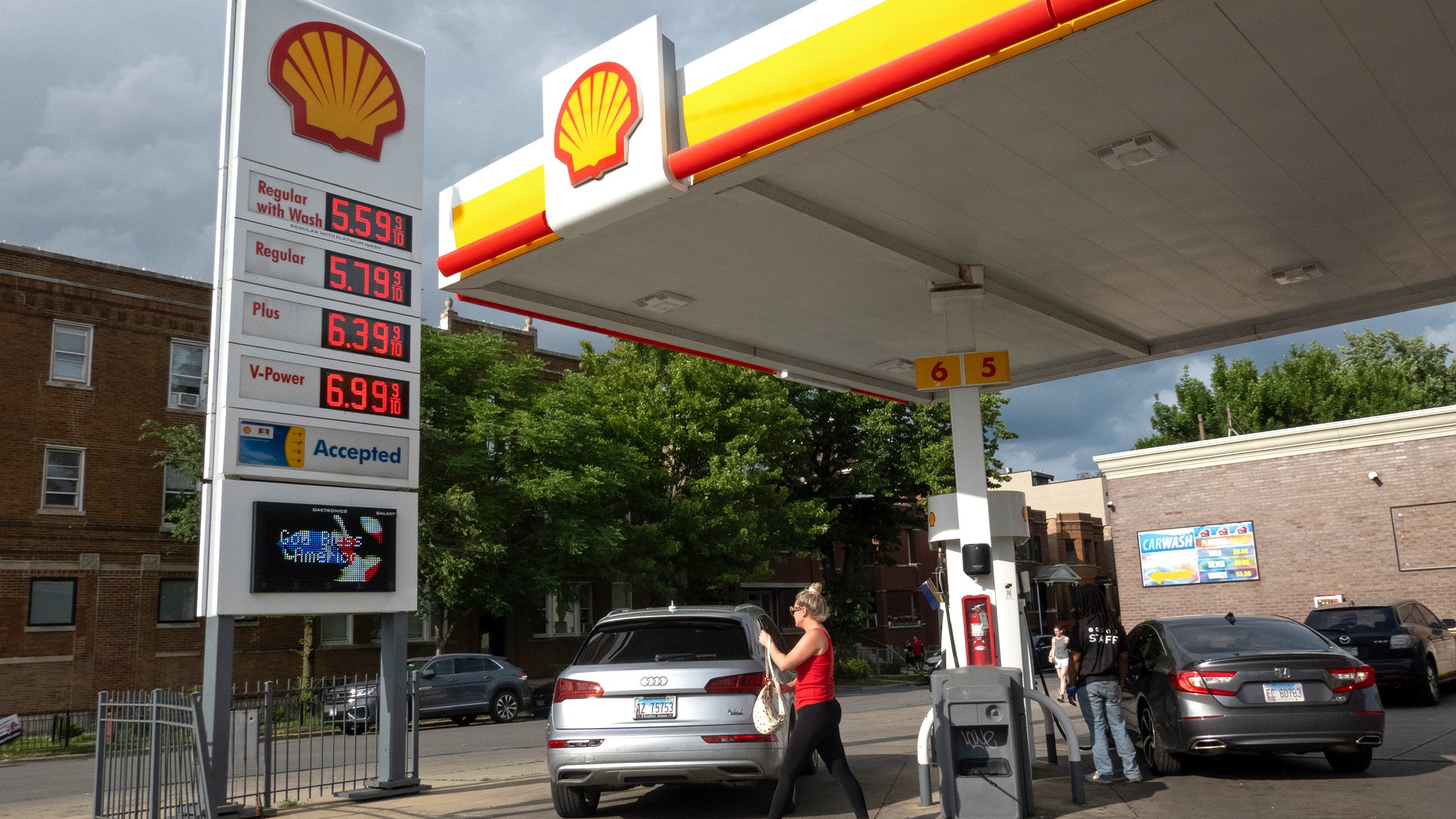


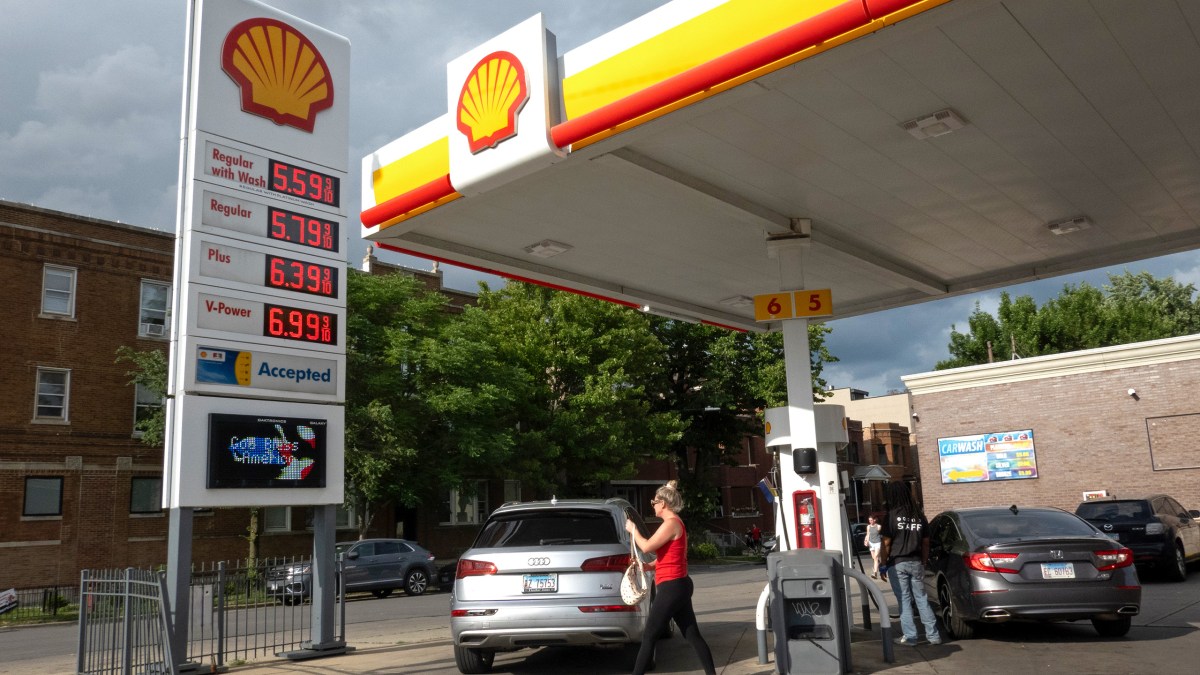
Premium gasoline sales dropped 5% over a four-day stretch late last month. Regular gas sales jumped 10% during the same period. The message from American drivers is blunt: at 90 cents more per gallon, premium isn’t worth it.
That spread between regular and premium is historically wide, and analysts at Bloomberg say it could hit a full dollar by year’s end. Mid-grade fell 2% in the same window, suggesting drivers aren’t stepping down gently. They’re skipping straight to 87 octane.
This is a pattern that repeats every time fuel prices spike, but the current gap is punishing enough to speed up the shift. Drivers who once topped off with 93 octane out of habit or mild recommendation from their owner’s manual are doing the math and walking away.
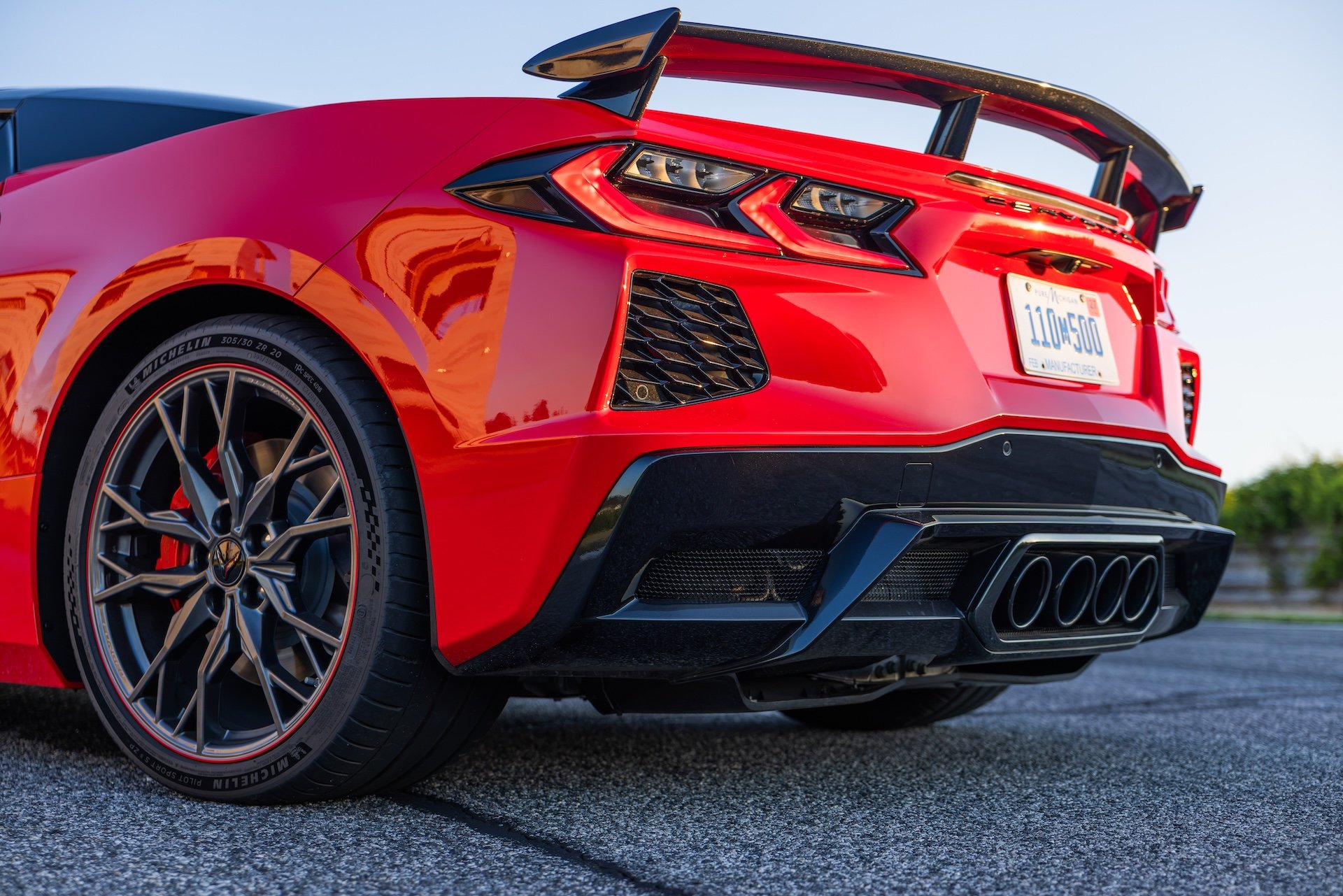
The problem is that not every car can handle the downgrade. Automakers draw a clear line between “recommended” and “required,” and that distinction matters. A turbocharged four-cylinder in a luxury sedan that specifies premium isn’t making a polite suggestion.
Running regular in those engines repeatedly can cause knock, reduce performance, and over time invite real mechanical damage. The savings at the pump get eaten alive by a repair bill.
For vehicles where premium is merely recommended — and there are plenty — the switch to regular typically costs a few horsepower and a fraction of fuel economy. Most drivers will never notice the difference. The engine management system adjusts timing, and life goes on.
The wider story here is how sensitive consumer behavior remains to per-gallon pricing. Electric vehicle adoption was supposed to be the escape valve, but EV sales growth has cooled, charging infrastructure remains uneven, and sticker prices on battery-powered models still sit above their gas equivalents in most segments. So when fuel costs climb, millions of drivers don’t have a real alternative. They just buy cheaper gas.
Automakers keep engineering vehicles around premium fuel. The push for smaller displacement turbocharged engines over the past decade made 91 or 93 octane the default for a growing share of new cars. That engineering choice quietly transferred cost from the showroom to the gas station. When premium was only 30 or 40 cents more per gallon, nobody cared. At 90 cents and climbing, it’s a different conversation.
Refiners are watching, too. The premium-to-regular spread reflects refining margins and demand, but it also reflects a market that has been segmenting fuel grades more aggressively. Premium has become a profit center for fuel retailers, and the widening gap suggests they see room to push further.
The 10% surge in regular sales is the consumer’s answer. It’s not sophisticated or permanent, but it’s immediate and rational for anyone whose engine can tolerate it. The automakers who spec premium as a recommendation rather than a requirement might want to start making that distinction louder in their marketing, because their customers are already making the call on their own.
A dollar spread by December would be unprecedented in recent memory. If it gets there, expect the premium-to-regular migration to pick up even more steam. For most cars, the switch is perfectly safe. For some, it absolutely isn’t. Knowing which camp your vehicle falls into has never been worth more.



Share this Story