
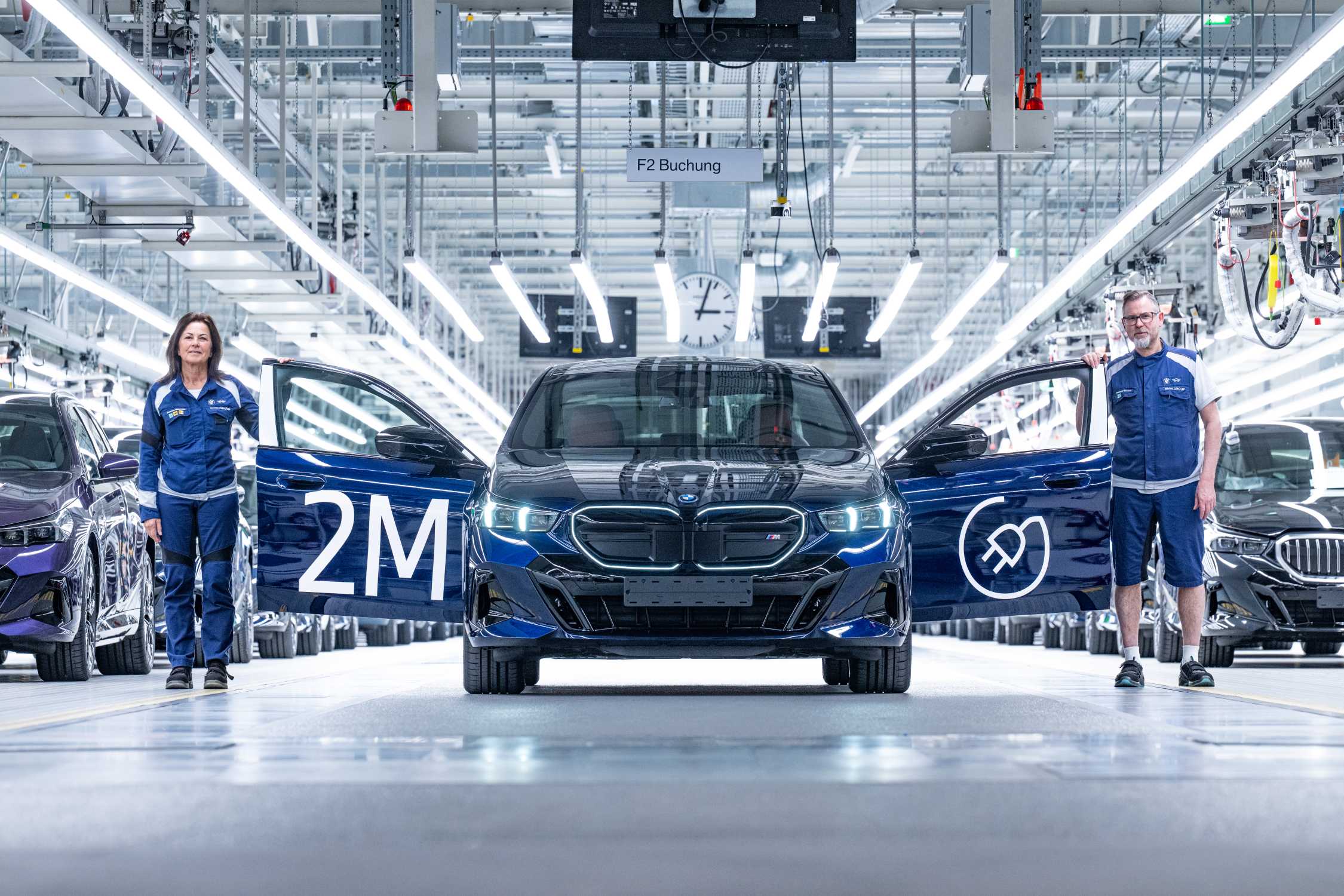


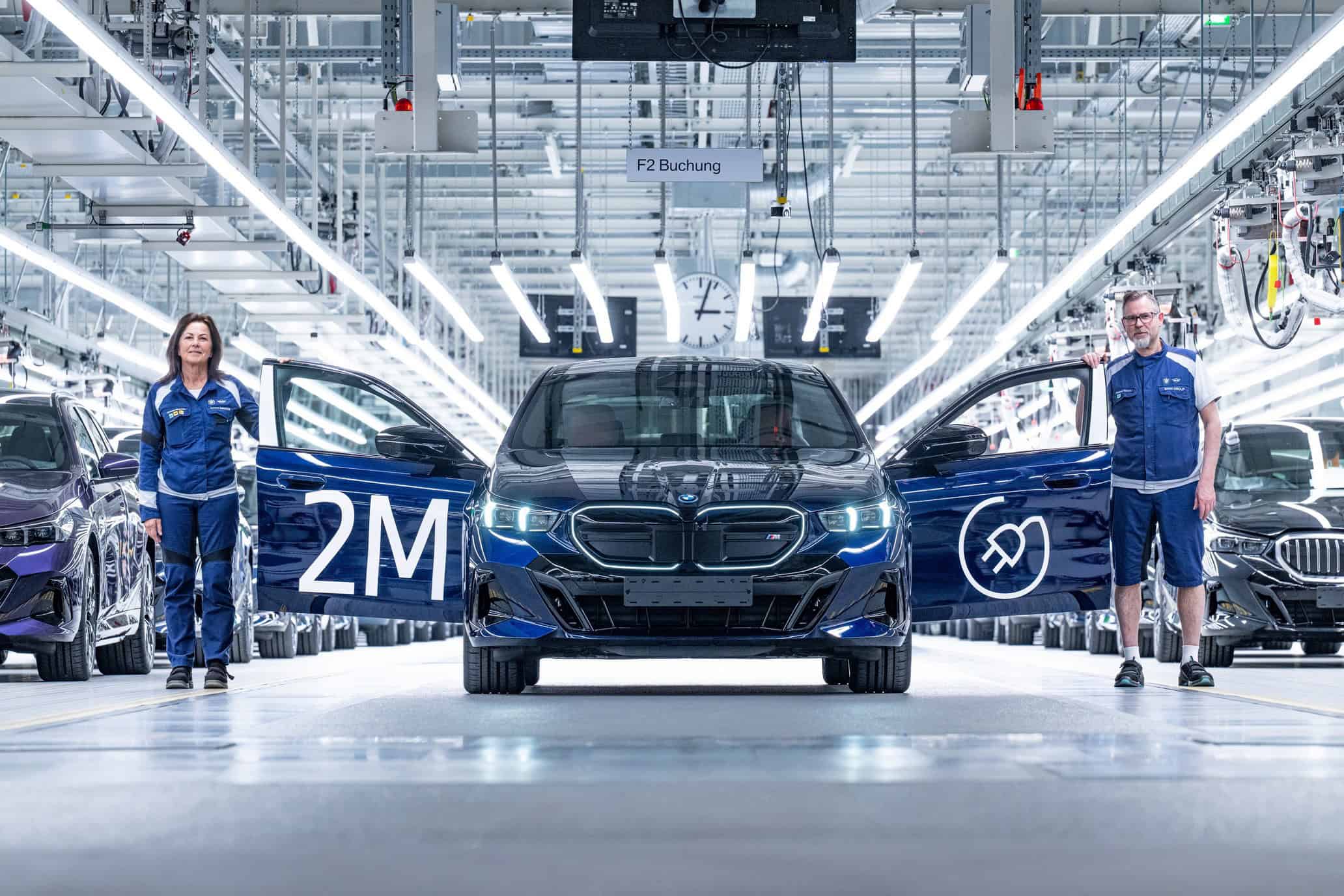
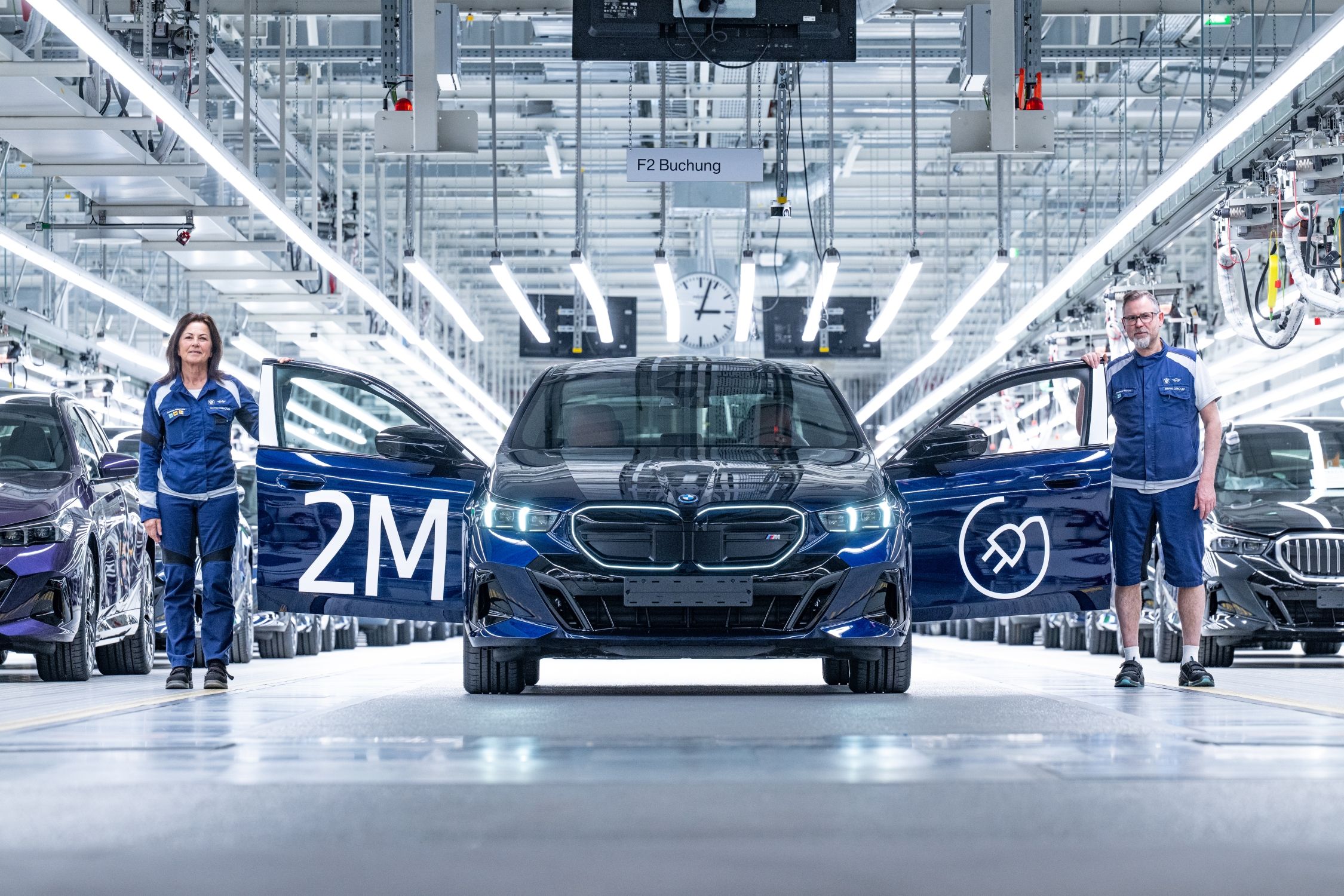
BMW’s two-millionth electric vehicle rolled off the line at Plant Dingolfing this week — a Tanzanite Blue i5 M60 xDrive sedan bound for a customer in Spain. It took the company from 2013 to early 2024 to hit one million. It took just over two years to double that number.
The acceleration is real. But dig past the champagne photo op and the more interesting story is how BMW is building these cars, not just how many.
Dingolfing alone has produced more than 320,000 fully electric vehicles since it started EV series production with the iX in 2021. That’s roughly one in six of every battery-electric BMW ever made, all from a single Bavarian plant that simultaneously builds combustion and hybrid models on the same lines. The factory currently assembles the iX, i5 sedan, i5 Touring, and i7 — the widest spread of all-electric models in BMW’s global network.
This is BMW’s iFactory philosophy in practice: don’t build dedicated EV plants, build flexible ones. Petrol, plug-in hybrid, and fully electric vehicles share production lines, and the mix shifts as demand dictates. In 2025, more than a quarter of Dingolfing’s output was fully electric.
It’s a calculated hedge, and it stands in sharp contrast to the approach taken by rivals who bet billions on EV-only gigafactories before the market was ready. BMW never went all-in on a single powertrain bet. Whether that’s caution or wisdom depends on your vantage point, but the production numbers suggest it’s working.
Every BMW Group plant in Germany now builds at least one fully electric model. EV production is no longer a side project or a compliance exercise — it’s woven into the standard rhythm of operations.
Still, the gap between ambition and reality remains wide. Electric vehicles accounted for just 17.9 percent of BMW Group deliveries last year. The company’s stated target is at least 50 percent by 2030. That means BMW needs to nearly triple its EV share in under four years.
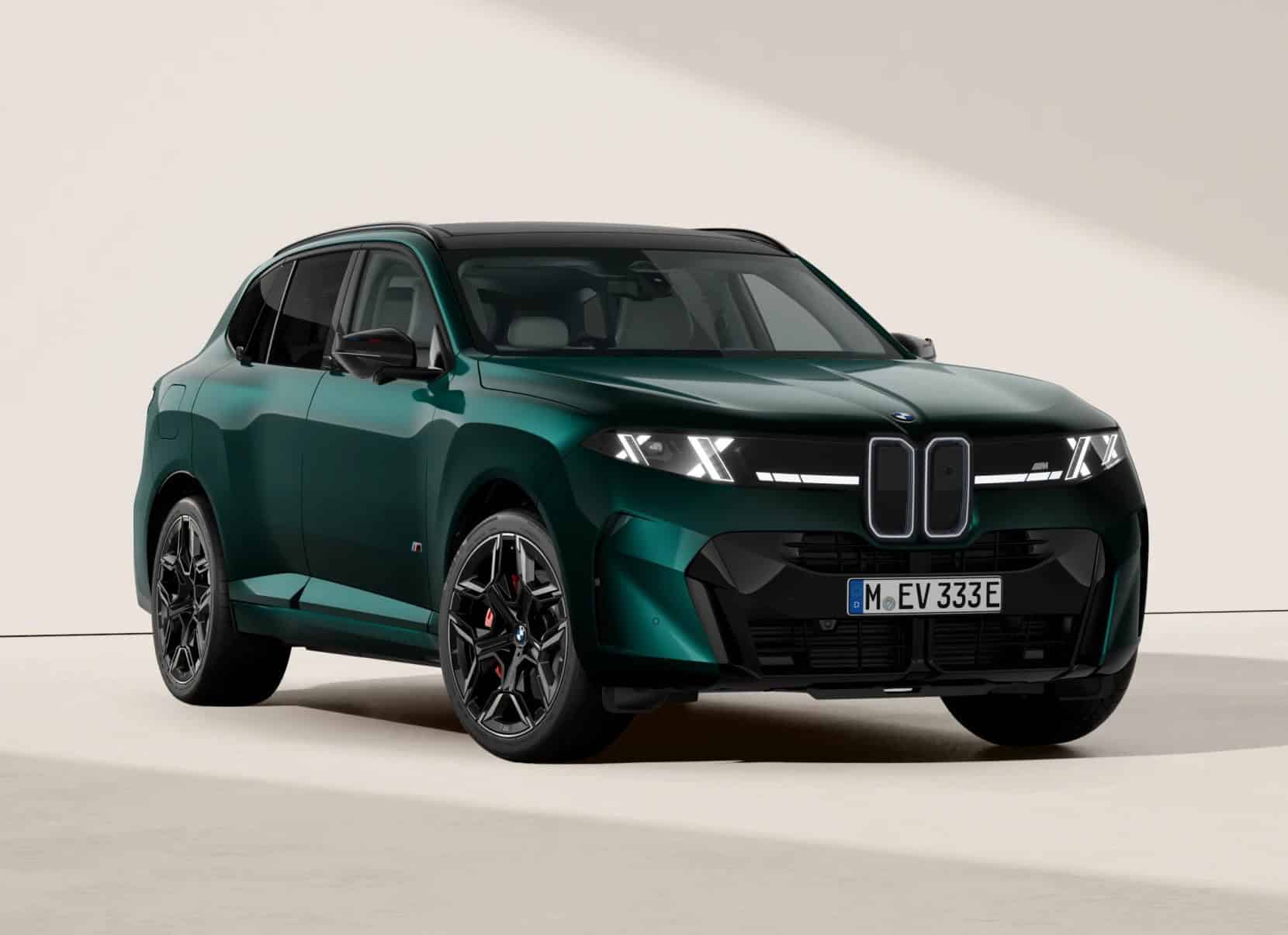
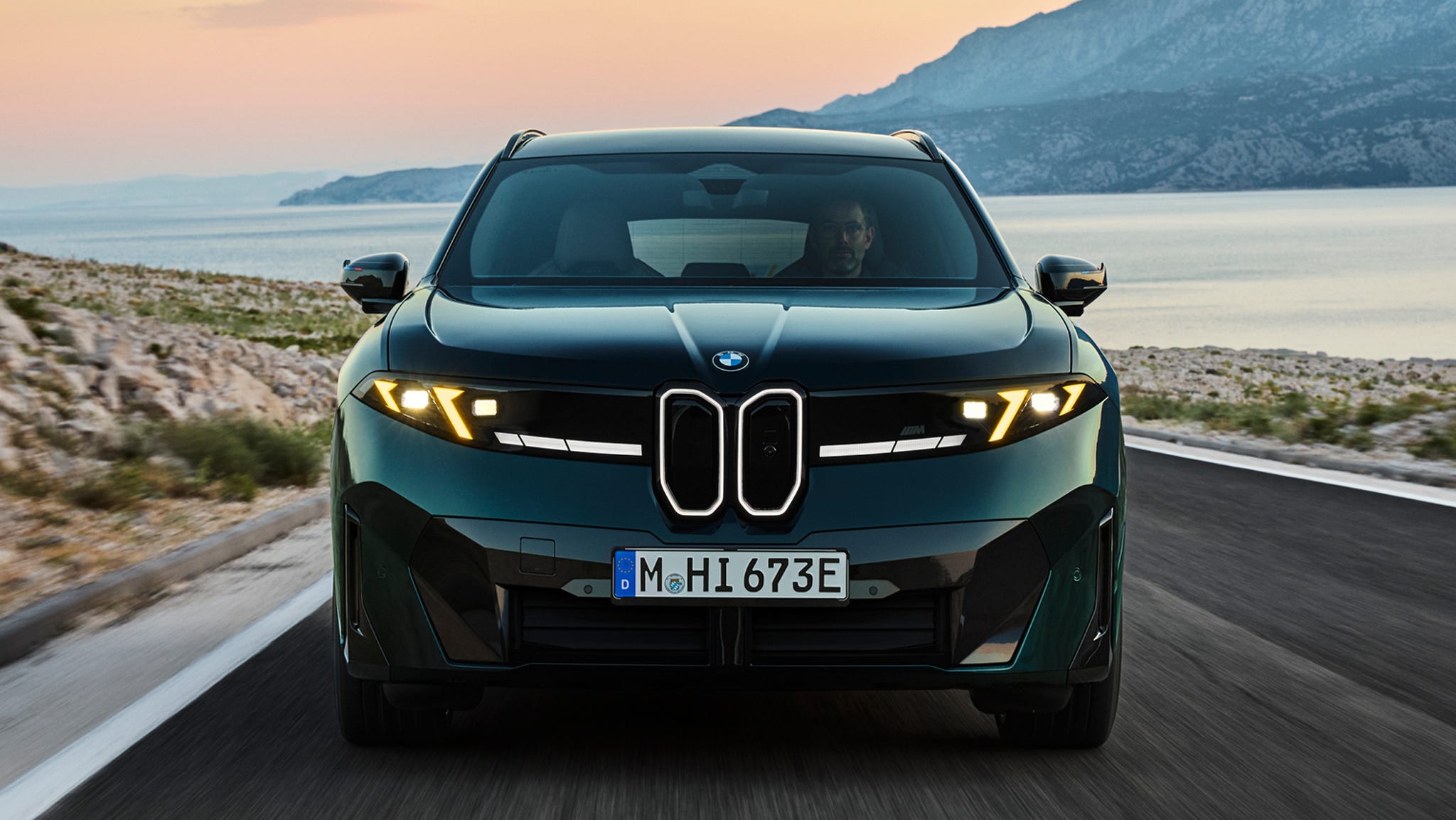
The Neue Klasse lineup is supposed to close that gap. The iX3 crossover, already on sale in Europe, has racked up more than 50,000 orders since its September launch. The i3 sedan arrives in Europe this year and hits the U.S. in 2027.
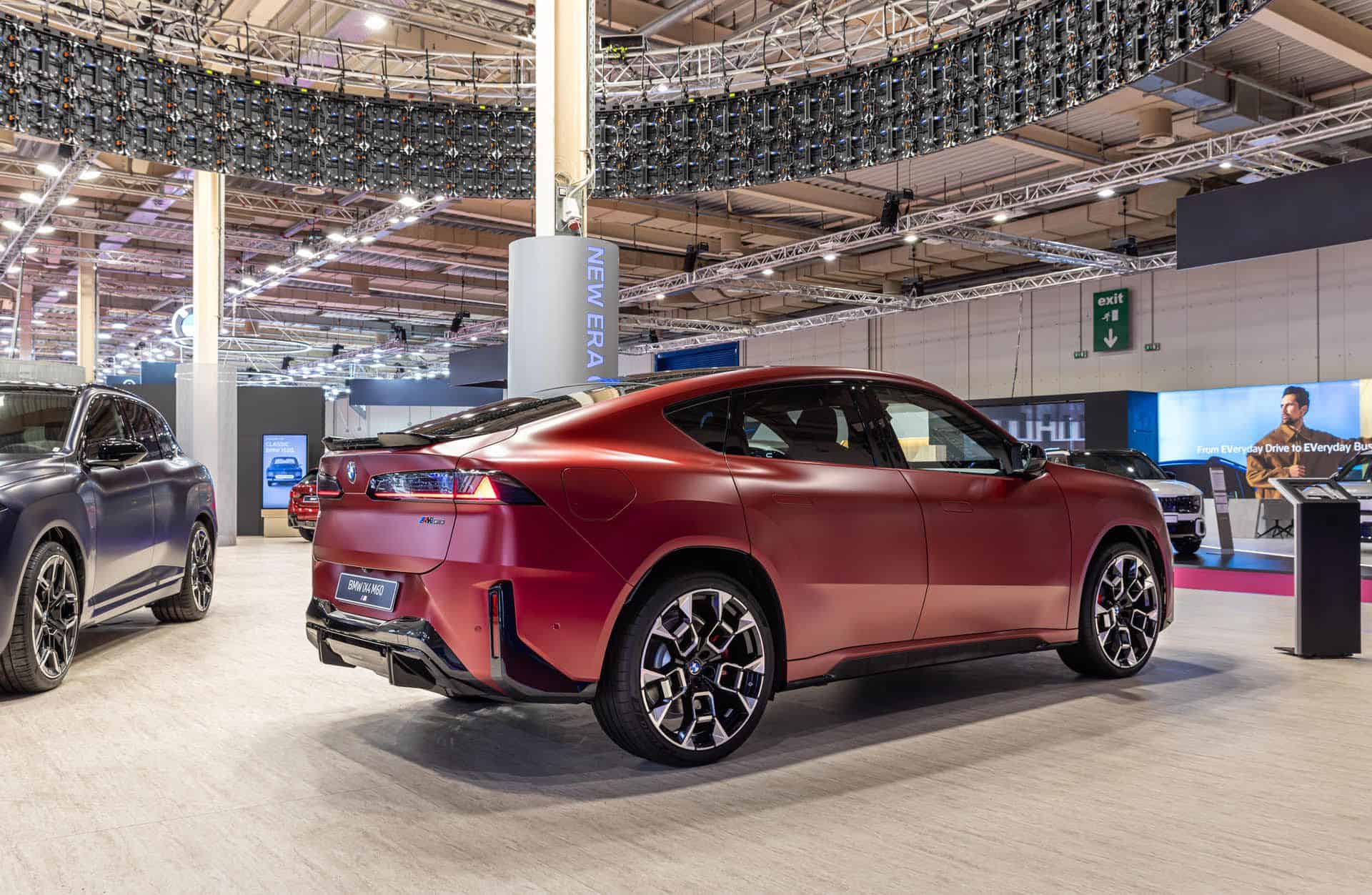
An iX5 will replace the aging iX, and a three-row iX7 is expected in 2027. Further out, an i1 hatchback and i2 compact sedan would push BMW into more affordable EV territory for the first time.
The original i3 hatchback that started all of this back in Leipzig in 2013 was a curiosity — a carbon-fiber city car that felt like a science experiment. The i5 M60 that carries the two-million badge is a 593-horsepower performance sedan. The distance between those two cars tells you everything about where BMW’s electric program has traveled.
Meanwhile, Leipzig itself isn’t standing still. The plant just introduced terahertz-based measurement technology for inspecting paint thickness on plastic exterior components — a first for the industry in series production. It’s a small detail, but it signals how deeply digitalization is embedding itself into BMW’s manufacturing, electric or otherwise.
Two million is a milestone worth noting. But BMW’s real test isn’t behind it. Hitting 50 percent EV sales by 2030 will require the Neue Klasse offensive to deliver volume at a pace the company has never attempted. The factory flexibility is there. The product pipeline is there. Now comes the part where customers have to show up.
Share this Story