
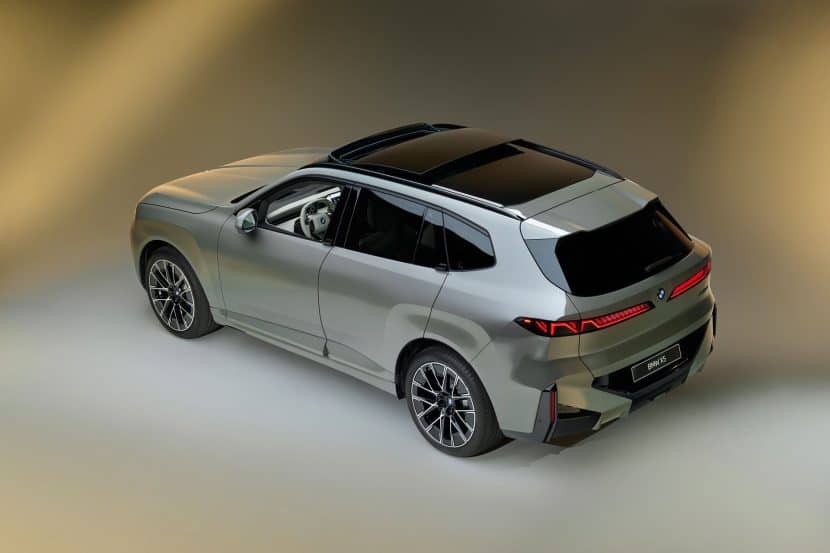


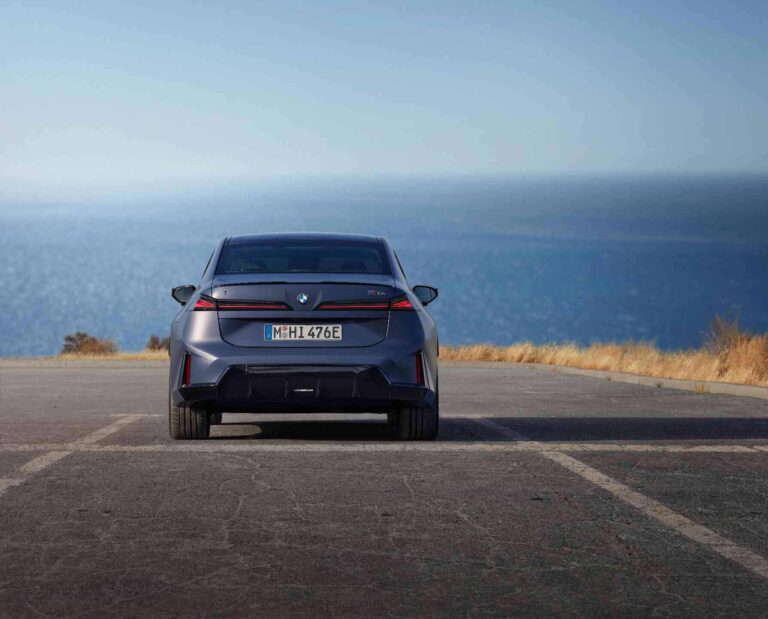
The BMW iX5 tips the scales at 2,825 kilograms. That’s 6,223 pounds of luxury SUV, the heaviest production BMW ever built if you exclude armored vehicles. And BMW wants you to believe it’s the environmentally responsible choice.
Munich says the iX5 60 xDrive can achieve a smaller carbon footprint than the combustion-engine X5 within one to two years of ownership. The math checks out, but only if you squint at the fine print: “depending on annual mileage and source of electricity used for charging.” Drive a lot and plug into wind turbines, and you hit the CO2 breakeven point fast. Drive modestly and charge from a coal-heavy grid, and that timeline stretches considerably.
This follows the same playbook BMW used for the Neue Klasse iX3. Before that SUV launched, the company claimed it would offset its production-related carbon penalty after 21,500 kilometers, or just 17,500 kilometers if charged exclusively with renewables. The iX5 carries a far bigger burden to overcome: a 141-kWh battery, the largest BMW has ever installed, which demands enormous energy and raw materials to manufacture.
BMW’s countermeasure is secondary raw materials. About 940 kilograms of the iX5, roughly a third of its total weight, comes from recycled sources. That’s a real number, and it matters in lifecycle analysis.
But it also highlights the tension at the heart of every large electric SUV: the heavier the vehicle, the bigger the battery required, the deeper the production carbon debt, and the longer it takes to dig out of that hole on the road.
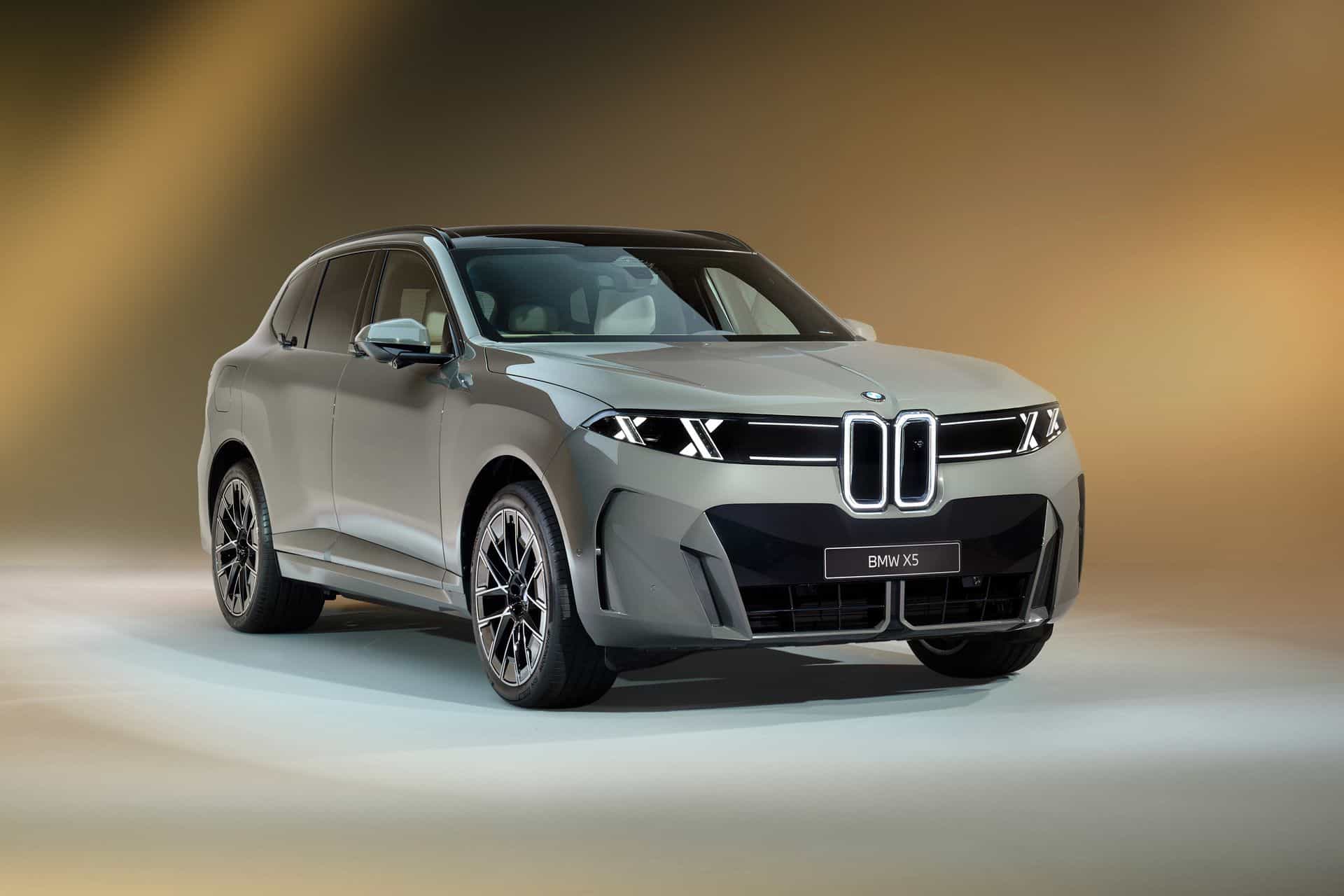
The iX5 outweighs the i7 M70. It outweighs the XM Label. It sits in a class of mass that would have been unthinkable for a passenger vehicle a decade ago. Calling it a green alternative to anything requires a very specific set of assumptions.
BMW is not blind to this contradiction. The company is hedging its bets across multiple fuel strategies. On the diesel side, it is promoting HVO100, a hydrotreated vegetable oil fuel derived from cooking oil and animal fats, which BMW claims can slash emissions by up to 90 percent.
On the gasoline side, BMW and Toyota are jointly trialing Repsol’s Nexa 95 renewable fuel in Spain. These are not headline-grabbing moves, but they signal that Munich views electrification as one tool, not the only tool.
The iX5 60 xDrive launches as the sole electric variant of the G65 X5 platform. BMW’s configurator is already live in several markets for the six-cylinder models, which means order books will fill well before most buyers run the lifecycle carbon math themselves.
Two years to carbon parity sounds appealing in a press release. In practice, it requires the owner to do the heavy lifting: high annual mileage and access to clean electricity. The average European drives roughly 13,000 kilometers per year, while the average American covers about 21,700 kilometers.
Where you live, how you charge, and how much you drive will determine whether BMW’s best-case scenario is your reality or a marketing exercise.
A 2.8-ton SUV is never going to be an environmental hero. BMW knows this. The company’s own language carefully avoids that framing, opting instead for “CO2 advantage” over the combustion X5.
That’s a relative claim, not an absolute one. It’s a quieter, more honest argument than most automakers are willing to make, and it still leaves a three-ton elephant in the room.
Share this Story