
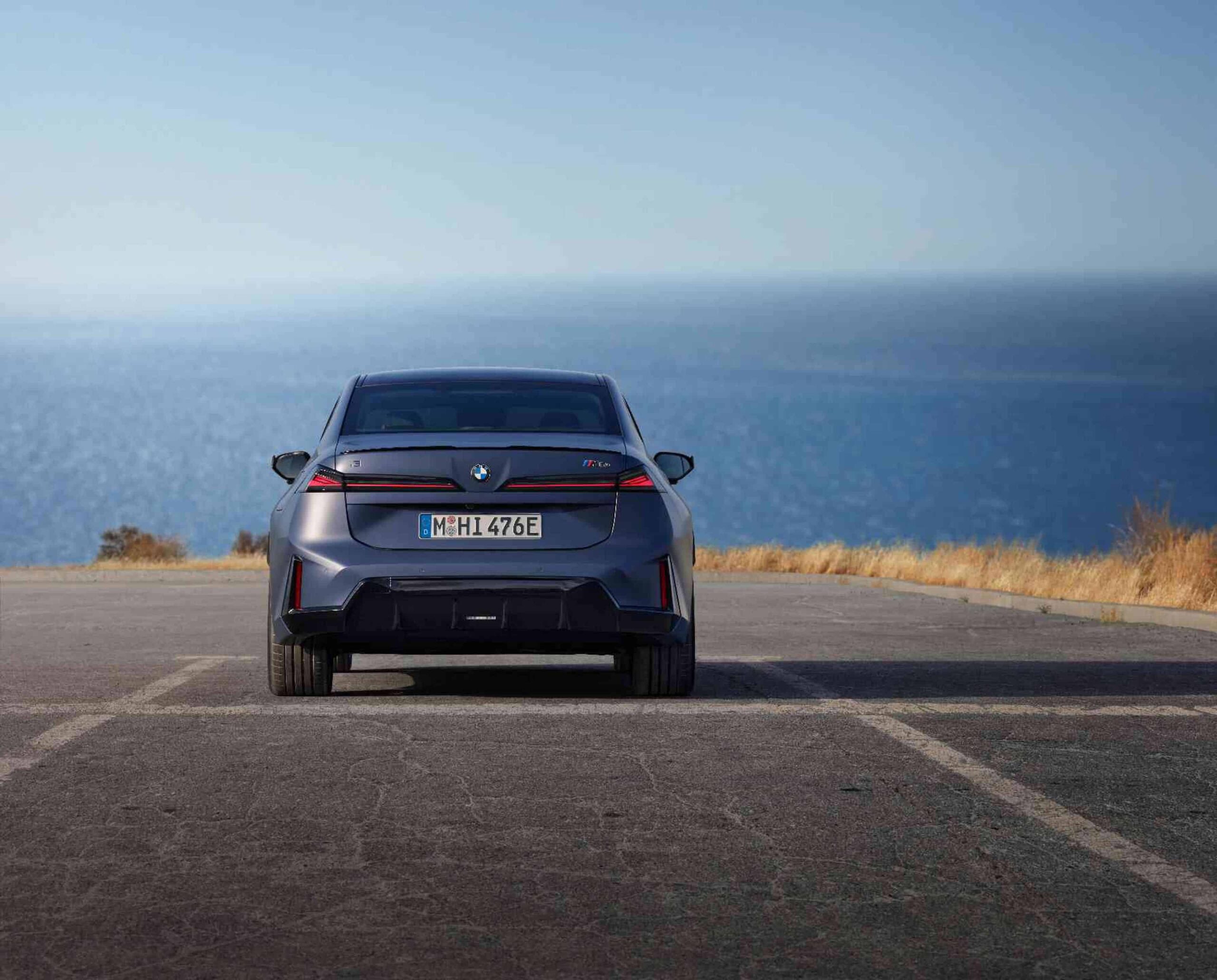


Joakim Rydholm doesn’t lack confidence. Polestar’s head of driving dynamics told Auto Express flatly that the second-generation Polestar 2 will beat the new BMW i3 when it arrives in 2027. “We will beat the new i3; that we must,” he said, citing lessons learned from the Polestar 5’s development, particularly its active dampers and steering tuning.
It’s a bold claim from a brand that delivered 14,371 cars globally in Q3 2026, its best third quarter ever, but still a rounding error compared to BMW’s volumes. Through nine months, Polestar shipped 44,790 vehicles worldwide, growth of barely half a percent over the same period last year. Stability, sure. Momentum, not quite.
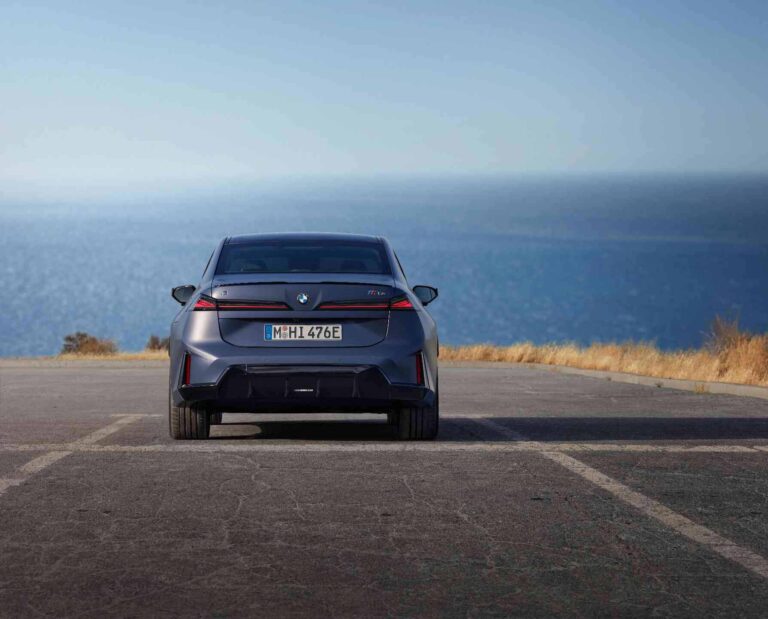
The target Rydholm chose isn’t soft, either. BMW’s i3 sits on the Neue Klasse platform, which has already shown what it can do in the iX3. The i3 M60, confirmed but not yet fully detailed, is expected to carry over the crossover’s dual-motor setup producing 603 horsepower and 875 Nm of torque, good for a 3.9-second sprint to 62 mph. In a lower, lighter sedan body, those numbers should only improve.
And the iX3 M60 already posts a 468-mile WLTP range. Squeeze that powertrain into a sleeker shape with less frontal area, and the i3 M60 could push that figure even further.
Then there’s the elephant lurking behind the M60: the full electric M3, with a confirmed quad-motor layout, also due in 2027. Polestar isn’t just picking one fight. It’s walking into a gym where Munich has three fighters warming up.
Rydholm’s argument, to be fair, isn’t really about power or range. He’s talking about feel. Steering response, body control, the kind of tactile feedback that makes a driver want to take the long way home.
Polestar has always positioned itself as the driver’s alternative in the EV space, and lessons from the 5’s chassis development could legitimately filter down into a smaller, lighter car. But wanting to beat the i3 on dynamics means beating BMW at what BMW does best.
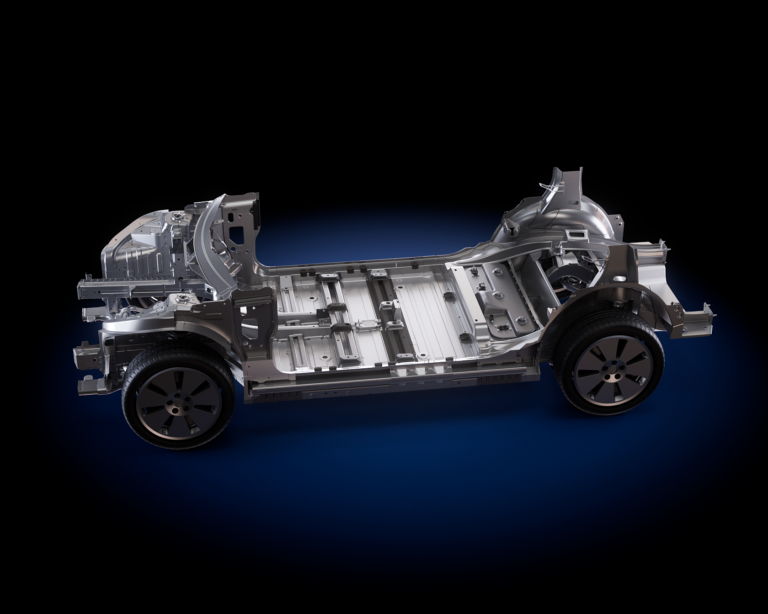
The Neue Klasse platform was engineered from scratch, with a near-perfect 50:50 weight distribution and a low center of gravity that BMW has been talking about since the platform was first shown. Munich has decades of chassis-tuning muscle memory baked into its engineering culture.
Geography complicates things for Polestar, too. New U.S. regulations have effectively locked the Geely-owned brand out of American sales starting with the 2027 model year. That means the next Polestar 2’s battle with the i3 will play out primarily in Europe and select Asian markets, where BMW’s EV push is intensifying and where Chinese-backed brands face growing political headwinds of their own.
Polestar’s pitch is that it wants to compete on something more interesting than spec-sheet numbers. That’s refreshing. The EV market has been drowning in horsepower wars and range one-upmanship for years, and a brand that prioritizes how a car actually drives deserves some credit for ambition.
Ambition, though, is not execution. The current Polestar 2 is a competent car that never quite punched through to the level of desirability its marketing promised. A second generation built on Geely’s SEA platform will need to be a fundamentally different animal to threaten a car born on Neue Klasse architecture.
Rydholm sounds like he believes it. BMW’s engineers in Munich are probably already aware of his comments. Whether they’re worried is another question entirely.
Share this Story