
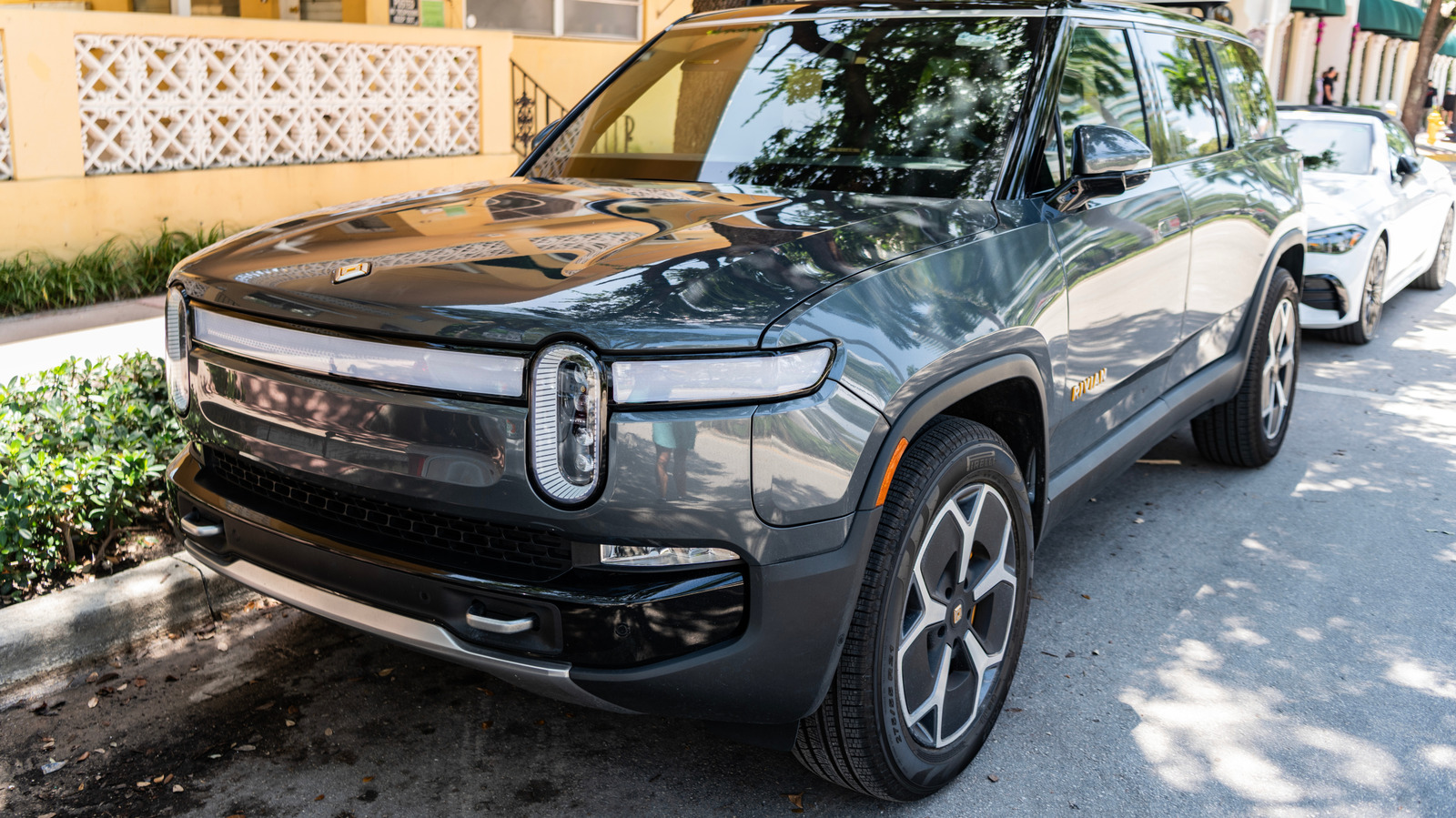


For years, safety advocates hammered Tesla for turning paying customers into guinea pigs for half-baked autonomous driving software. Rivian apparently took notes and decided it liked the idea.
The EV startup has launched an invite-only Autonomous Early Access Program that will put its most advanced driver assistance system, Point to Point, into the hands of select owners. Second-generation R1 and R2 drivers subscribed to Rivian’s Autonomy+ tier are eligible, provided they pass a screening process based on driving history, feature usage, vehicle model, and state of residence. California and Florida residents get first access.
Rivian says it is scrutinizing forward collision warnings and actual collision events to filter out risky drivers. It also claims it will balance the tester pool by region, vehicle model, and other factors to reflect the broader owner base. That sounds reasonable on paper, but whether it holds up once the program scales is another question entirely.
Participants aren’t just along for the ride. They must actively use the self-driving features weekly, log issues in real time, fill out monthly surveys, and potentially sit for focus groups and one-on-one interviews. Data collection from vehicle cameras is mandatory, though Rivian says it won’t pull actual camera footage.
Every 30 days, the company re-checks eligibility and reserves the right to boot anyone not meeting obligations or driving safely enough.
Point to Point is Rivian’s answer to Tesla’s Full Self-Driving (Supervised). CEO RJ Scaringe has described it as a Level 2++ system offering hands-off, eyes-off driving between addresses. That language matters.
Level 2 means the driver is still responsible. The “++” is marketing, not a regulatory classification. Calling something “eyes-off” while labeling it Level 2 is the kind of contradiction that keeps NHTSA investigators employed.
Rivian plans to push the technology across its full customer fleet starting next year and targets a Level 4 system by 2028. That timeline is aggressive for a company that has yet to prove it can mass-produce vehicles at a profit, let alone deploy robotaxi-grade autonomy.
The broader pattern here is hard to ignore. When Tesla began wide-release beta testing of FSD years ago, every other automaker distanced themselves from the practice. Traditional OEMs relied on internal test fleets, professional safety drivers, and carefully geofenced operating domains.
Tesla was the outlier, the cautionary tale competitors used to burnish their own safety credentials. Now Rivian, a company that has positioned itself as the thoughtful, premium alternative to Tesla’s chaos, is adopting the same strategy.
The screening criteria are more transparent. The feedback loops are more structured. But the fundamental bet is identical: real customers, on real roads, stress-testing software that isn’t finished yet.
The difference between a controlled beta and a public safety experiment often comes down to scale and oversight. Rivian is starting small, with geographic limits and eligibility checks. Tesla started small too, then it opened the floodgates.
Rivian’s 30-day re-evaluation window and strict participation requirements suggest the company understands the reputational risk. Whether those guardrails survive contact with the pressure to ship features and justify subscription revenue is the question nobody at Rivian is answering yet.
Share this Story