
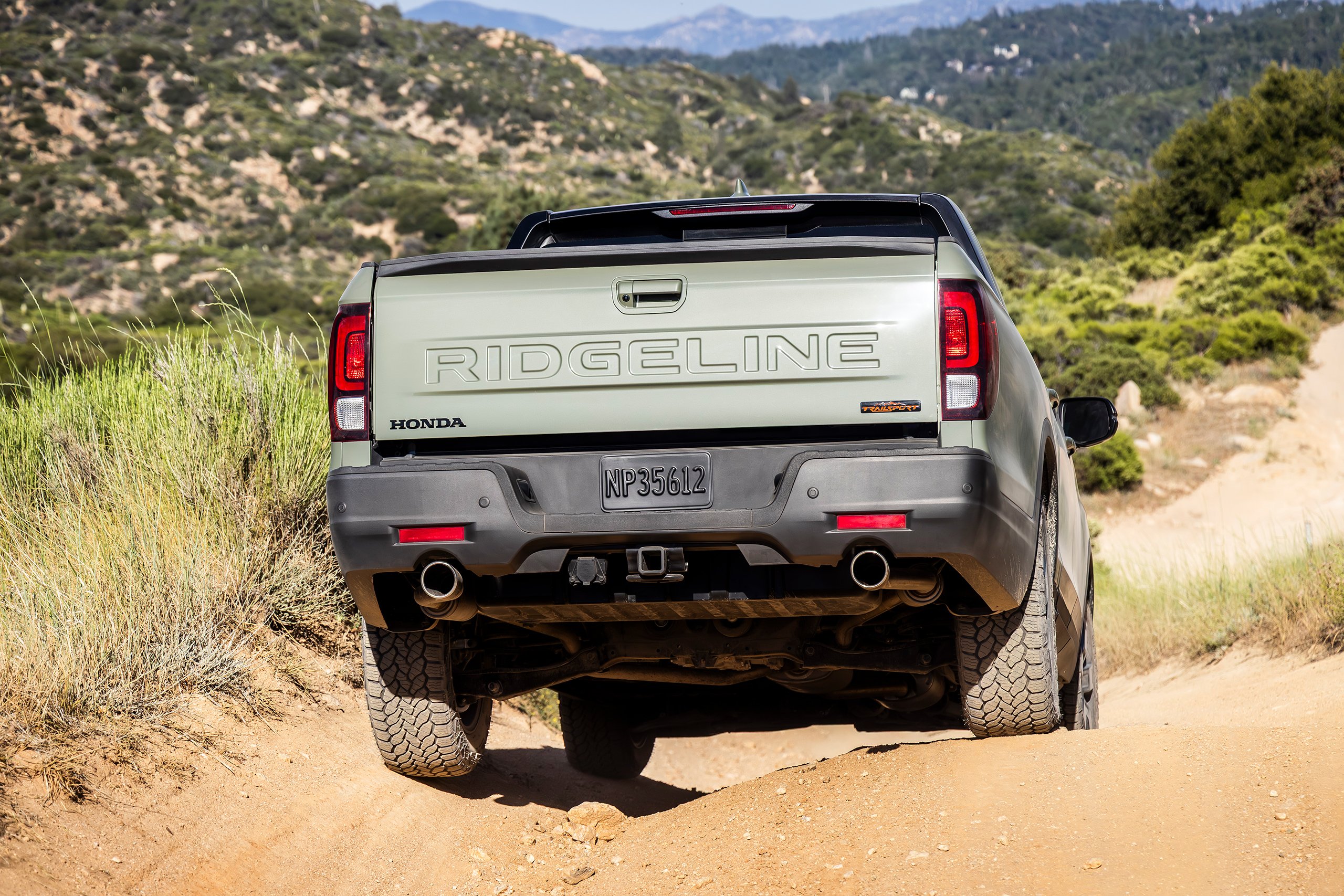


Honda has spent decades defending the Ridgeline’s unibody architecture as the smarter way to build a pickup. Now it’s going to Mitsubishi for the thing it swore it didn’t need: a ladder-frame truck.
The Japanese automaker confirmed it will source a body-on-frame pickup based on the Mitsubishi Triton, with sales beginning in Southeast Asia in 2028. The move represents a quiet concession that the Ridgeline, for all its refinement and loyal following, hasn’t been enough to compete in markets where traditional truck construction is table stakes.
Southeast Asia is the initial target, a region where the Triton already sells in serious volume and where mid-size pickups function as work vehicles, family haulers, and status symbols all at once. Honda has been largely shut out of that segment because it lacked the right hardware.
The more interesting question is whether this strategy migrates to North America. Honda hasn’t confirmed anything for this side of the Pacific, but the playbook is already being written by its own alliance partners. Mitsubishi is working with Nissan to rebadge the Frontier for U.S. sale, a low-investment way to fill a product gap without spending billions on a clean-sheet design.
Honda could follow a nearly identical path, though aligning with an existing North American product rather than importing the Triton would make more logistical sense.
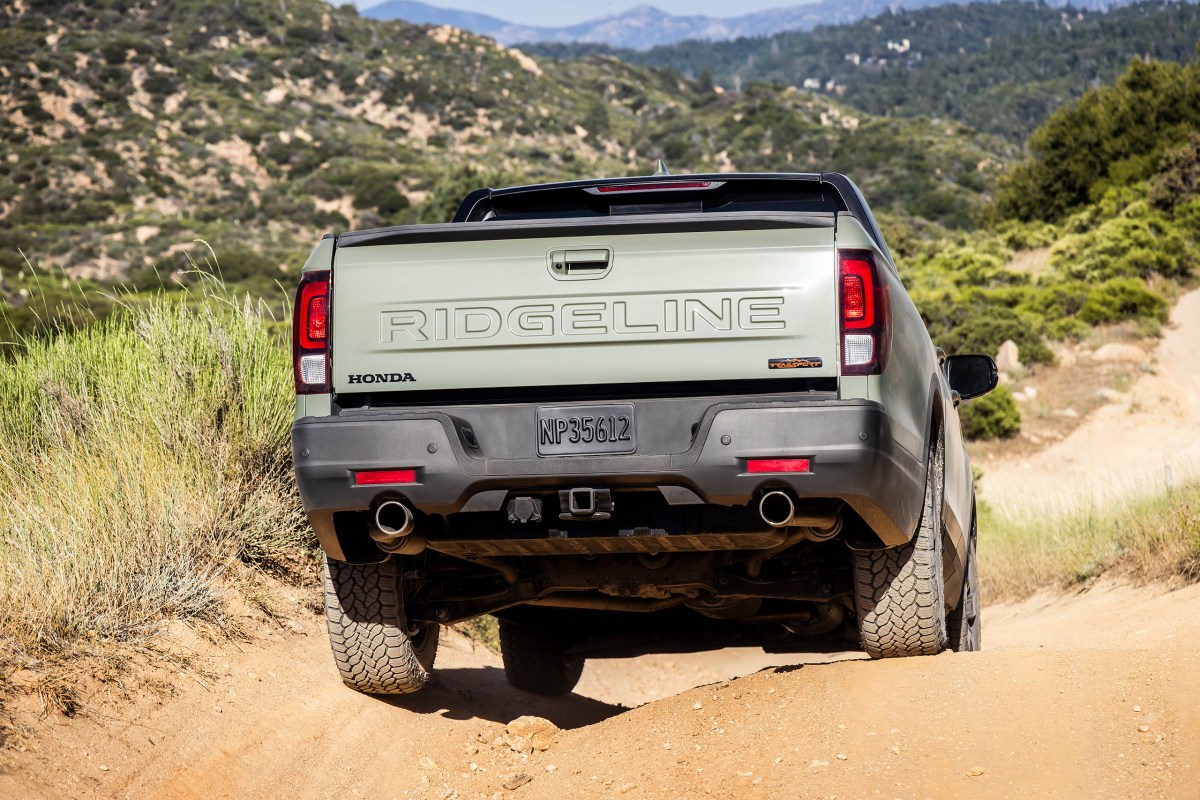
The Ridgeline has always been a paradox. Owners love it. Truck buyers ignore it. It drives better than most mid-size pickups, tows reasonably well, and has a trunk built into its bed that competitors still haven’t matched.
But the body-on-frame crowd views it as a crossover in costume, and that perception has capped its ceiling. Honda sold roughly 40,000 Ridgelines last year in the U.S. compared to nearly 200,000 Tacomas for Toyota and over 100,000 Frontiers for Nissan.
Sourcing a truck from Mitsubishi is the pragmatic move, not the bold one. Honda avoids the enormous capital expenditure of developing its own frame architecture while still getting a product that checks the boxes traditional truck buyers care about: a real frame, a solid rear axle, and the towing numbers that come with that engineering.
It also signals that Honda’s alliance with Nissan and Mitsubishi is producing tangible product decisions faster than many expected. Badge engineering has always carried a stigma, but when the alternative is spending five years and several billion dollars building something from scratch, the math gets simple.
The timing matters too. Ford, GM, and Toyota have all fortified their mid-size truck lineups in the past three years. The mid-size truck segment is more crowded than it has been in a generation, and Honda arriving in 2028 with a rebadged Triton will face a market that’s already picked sides.
Whether Honda can differentiate the product enough to justify the badge remains the open question. Mitsubishi’s Triton is a competent truck but not a segment leader. Wrapping it in Honda styling and tuning won’t change the bones underneath.
Honda has two years before the first units roll into Southeast Asian showrooms. What happens after that, and where, depends on how well the company can sell a truck it didn’t build.
Share this Story