
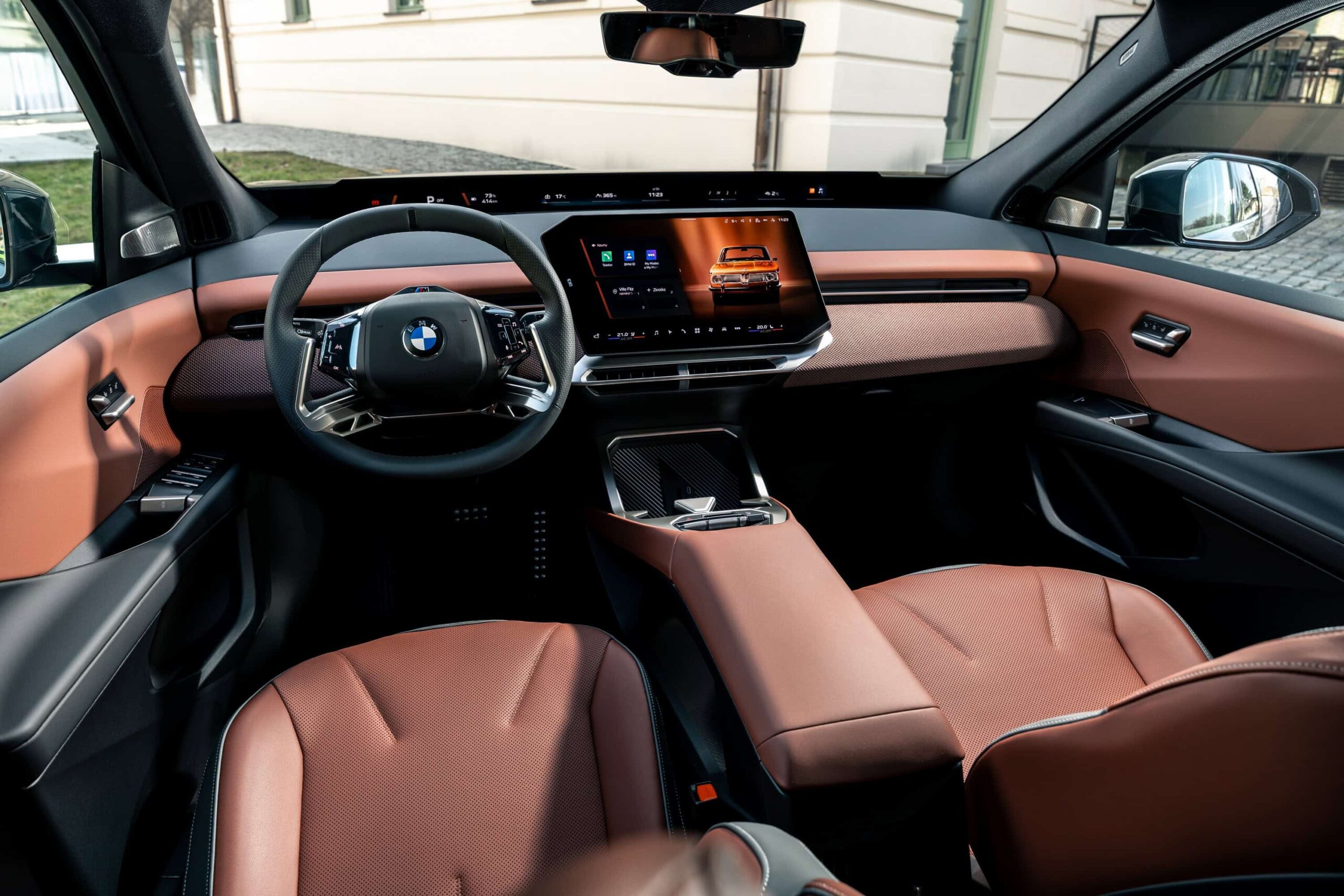


The BMW iX3 just earned top marks for its cabin from a jury of 47 automotive journalists at the German Car of the Year Awards 2027. And yet the electric SUV wasn’t even nominated for the overall title.
That disconnect tells you something about where the iX3 sits in a rapidly shifting competitive landscape. The first production model off BMW’s Neue Klasse platform impressed the press with its 17.9-inch central display, pillar-to-pillar windshield projection, and stripped-back physical controls. But when it came time to pick the five class finalists that will compete for the grand prize on November 2, the jury looked elsewhere.
The five cars vying for German Car of the Year 2027 are the Volkswagen ID. Polo, Kia PV5, Mercedes-Benz GLC Electric, Xpeng X9, and Hyundai Ioniq 6 N. Two Chinese-adjacent brands, two Korean-adjacent entries, and one Wolfsburg stalwart. No Munich.
BMW’s new interior philosophy ditches the iDrive rotary knob that defined its cabins for over two decades. In its place sits a screen-forward cockpit that larger models like the X5, iX5, 7 Series, and i7 expand with a 14.6-inch passenger display. The iX3 and its sedan sibling, the i3, skip that second screen.
Online reaction to the new layout has been lukewarm at best. Forums and social media lit up with complaints about the loss of tactile controls and the move toward a more tablet-driven experience. The jury clearly disagrees.
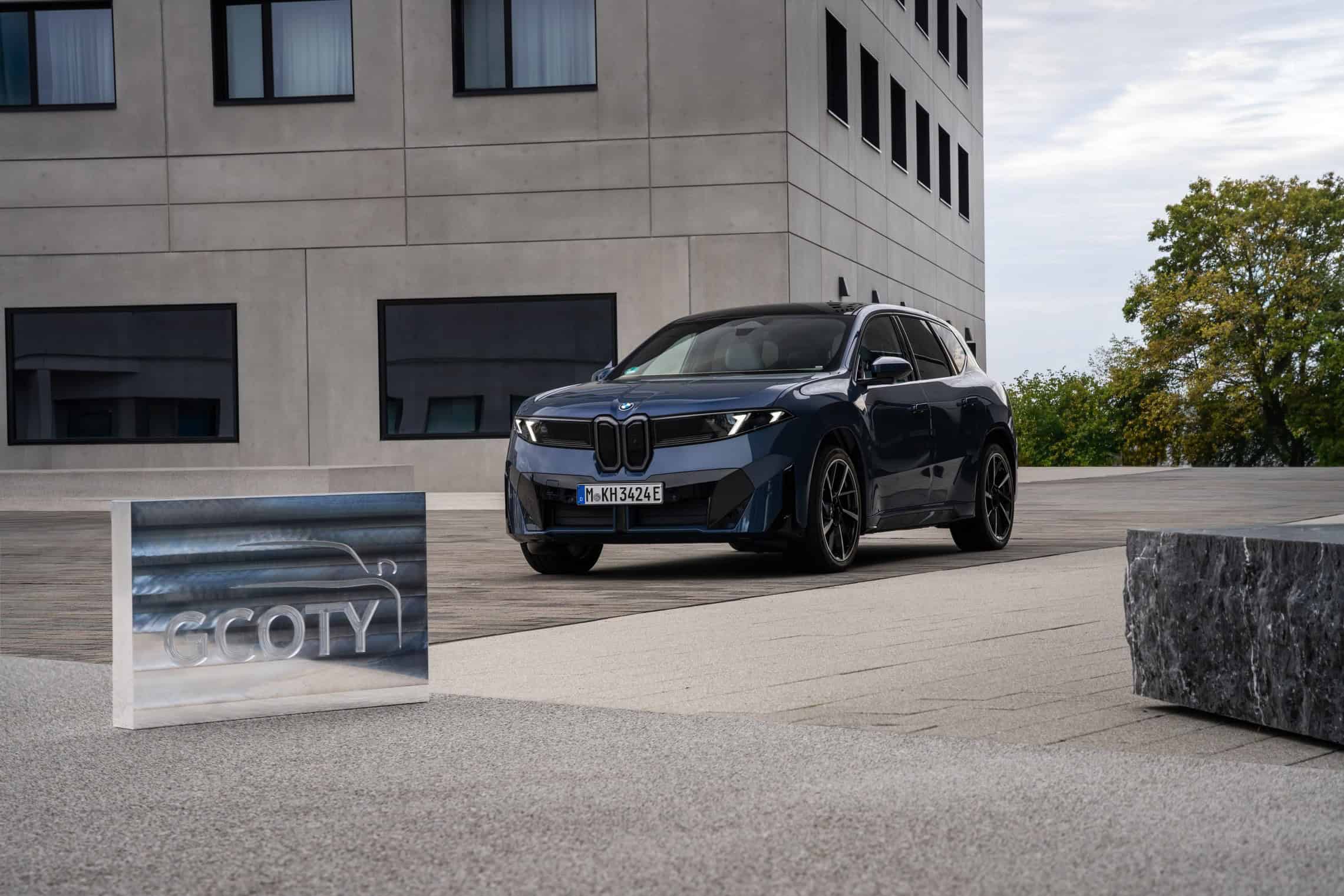
So do buyers. BMW has racked up 100,000 orders for the iX3 in its first year, and the Debrecen factory in Hungary added a third production shift to keep up with demand.
That cabin will soon spread across the lineup. The new 3 Series premieres next week with what should be the same interior as the i3. Later this year, the first-ever iX4 will arrive carrying the iX3’s dashboard architecture.
The other individual category winners read like a tour of the industry’s competing strategies. Renault’s retro Twingo took Best Exterior Design. The Porsche 911 Turbo S won Best Powertrain, a reminder that combustion engineering still commands respect in certain circles.
Geely’s E2 earned Best Value, marking another quiet incursion by Chinese automakers into European consciousness. Skoda’s seven-seat electric Peaq SUV was named Family Car of the Year.
Skoda’s presence extended beyond its vehicles. CEO Klaus Zellmer was named Automotive Person of the Year, though he won’t be around to enjoy it for long. On October 1, 2027, he moves to Volvo as the Swedish brand’s new President and CEO.
The five class winners will face each other during two days of comparative test drives before the jury picks an overall champion. The presence of the Xpeng X9 in the luxury category and the Kia PV5 in the compact class would have been unthinkable five years ago.
BMW’s absence from that final five, despite winning a major individual award and moving more than 100,000 units, raises a question the brand probably doesn’t want asked. Is a best-in-class interior enough when the car around it doesn’t lead its segment? The answer arrives November 2.

Share this Story