
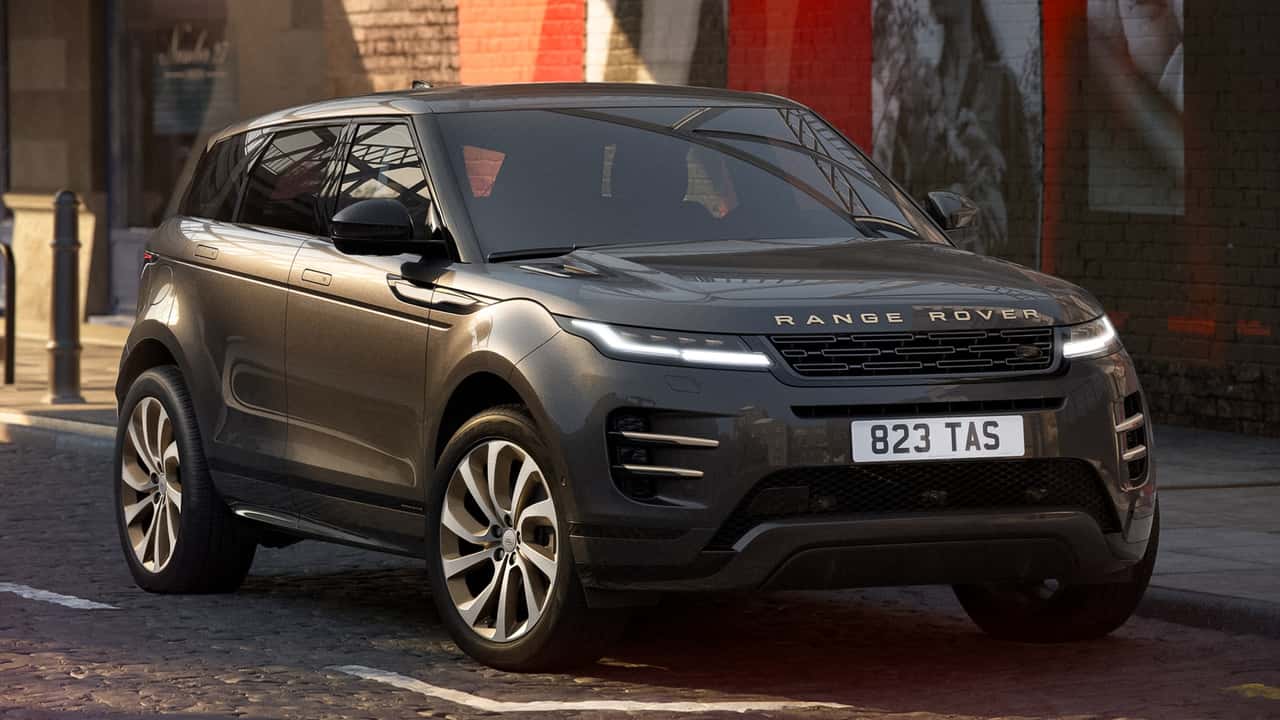


Fifty-two thousand dollars. That’s roughly what it costs to drive a Range Rover Evoque off a US dealer lot today. By the end of the decade, the cheapest way into the badge will cost more than double that.
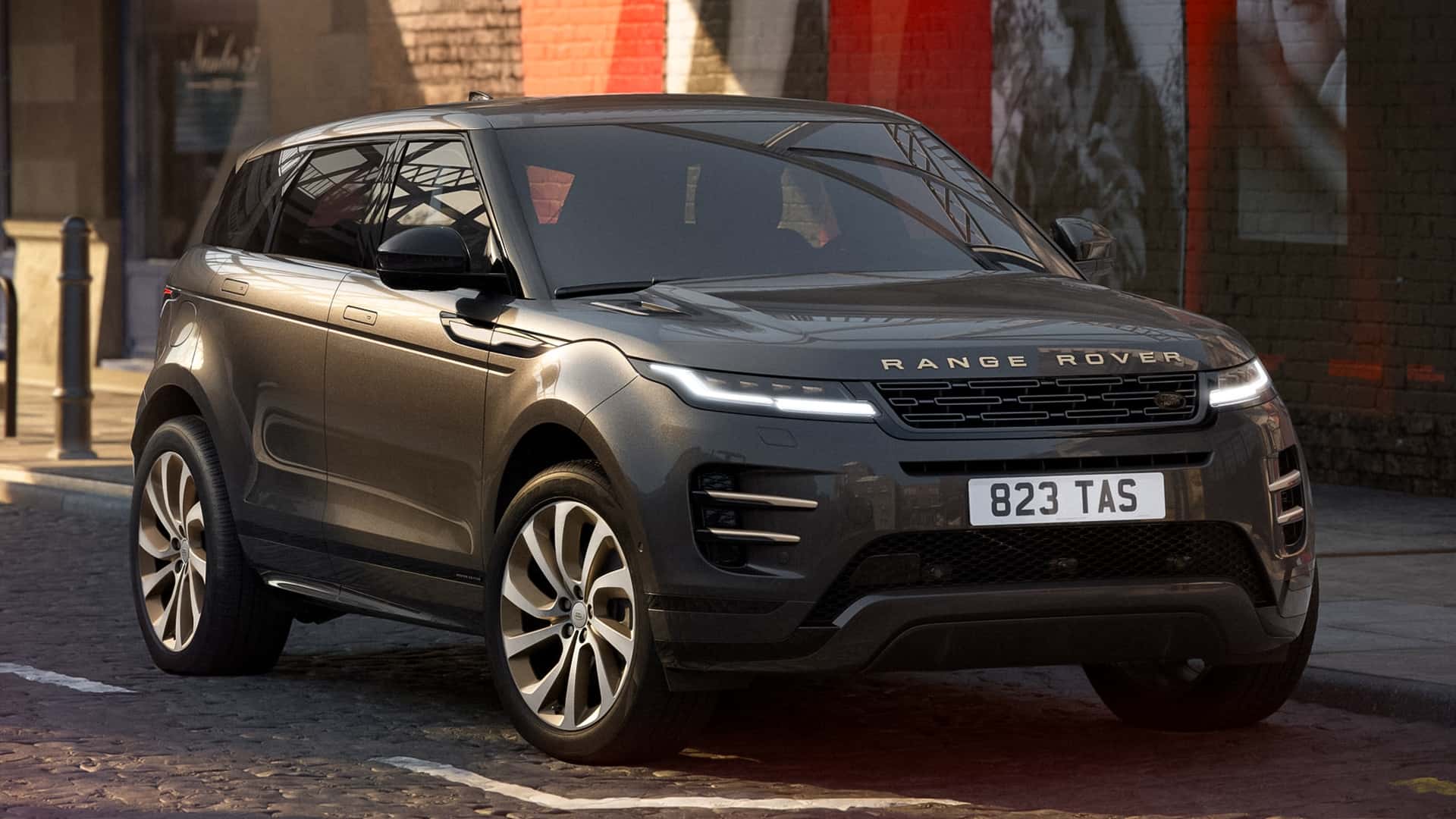
JLR has confirmed the Evoque and Velar will end production after 2027. Both stay on sale in selected markets through that year, and some stock may linger a little longer. Then they’re gone, with no direct replacement for either.
Range Rover managing director Martin Limpert blamed age. Both nameplates, he told Autocar, are nearing the end of their natural product cycles.
That explanation is tidy. It’s also incomplete.
Cars age out all the time, and automakers usually replace them, especially when those cars carry the volume. The Evoque and Velar have carried it for most of the past decade. They pulled in buyers who wanted the Range Rover name without paying flagship money.
JLR isn’t building a smaller Range Rover to take their place. That’s the real decision. The age of the vehicles is just the excuse.
Stepping into the entry slot is the Range Rover GT, with UK pricing widely reported around £90,000, or about $120,000 at current exchange rates. That isn’t a step up from the Evoque. It’s a different floor entirely.
The GT rides on JLR’s Electrified Modular Architecture and launches as a battery-electric model first, with conventional hybrids to follow. JLR hasn’t broken out pricing between the electric and hybrid versions. All we know is the range opens near that £90,000 mark.
It won’t look like the vehicles it displaces, either. Spy shots of test cars show something closer to a sleek coupe-crossover than the upright, boxy shape Range Rover buyers know. The sheet metal announces a different buyer before the window sticker does.
Strip out the two baby Range Rovers and the lineup shrinks to three: the GT, the Range Rover Sport, and the full-size Range Rover. That’s the smallest roster the brand has offered in years.
The Sport now has to be the traditional SUV of the family. An electric Sport is due to run alongside the GT, with global order books open and an international spec targeting roughly 370 miles of WLTP range. JLR hasn’t confirmed US pricing or EPA range figures.
For American shoppers trying to figure out where the new floor actually sits, that silence leaves a hole in the math.
The buyers being shown the door aren’t being abandoned outright. JLR has spent years splitting its house into separate brands, and smaller, cheaper models increasingly belong to Defender and Discovery. The customer who once walked in for an Evoque will be steered toward a different badge on the same lot.
This is the clearest move yet in a strategy JLR has been signaling for some time. Range Rover is being pushed upmarket toward wealthier buyers. The company seems content to sell fewer vehicles at higher prices to get there.
Nobody at JLR has said how many Evoque and Velar owners will climb a $68,000 staircase to stay with the brand. The first GT deliveries will start answering that question.
Share this Story