
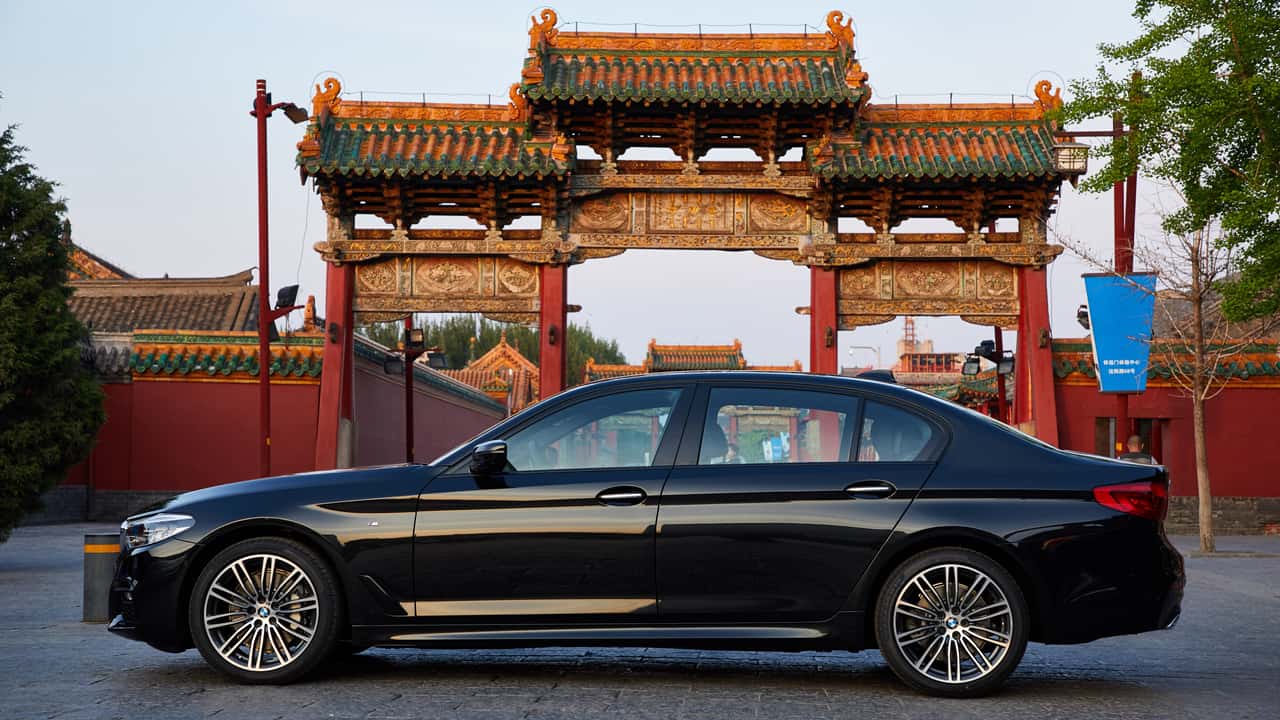


BMW Brilliance Automotive began cutting roughly 1,800 jobs at its Shenyang operations on November 2. BMW has not said a word about it.
That’s about 10 percent of the joint venture’s headcount. Most of those leaving are frontline production workers, the people who actually build the cars, with some administrative staff swept up alongside them.
The silence is the first tell. BMW Brilliance has issued no official statement, so the scale and scope of the cuts remain reported but unconfirmed by the company itself.
It fits a pattern. BMW let a reported voluntary exit program go unconfirmed for weeks after it surfaced, and Jaguar Land Rover held back details of its own buyout offer until pressed.
Bad news now arrives through local reporting. The global press release is saved for product launches.
The numbers explain why Shenyang is bleeding. BMW’s worldwide third-quarter deliveries fell 6.3 percent year over year to 551,075 vehicles, while in China the drop was closer to 25 percent.
Combined BMW and Mini deliveries in China over the first nine months came to 376,128 vehicles. That’s down 21.8 percent from the same stretch a year earlier.
German luxury brands once treated China as a guaranteed cash machine. It made up 29.2 percent of BMW’s global sales in 2023. By 2025, that share had slipped to 25.4 percent as domestic brands grabbed more of the country’s EV and hybrid buyers.
Munich has been rewriting its expectations on the fly. BMW Group cut its Automotive segment profit outlook twice this year.
The original target was a 4 to 6 percent EBIT margin. In June, that became 1 to 3 percent, and in November it fell again, to somewhere between negative 0.5 and positive 0.5 percent.
BMW blamed the latest cut on portfolio and structural measures, including retiring older vehicle and technology generations as the Neue Klasse ramps up. It says the automotive margin before those one-time costs should stay above 2.0 percent. It also now expects deliveries to fall moderately.
The company hasn’t said whether the Shenyang layoffs are part of those structural measures. It hasn’t said much of anything.
This round didn’t come out of nowhere. BMW reportedly slowed hiring and let contracts lapse at the joint venture for three years before the cuts began, thinning the workforce long before anyone got a severance letter.
That severance reportedly follows an N+5 formula. Workers get one month of pre-tax salary per year of service, plus five extra months at base pay, bonuses excluded.
It beats China’s standard N baseline. It still falls short of what some workers expected from a company with BMW’s German pedigree.
BMW has run BMW Brilliance since raising its stake in 2022, ending nearly two decades of shared control with Brilliance Group that began in 2003. These are BMW’s calls now, at a plant BMW majority-owns.
Germany isn’t being spared either. BMW has 8,000 job reductions planned at home, plus a separate round of management cuts tied to a broader strategy shift. Neither has been formally linked to Shenyang.
The rest of the German industry is running the same play. Volkswagen circulated an internal memo discussing up to 100,000 job cuts globally, and Porsche has reportedly weighed cutting around 5,000 jobs as margins tighten.
In Shenyang, the cuts are already happening. Any explanation from Munich will probably show up in the next set of financial disclosures.

Share this Story