
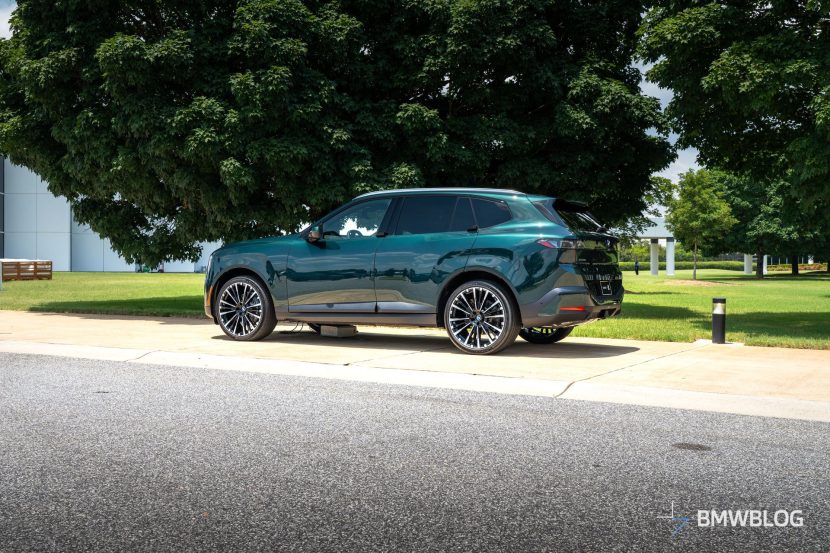


BMW pulled out of the 2026 Paris Motor Show in July, citing a “shift in priorities.” Now, less than two months later, the company is bringing its freshly redesigned X5 to the Turin Motor Show, a three-day street event with free admission. The contrast says everything about where the auto show hierarchy stands in 2026.
The fifth-generation X5, internally coded G65, will make its Italian public debut on September 11 alongside the Neue Klasse i3 and iX3. BMW Italy will hold a press conference at its stand on opening day. The show runs through September 13 in central Turin.
Paris, one of the oldest and most prestigious auto shows on the planet, got ghosted. Turin, now only in its third edition, got the nod. BMW’s French division had committed to Paris back in January, then reversed course without much explanation.
The implication is hard to miss: a compact, low-cost regional event now delivers more value than a global stage that once commanded the industry’s full attention.
The G65 itself never saw a traditional show unveiling. BMW chose to reveal the SUV in late June at its Spartanburg, South Carolina factory, right beside the assembly line where every X5 rolls off. Journalists flew in, saw the car where it was born, and the story was out globally within minutes.
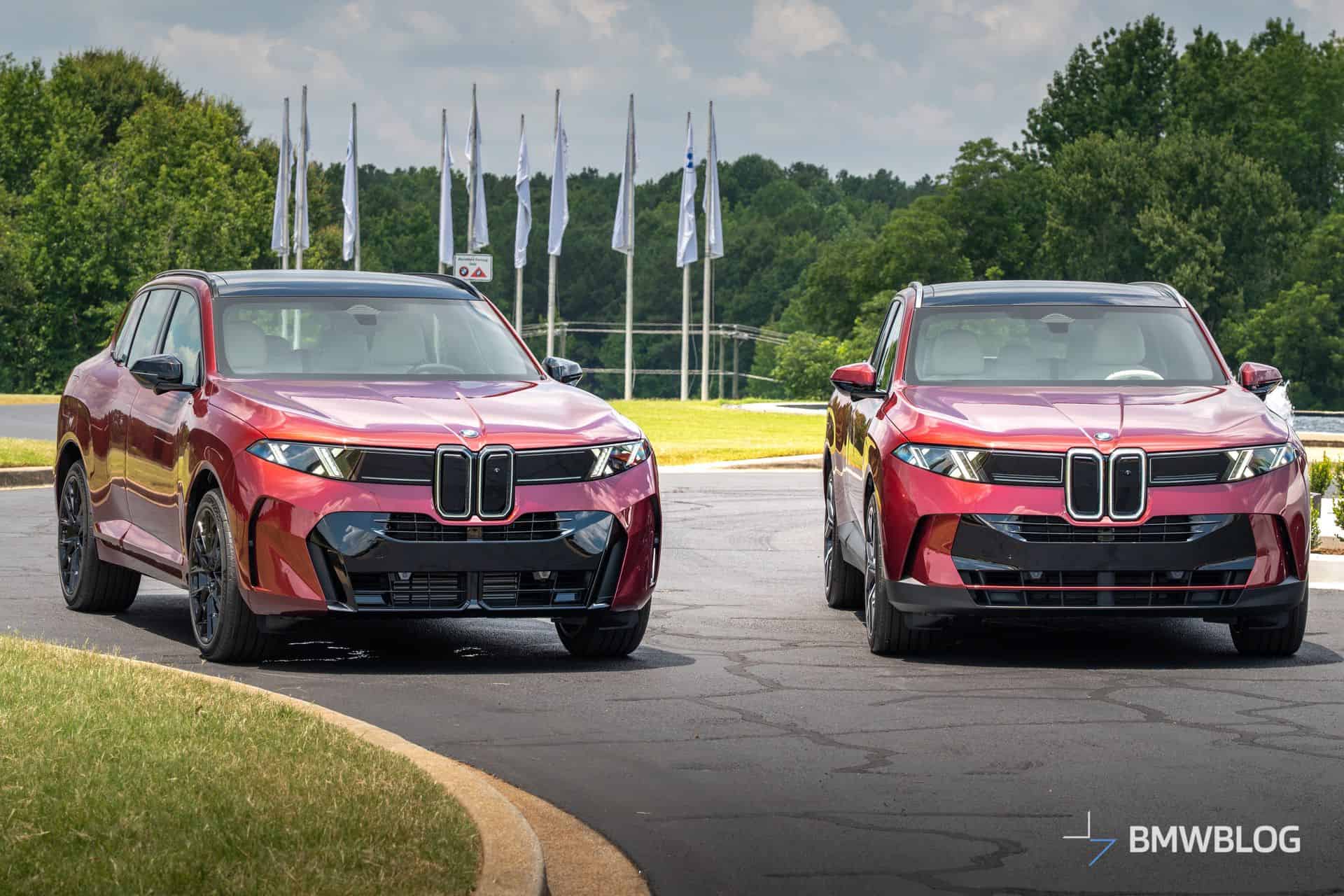
No convention center required, no million-dollar booth, no two-week logistics operation. That factory debut model is becoming the norm. Automakers can now drop a car online with hundreds of photos, a full video library, and spec sheets that reach millions of eyeballs before a show floor even opens.
The math on traditional exhibitions, with their massive stands, transportation costs, hospitality budgets, and personnel, is getting harder to justify when a well-produced digital launch can do the same work for a fraction of the price.
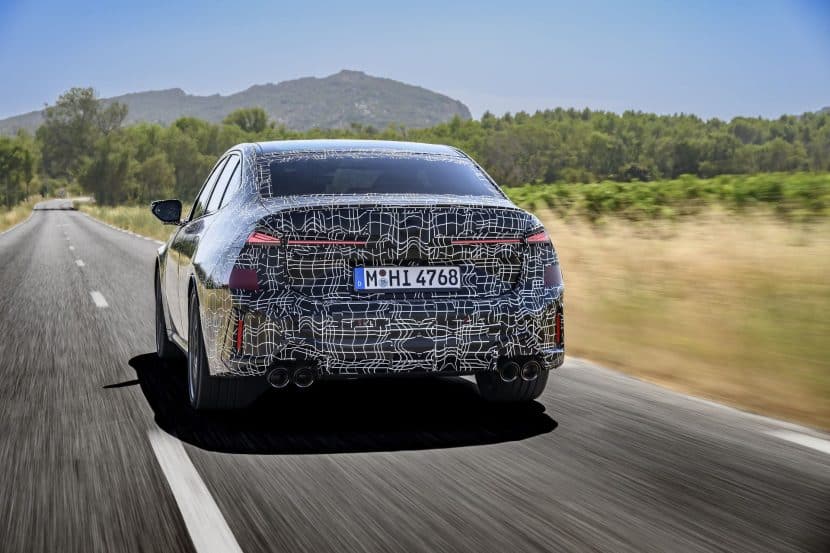
But BMW’s Turin appearance complicates the “auto shows are dead” narrative. There is still value in putting metal in front of people. The X5 is a large, physically imposing vehicle.
Its proportions, its interior detailing, the way light hits its surfacing: none of that translates perfectly through a screen. Italians will get to walk around it, sit inside it, and compare it against the electric models flanking it on the stand.
BMW hasn’t disclosed which X5 variant will be on display. The lineup spans gasoline, diesel, plug-in hybrid, and a fully electric version, with a hydrogen fuel cell model still in the pipeline for later this decade. The choice of showcar will itself be a statement about which powertrain BMW thinks Italian buyers care about most.
What Turin offers that Paris apparently could not is efficiency. A smaller footprint, a focused regional audience, and a lower price tag for participation. BMW can still generate press coverage and put the car in front of real customers without the overhead of a massive international production.
The company’s French division is left explaining why its home market show wasn’t worth the investment. BMW’s Italian arm, meanwhile, gets a premiere. The calculus now favors events that are lean, targeted, and cheap over ones that are grand, global, and expensive.
Whether that calculus holds as more automakers adopt the same logic, shrinking the big shows further, is a question nobody at BMW seems eager to answer yet.
Share this Story