
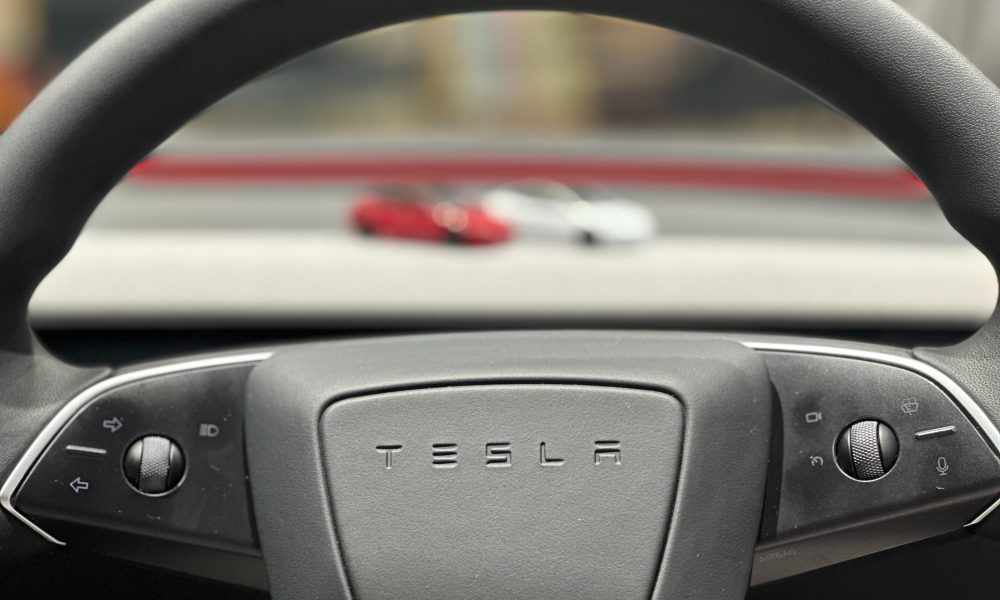


Tesla has begun silencing the turn signal chimes inside its Robotaxi fleet, removing the familiar click-click that has accompanied every lane change and turn for as long as cars have had blinkers. The company frames it as a smoother, more peaceful ride experience for passengers. No driver, no need for driver feedback.
The logic is clean on paper. In a fully autonomous vehicle, the clicking sound exists to confirm to a driver that the signal is active. There is no driver, so Tesla killed the noise.
But the timing of this polish-the-edges move lands awkwardly against what is happening inside Tesla’s own supervised self-driving software. Version 14.3.6 of Full Self-Driving, released last week for customer vehicles, is drawing criticism for jerky steering, indecisive lane selection, and a maddening habit of overriding manual turn signal inputs from the human behind the wheel.
One tester reported activating a left turn signal three separate times, only to have FSD cancel it each time, insisting on staying in a lane that was about to end. The car chose a zipper merge the driver did not want. The driver disengaged and drove home manually.
So Tesla is removing turn signal sounds from its autonomous fleet because passengers don’t need them, while its supervised driving software is actively fighting drivers who use turn signals to correct it. One product assumes the human is irrelevant. The other won’t let the human be relevant.
The Robotaxi change has split opinion among early riders. Turn signals are deeply wired into how people experience car travel. Even as a passenger, the absence of that rhythmic ticking can feel unsettling, like something is missing or broken.
Tesla is betting that riders will adjust quickly, that silence will feel premium rather than alarming. Customer cars remain unaffected. If you run FSD in your personal Tesla, the clicks stay.
This is a Robotaxi-only decision, one more step in Tesla’s effort to separate the ride-hailing experience from the ownership experience. The FSD v14.3.6 regression adds context. Turning accuracy has declined noticeably on multi-lane roads.
The steering wheel jerks back and forth before the system commits to a lane, behavior that echoes problems from older v13 builds. Highway performance remains solid, but local road driving has taken a step backward.
There are bright spots. Bird braking, the sudden stops triggered by birds crossing the car’s path, appears to be fixed. The system also seems to be learning driver preferences earlier than expected.
One tester found FSD pulling into a less congested convenience store entrance that the driver always preferred, and consistently parking in an assigned spot at home. These are signs that personalization is creeping into the software ahead of the promised Summer Update.
But personalization and reliability are not the same thing. A car that remembers your parking spot but ignores your turn signal three times in a row has its priorities scrambled.
Tesla has always operated on a pattern where regressions get fixed in the next release. Fans expect v14.3.7 to clean up the mess. That expectation is built on years of watching Tesla iterate rapidly, each version correcting the sins of the one before.
The Robotaxi blinker muting will likely fade as a controversy. People will get used to the quiet. The deeper tension is harder to resolve.
Tesla is simultaneously telling Robotaxi passengers they can trust the car completely while its supervised driving customers are learning, version by version, that trust still needs a hand on the wheel and a finger on the turn signal stalk. Whether those two realities converge or continue to diverge will say more about Tesla’s autonomous future than any chime ever could.
Share this Story