
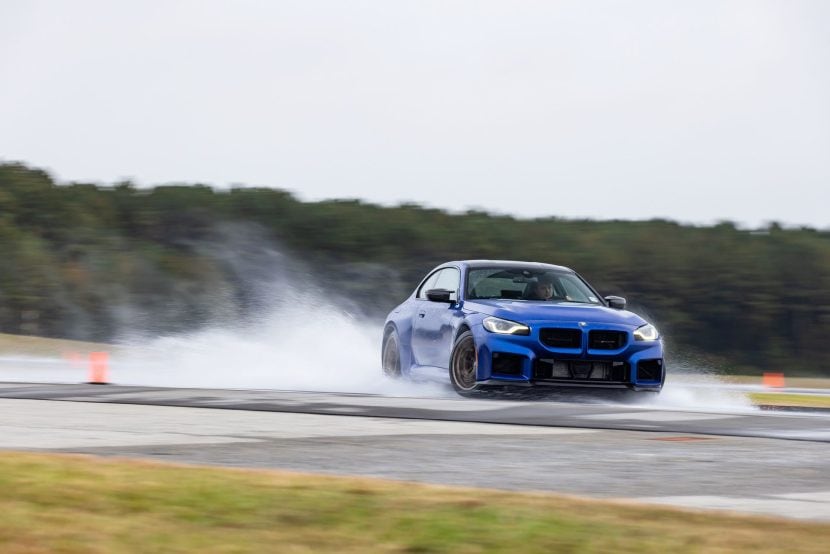


BMW filed a patent in Germany for a system that briefly lifts weight off the rear axle to help break traction mid-corner. No handbrake yank, no clutch kick, no Scandinavian flick. The car’s own suspension does the dirty work.
The filing, discovered at the German Patent and Trade Mark Office, describes sensors detecting when a driver is attempting to initiate a slide. The system then commands the adaptive dampers or active roll stabilization to shove the rear unsprung mass upward in a quick, controlled hop. Rear tire load drops for a fraction of a second, and the torque needed to unstick the back end drops with it.
This is not a software trick layered on top of the drivetrain. Every drift-assist feature BMW M currently sells, from adjustable traction slip percentages to the drift analyzer that scores your angle and duration after the fact, works through torque management. This patent attacks grip from the opposite direction: the chassis.
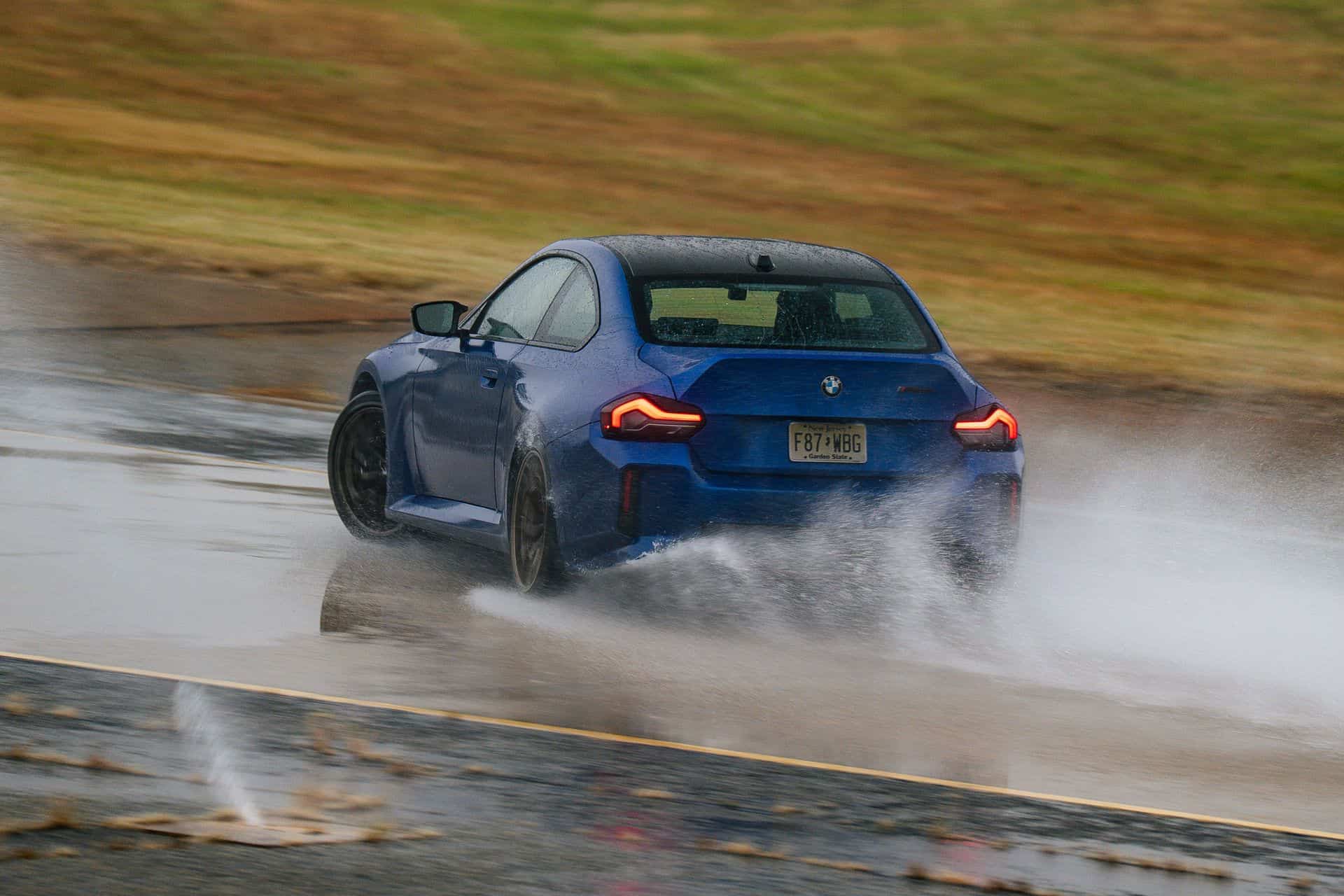
The system doesn’t just light the fuse and walk away. According to CarBuzz, which first reported on the filing, the patent describes trajectory and speed monitoring once the slide begins. It may also log steering angle data to gate activation, meaning the car could refuse to trigger the hop if conditions or driver inputs fall outside approved parameters.
So BMW isn’t handing every M car owner a license to get loose on public roads. It’s building a system that decides whether you’re in a situation where drifting is appropriate, then reduces the skill required to do it. That’s a very specific kind of generosity.
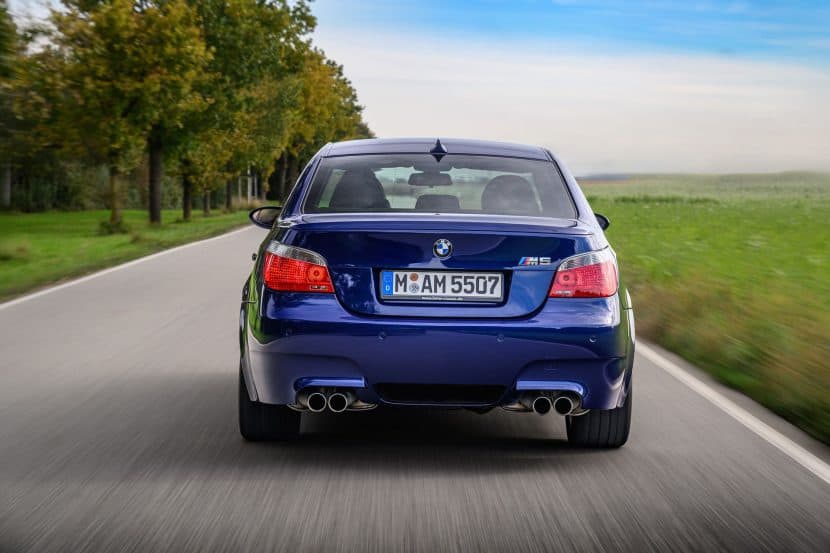
BMW M has been steadily inserting itself between the driver and the limit of grip for years. The M5 lets you dial rear slip to a percentage point. The M3 records your drift data like a flight recorder. Each generation adds another layer of software supervision.
A suspension-based drift assist fits that trajectory perfectly, removing one more variable the driver used to own. Using suspension dynamics rather than powertrain intervention means the system could work regardless of drivetrain layout, though BMW’s M cars are the obvious first application given their existing active suspension hardware. It also means the drift initiation happens through a physics input, reduced normal force on the rear contact patches, rather than a software-mediated torque spike that can feel artificial.
Whether any of this ever reaches a production car is another question entirely. Automakers file patents constantly as defensive measures or exploratory engineering exercises. BMW has no announced plans to bring axle-hop drift assist to market.
But the direction is unmistakable. BMW M started by building cars that rewarded skilled drivers. Then it started measuring how skilled those drivers actually were. Now it’s filing patents to lower the bar.
The M car’s relationship with its driver has always been a conversation. Lately, BMW keeps interrupting.

Share this Story