


Three years and a consortium of 14 partners. That’s what it took for BMW to produce a seat shell made of wood, a cockpit built from wood and cork, and a door panel that doubles as a structural load bearer. The FSCM project just wrapped, and the results land somewhere between laboratory curiosity and production-ready blueprint.
The project asked a deceptively simple question: how much of a car can be built from recycled or renewable material without compromising the crash safety, durability, and fit-and-finish standards BMW stakes its reputation on? The answer depends heavily on which part of the car you’re talking about.
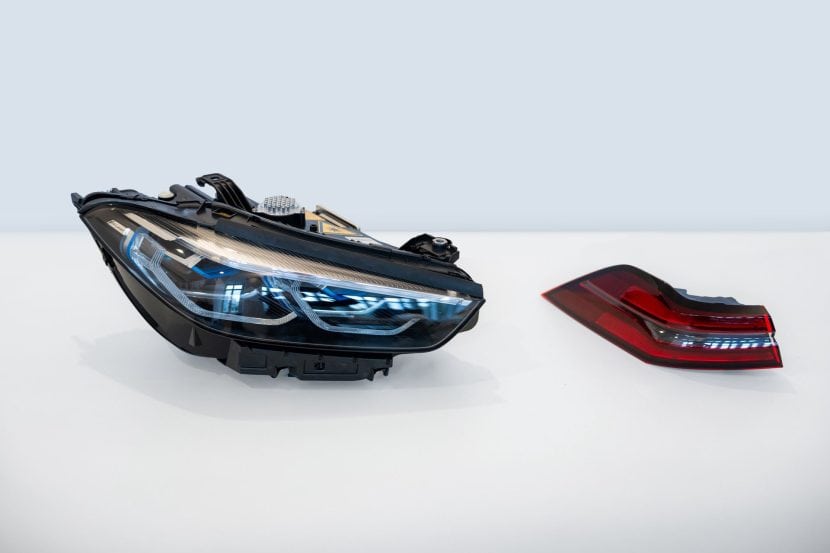
Start with plastics. Instrument panel carriers and tail light housings reached higher recycled content and passed testing against current production-spec parts. Good news.
But the team also ran into a hard ceiling. Components that carry electrical current or transmit light still don’t perform at virgin-material levels when made from recyclate. BMW didn’t spin that as a temporary hurdle. They called it a real limit, at least for now.
Metals told a tighter story. Steel and aluminum are the skeleton of crash protection, so the room to experiment is narrower. The team attacked from two directions: using less material through smarter component design, and raising recycled content in what remains.
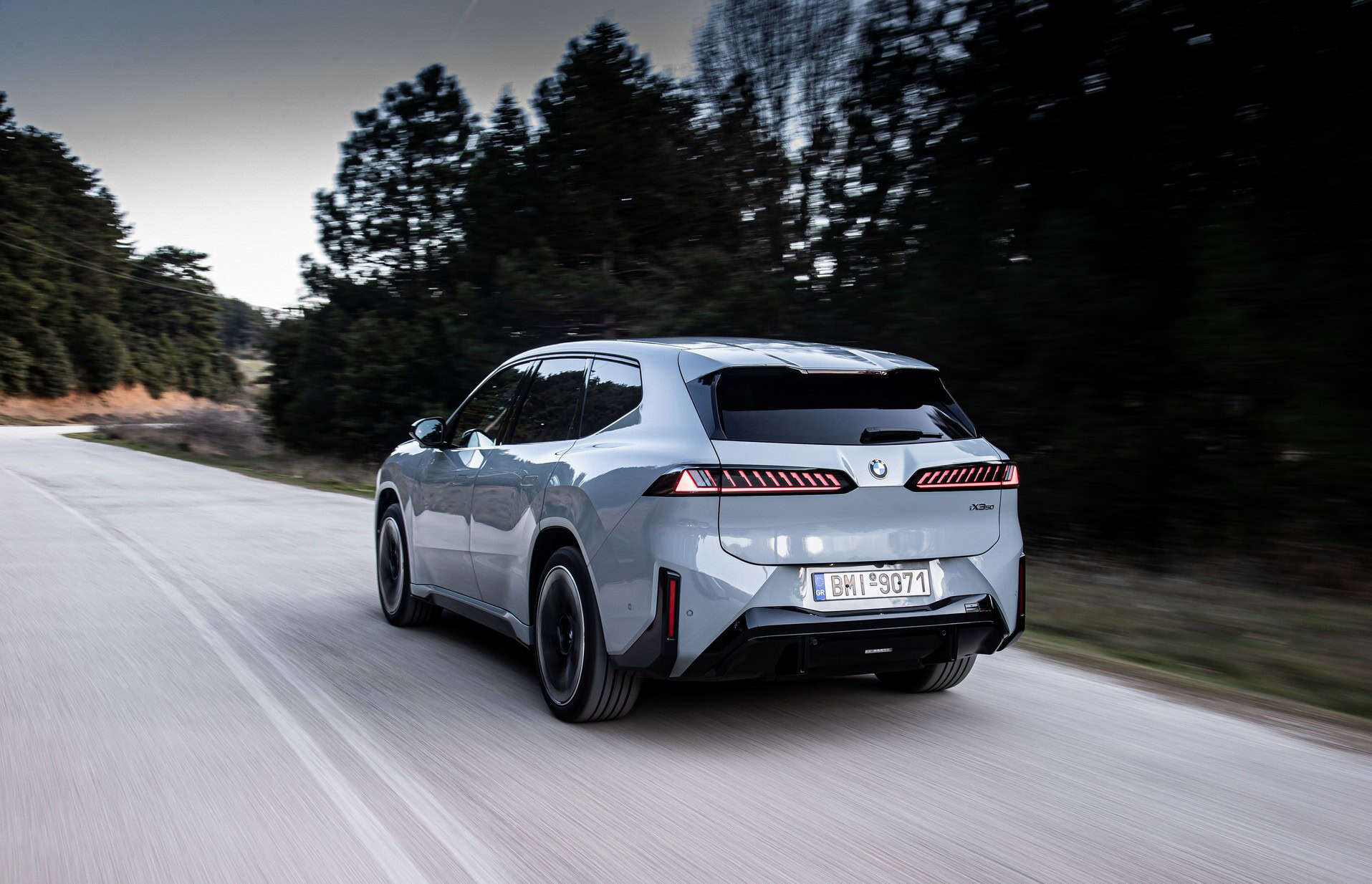
Demonstrators for safety-relevant body structures held up in crash simulations without giving anything back on structural integrity. The new iX3 50 already reflects this thinking. Roughly a third of that vehicle is secondary material, and its wheel carriers and steering knuckles hit 80 percent recycled content.
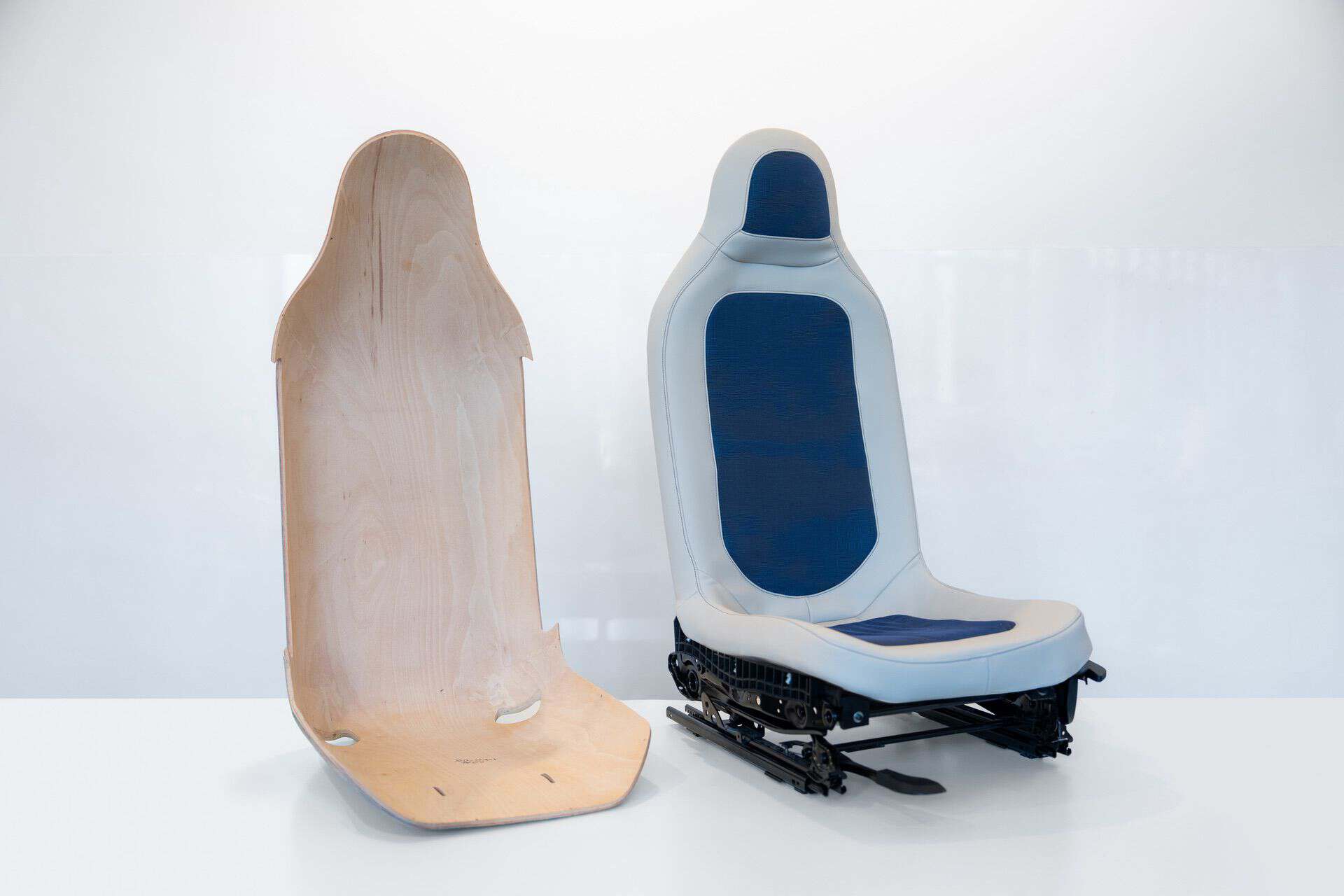
The wooden seat shell grabbed attention, and it should. Replacing the plastic structure that typically shapes a seat with a wood shell isn’t a styling exercise. BMW says the concept met occupant-protection requirements through strong energy absorption.
Just as critically, the components were designed to separate cleanly at end of life for recycling. That second part is the difference between a sustainability talking point and an actual circular-economy component.
The wood-and-cork cockpit and load-bearing door panel followed the same logic. Build circularity into the part from the first sketch, not as a retrofit. BMW pointed out that the design principles aren’t car-specific; any industry wrestling with resource efficiency and recyclability faces the same engineering puzzle.
Perhaps the least glamorous piece of FSCM will prove the most consequential. The team built a digital platform that pools material properties, test results, and sustainability data in one place. Without it, every new recycled material requires its own validation from scratch.
With it, BMW can make material decisions earlier in development, on better data, and push sustainable options into series production faster. That’s plumbing, not a press photo. But plumbing is what scales.
The consortium itself tells you something about the complexity. Evonik, thyssenkrupp Steel Europe, Constellium, Toray Industries Europe, the DRÄXLMAIER Group, three chairs at the Technical University of Munich, and two Fraunhofer Institutes all contributed. Spanning plastics, steel, aluminum, and advanced composites research under one umbrella is roughly the minimum critical mass needed to move any of these concepts toward a bill of materials a plant manager would sign off on.
BMW has a history of rolling out sustainability demonstrators that live and die in concept-car purgatory. The 2021 Vision Circular was a thought experiment, beautiful and abstract. FSCM is different in texture.
The iX3 already carries its DNA. The question now is whether the wooden seat shell stays in a Munich lab or finds its way onto a production line, and how many development cycles that journey takes.
The consortium partners have gone back to their own operations. The digital platform is live. The data is pooling. What happens next depends on whether the business case catches up with the engineering.

Share this Story