


Air suspensions are engineering marvels right up until the moment they aren’t. That’s the uncomfortable truth lurking behind every luxury sedan brochure and every off-road SUV commercial showing a vehicle gliding over moonscape terrain like it’s floating on a cloud. The cloud eventually deflates, and when it does, the repair bill lands with a thud.
Jalopnik posed a deceptively simple question this week: what problem car part do you wish were indestructible? The answers flooding in from enthusiasts and daily drivers alike reveal something the auto industry would rather not discuss — the gap between the engineered lifespan of critical components and the expectations of the people paying for them.
Air suspension sits right at the top of the frustration list, and for good reason. Anyone who has owned an older Mercedes-Benz S-Class knows the Airmatic system intimately, often in the worst way. The car sags to one corner like a tired dog.
The compressor burns out. The airbags crack and leak. A system designed to deliver the smoothest ride money can buy becomes a handling liability that makes the car genuinely dangerous to drive.
The cruel irony is that air suspension works best on the vehicles that need it most. Off-roaders benefit from the ability to level the platform and gain clearance over rough terrain. Luxury sedans use it to iron out every imperfection in the road surface.
When the system is healthy, you wonder why every car doesn’t have it. When it fails, you wonder why anyone thought rubber bladders and electric compressors were a reasonable substitute for steel springs.
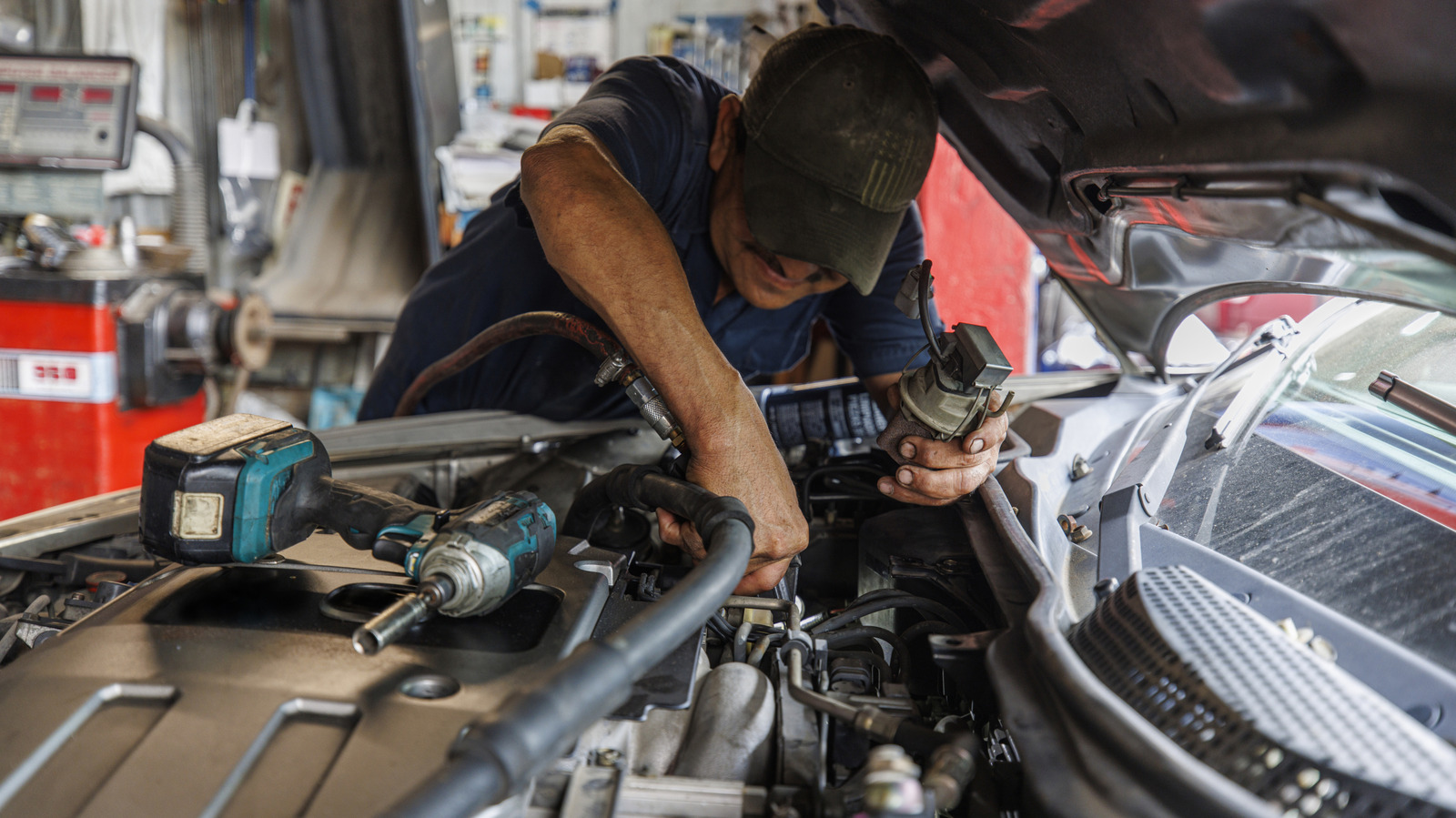
But the question extends far beyond suspension. Gaskets, clutches, electrical systems — the components that wear out fastest are often the ones buried deepest in the architecture, requiring the most labor hours to reach. An oil leak from a failing gasket isn’t just an annoyance.
It’s a ticking clock attached to your engine, dripping money onto your garage floor one spot at a time.
Clutches are another sore point, particularly for the shrinking tribe of manual transmission drivers who already feel like an endangered species. A clutch is a consumable part by design, but the replacement cost on modern performance cars can run into the thousands. The mechanical simplicity that once made manuals the budget-friendly choice has been engineered out of existence by dual-mass flywheels and hydraulic systems that add complexity without adding durability.
Electrical gremlins deserve their own category of automotive misery. Modern cars run more software than the Apollo spacecraft, and wiring harnesses have become so complex that a single corroded connector can cascade into a dashboard Christmas tree of warning lights. German and British luxury brands have earned their reputations here, fairly or not.
The auto industry has gotten remarkably good at building powertrains that last 200,000 miles. But the ancillary systems — the suspension bits, the seals, the sensors, the wiring — still operate on a much shorter clock. Owners aren’t asking for perpetual motion machines.
They’re asking to visit the mechanic less often than they visit the dentist. That’s not an unreasonable standard.
Yet for millions of car owners nursing a sagging S-Class or chasing an intermittent electrical fault through yards of wiring, it remains aspirational. The dream car stays a dream only as long as the parts hold together. After that, it’s just a project.




Share this Story