
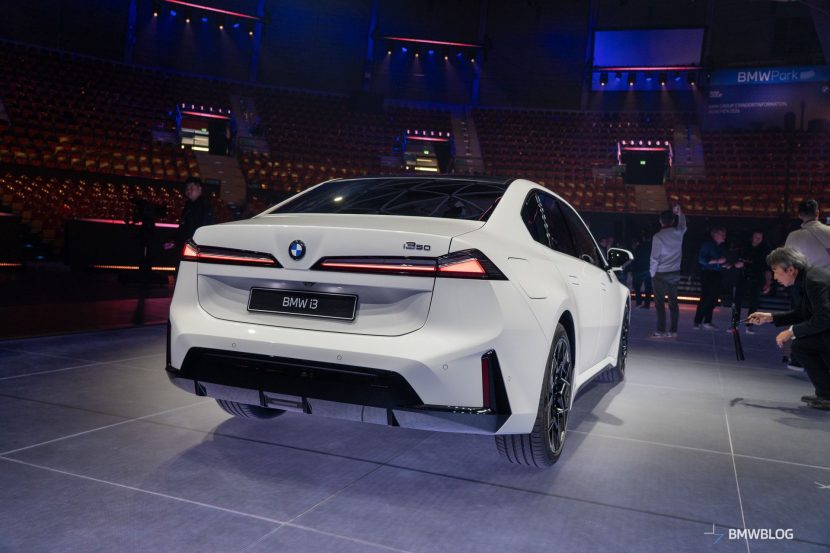


BMW moved up European pre-sales of the new i3 sedan months ahead of schedule. Demand, the company says, forced its hand. That’s a convenient narrative for a car that just threw five decades of design continuity into a blender.
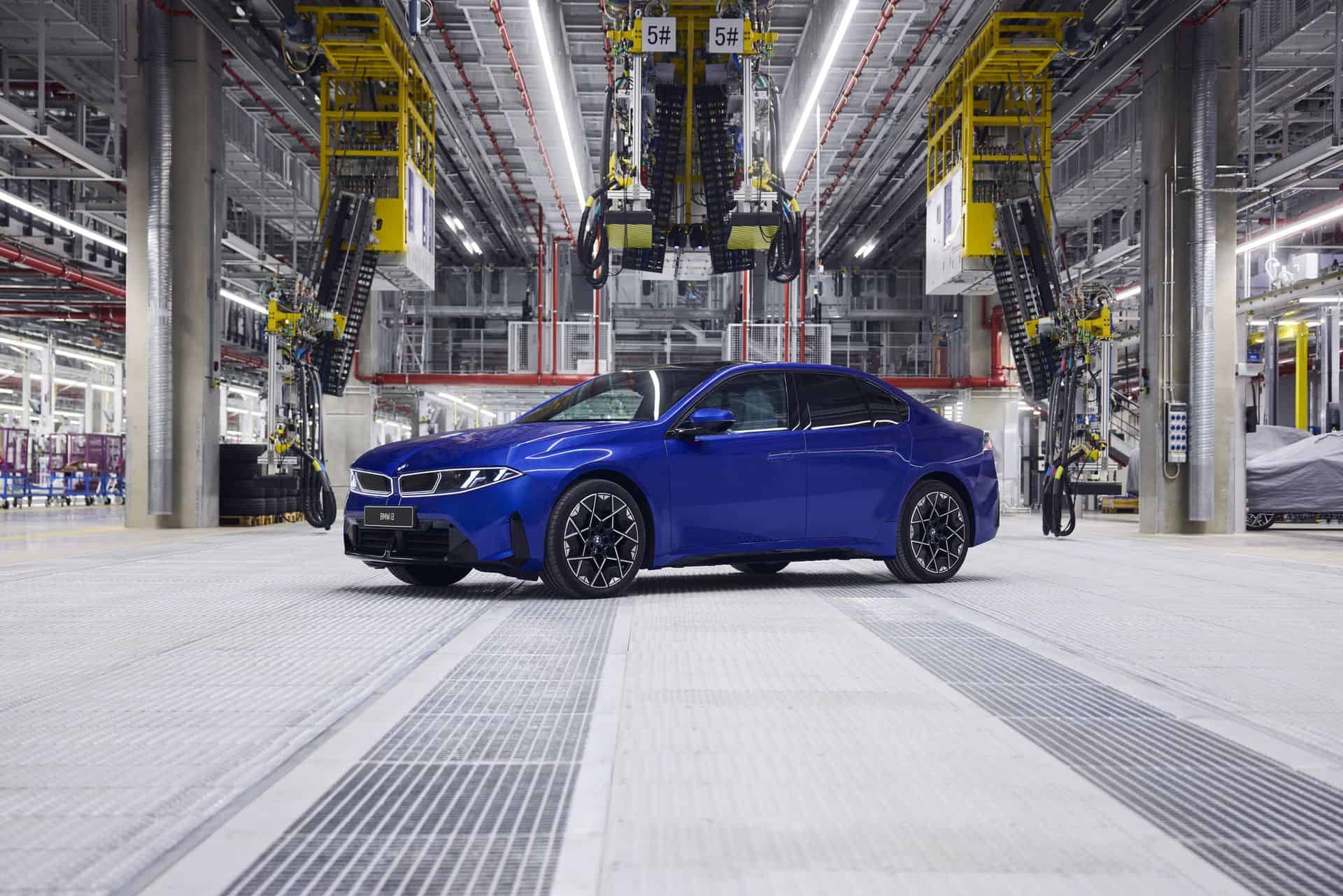
The NA0 i3, BMW’s electric 3 Series successor, looks nothing like the G20 it replaces. The kidney grilles survive in spirit. The Hofmeister kink lives on. But park the two cars side by side and you’d be forgiven for thinking they came from different manufacturers.
Chrome is gone. Creases are gone. The iDrive rotary knob, a fixture since 2001, is gone. BMW didn’t just turn the page. It started a new book.
That’s the point, of course. The Neue Klasse design language exists to signal a break from the past, and on that front, mission accomplished. The problem is that BMW chose to debut this radical reset on its single most important nameplate.
The 3 Series has sold more than 20 million units since 1975. It is the backbone of the brand. From the E21 through the E30, E36, E46, E90, F30, and G20, each generation nudged the design forward without severing the visual thread connecting it to its predecessor.
Buyers knew what they were getting. That predictability was a feature, not a bug.
Now BMW is betting that predictability had become a liability. The company spent much of the last decade courting controversy with oversized grilles and increasingly busy bodywork. The Neue Klasse swings hard in the opposite direction: minimalist surfaces, prominent lighting, and a silhouette that looks like it leapfrogged a generation or two into the late 2030s.
The combustion-engine G50, due to follow the i3, will wear the same skin despite riding on the older CLAR platform rather than the i3’s dedicated EV architecture. Spy shots of camouflaged prototypes confirm the two cars share the same stripped-back philosophy. A longer front section to accommodate inline-six engines, including the next M3’s, will alter proportions slightly, but the visual DNA is identical.
Inside, the departure is just as stark. Screens dominate. Physical controls have been cut to a minimum.
BMW insists customers don’t miss the rotary controller. That’s a bold claim from a company whose interface was once the gold standard precisely because it kept drivers’ eyes on the road.
The early demand signals look encouraging. A First Edition launched ahead of schedule in Europe suggests curiosity, at minimum. But curiosity and sustained sales volume are different things.
The 3 Series competes in one of the most brutally contested segments in the industry, against the Mercedes C-Class, Audi A4, and a growing roster of Chinese EVs that can undercut Munich on price. BMW arguably had no choice. Incremental evolution was running out of runway.
The controversial styling experiments of recent years proved that standing still wasn’t an option either. A clean break offers clarity, even if it comes with risk.
The question isn’t whether the new design is better or worse. It’s whether the millions of existing 3 Series owners, the people who define BMW’s core customer base, will see this car as their next BMW or as something unfamiliar. Brand equity built over 50 years can survive a lot, but it doesn’t survive indifference.
Pre-orders are open. The real test comes when showroom traffic meets monthly sales reports, and those numbers are still months away.

Share this Story