
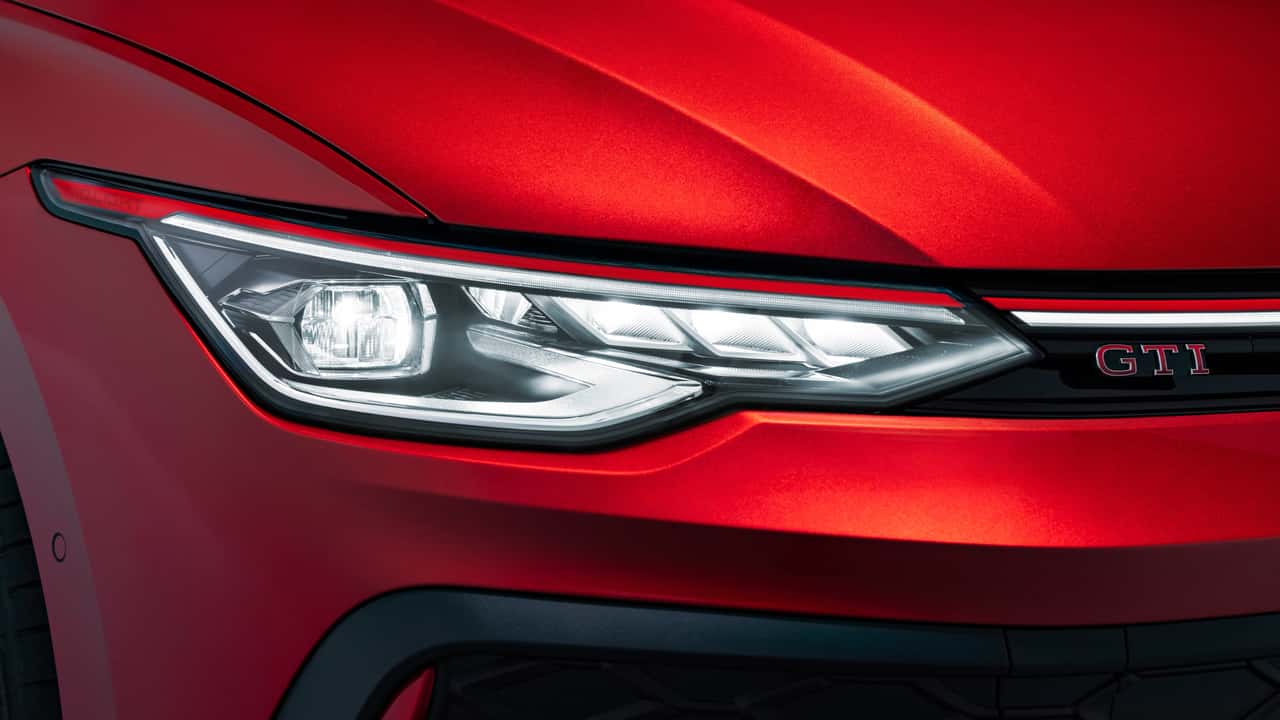


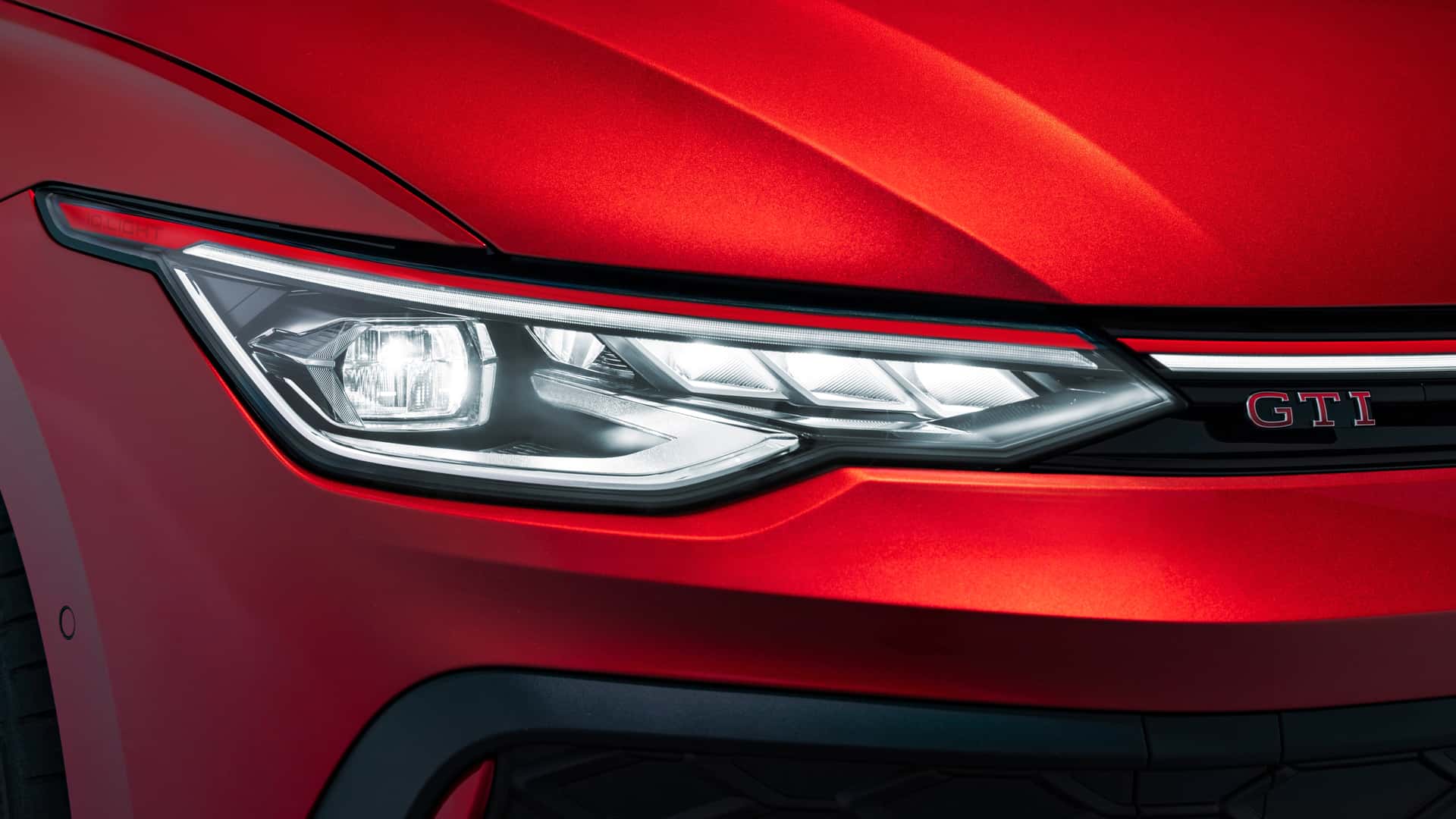
Volkswagen has sold GTI versions of the Lupo, Polo, Up, Gol, Parati, and Pointer across Europe and Latin America. Americans have never seen any of them. The Golf remains the lone GTI carrier stateside, and according to the man in charge of deciding what VW sells here, that’s entirely deliberate.
Serban Boldea, Director of Product Planning at Volkswagen of America, told Motor1 that the GTI and R badges carry obligations most vehicles simply can’t meet. “If we bring a vehicle to market with this badge and we’re going to stand behind it, then it’s gotta be the real thing,” Boldea said. “When R is put on a vehicle, it can’t just be some plastic and a sticker.”
That’s a pointed statement in an industry drowning in performance-branded trim levels that amount to body kits and bigger wheels. Every mainstream automaker has a “sport” package that wouldn’t fool a driving instructor. Boldea’s position is that VW would rather leave money on the table than cheapen the letters.
He pointed to the 2018 Passat GT as a cautionary tale from VW’s own history. That one-year-only variant packed a 280-horsepower VR6, a dual-clutch gearbox, and sportier suspension. “It’s a hell of a cool car, but it wasn’t the honest complete package of a GTI,” Boldea admitted.
The word he kept circling back to was “insincere.” A GTI, he said, demands a specific seat, red accents, real drivability changes — the whole ecosystem, not just the visual trappings. We will only bring a car to market named GTI if we all internally feel that you will drive it and say ‘yep, that’s a GTI.’
Europe just got the ID. Polo GTI, Volkswagen’s first electric vehicle to carry the badge. It won’t come to the US, partly because the size and body style don’t fit the market, and partly because Boldea has reservations about the current state of EV performance gimmicks.
He was blunt about simulated gears, the kind Hyundai uses in the Ioniq 5 N. “Oftentimes, when I bring a competitor home, I get excited to show my wife or daughter. But I get an eye roll,” he said. The reality with these manually shifting EVs, they are cool during the test drive and your three close friends, but for your everyday commute, I couldn’t wait to get back to my ID. Buzz.”
That’s a senior product planner at a major automaker calling the Ioniq 5 N’s party trick a parlor game. He acknowledged a niche exists for simulated shifting in performance EVs — perhaps a future Golf R or GTI — but dismissed it as a mainstream feature. “The brilliance of the EV is no transmission at all,” he said.
Boldea wouldn’t discuss specific future products but promised VW is actively working on expanding its “fun to drive” lineup in the US. What that looks like — whether it means a hot version of the Tiguan, a spiritual successor to something, or an entirely new nameplate — remains unclear.
The tension inside Volkswagen is real and familiar. The company knows enthusiast badges sell. It also knows that diluting them is a one-way trip. Toyota learned this with TRD. Hyundai is testing it with N. Ford went through the ST cycle and pulled back.
VW’s answer, at least for now, is restraint. Whether that restraint holds as the lineup shifts toward electrification is the bigger question.
The ID. Polo GTI exists in Europe, which means VW’s own engineering teams have already decided an EV can earn three sacred letters. Boldea’s job is to decide whether American buyers will agree — or roll their eyes.
Share this Story