
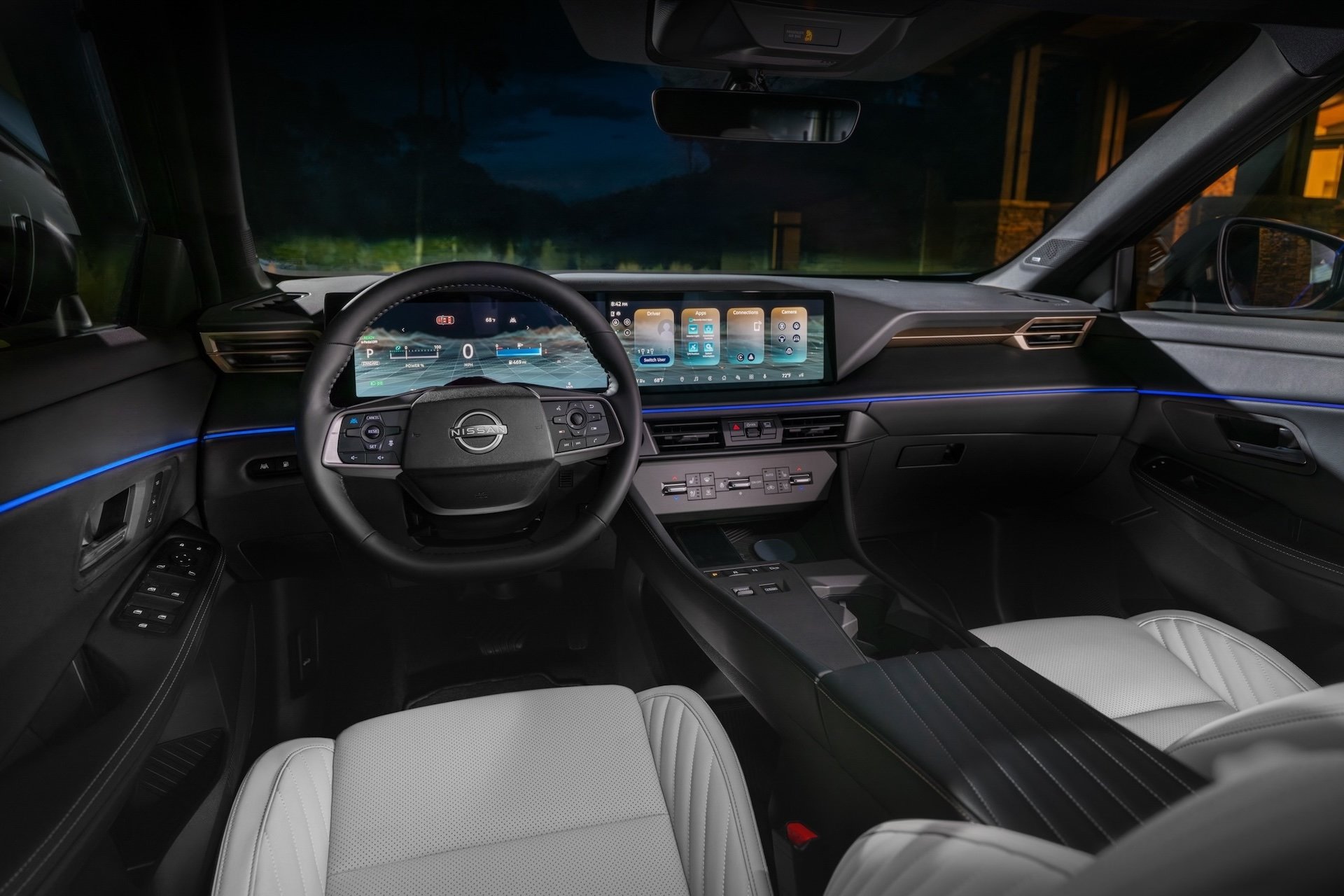


The 2027 Nissan Rogue Hybrid launched with a volume knob, climate toggles, and physical buttons for heated and ventilated seats. In 2025, that counts as a bold design statement.
Ponz Pandikuthira, Nissan North America’s Senior Vice President and Chief Planning Officer, told The Drive that burying every function behind a touchscreen is a dead end. “You can’t make that purely a design exercise,” he said. The new Rogue’s interior was shaped by how people actually use their cars, not by how clean a dashboard looks in a press photo.
It is a direct shot at the industry’s obsession with minimalist glass cockpits, a trend Tesla mainstreamed and others followed without questioning whether drivers actually wanted it. Volkswagen learned the hard way, reversing course on its touch-capacitive controls after years of customer complaints. Hyundai and GM have similarly walked back some all-screen ambitions.
Pandikuthira laid out the logic with unusual clarity. “Ultimately, you could put everything in a screen. It’s a very clean design on the inside. But the functionality takes a big beating,” he said. A volume knob stays a knob because people understand it instantly. Two-way functions get toggles. Climate controls get dedicated buttons. None of this is revolutionary. It is, instead, an admission that the revolution went too far.
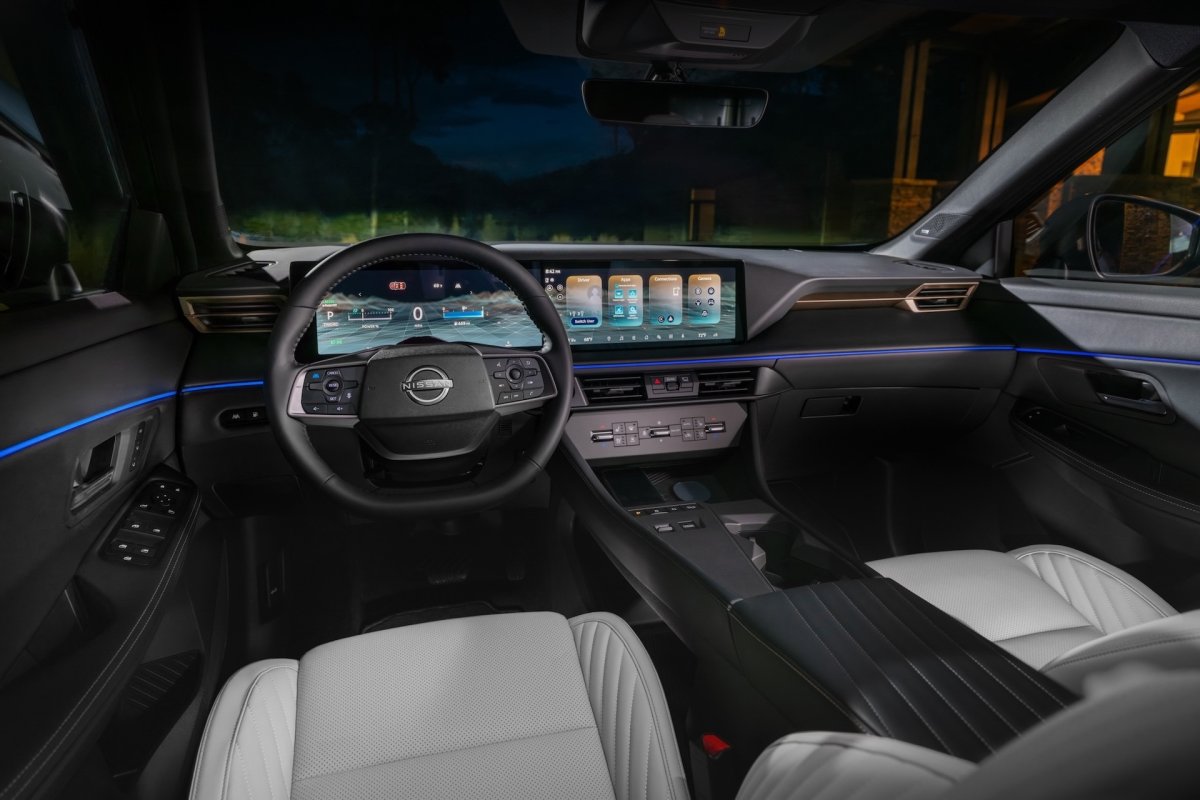
His sharpest line landed when he described the Rogue’s place in the market. “It’s not a jewelry car that you just park in your garage and show off to your friends that form can lead over function,” Pandikuthira said. The Rogue is transportation. It hauls families, grocery bags, and soccer gear. Its controls need to work without a learning curve, without looking away from the road, without stabbing at a flat panel while the car bounces over a pothole.
The irony is thick. Automakers spent a decade chasing Tesla’s tablet-on-a-dashboard aesthetic, convinced it signaled modernity. Focus groups loved the look in showrooms. Owners hated it on I-95.
Euro NCAP began penalizing vehicles that buried basic controls in menus. Safety researchers flagged the distraction. Now the pendulum swings back, with manufacturers framing physical controls as a feature rather than a relic.
Nissan is not alone in this pivot, but the company’s willingness to say it so bluntly is unusual for a major OEM. Most competitors quietly reintroduce buttons without acknowledging the mistake. Pandikuthira called it what it is: touchscreens sacrifice usability for aesthetics.
The Rogue sells roughly 250,000 units a year in North America. It is Nissan’s bread and butter, the model that keeps dealers fed and factories running. Getting the interior right is not optional.
Nissan cannot afford to alienate mainstream buyers with a cockpit that demands a tutorial. Pandikuthira’s comments also hang over the upcoming Xterra revival. Nissan has only shown teaser images of the reborn SUV so far, but if the Rogue’s philosophy holds, expect real switches and knobs in a vehicle aimed at adventure-oriented buyers who will be wearing gloves, covered in mud, or both.
The question now is whether Nissan’s competitors will follow with equal conviction or keep hedging. Mazda has stayed loyal to physical controls. Toyota has mostly resisted the purge. But plenty of mainstream brands still force owners through three menu layers to adjust fan speed.
Pandikuthira did not say the screen is dead. He said it has a place, just not every place. That distinction is where the next interior design war gets fought.
Share this Story