
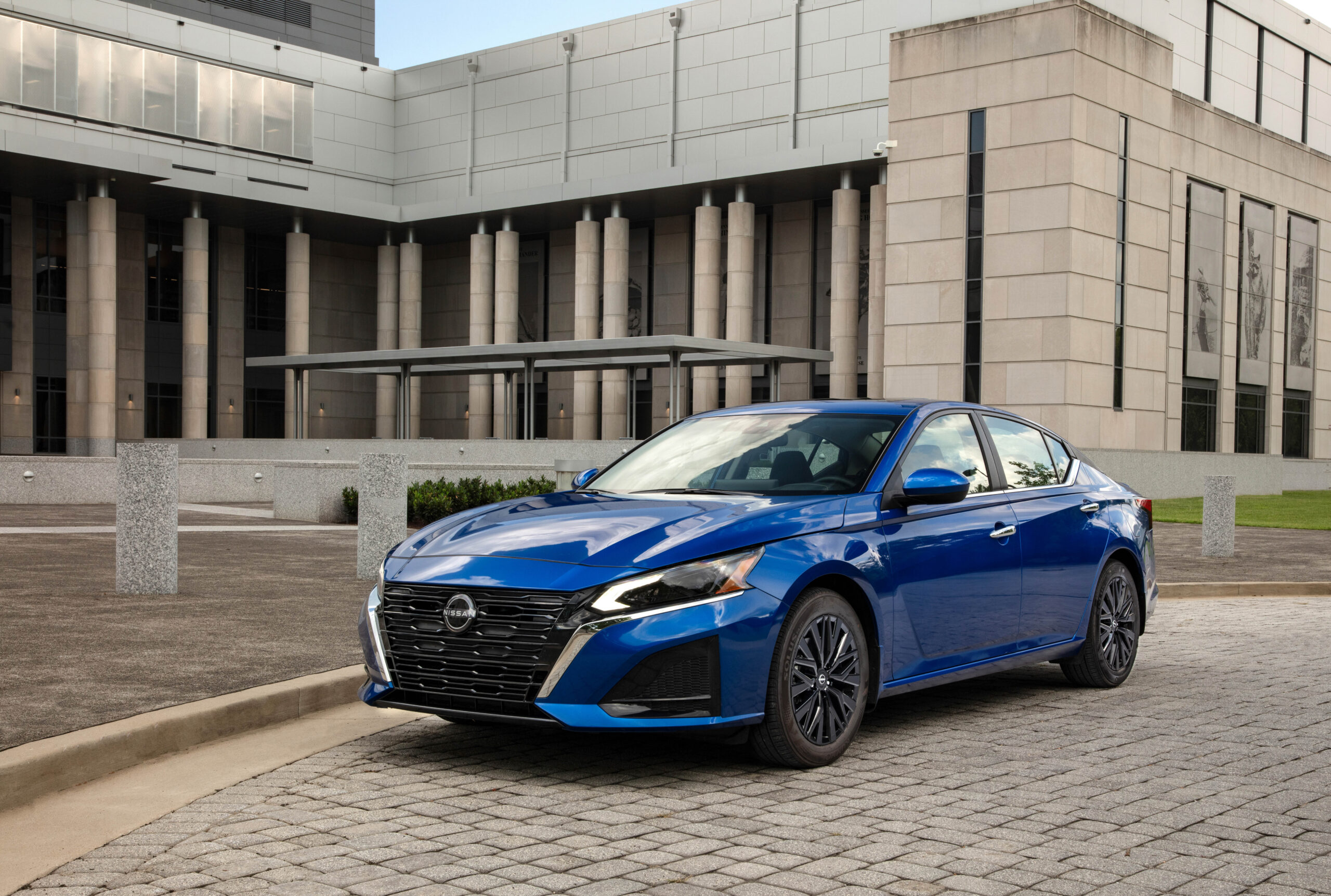


Ponz Pandikuthira, Nissan’s head of product planning for North America, told WardsAuto the Altima sedan will “soon depart.” Hours later, a Nissan spokesperson told Car and Driver the company plans to announce a 2027 Altima later this year. Both statements came from the same company, on the same day, about the same car.
Welcome to Nissan in 2026.
The contradiction is almost too perfect. An executive with “senior vice president” in his title goes on the record saying the mid-size sedan is getting axed so the recently refreshed Sentra can absorb its buyers. Then the communications team scrambles to issue a statement insisting the Altima “remains an important part of our lineup” and that a new model year is coming.
One of these things isn’t true, and the smart money says the suit with the product plan knows more than the press statement.
The Altima has been circling the drain for a while now. It was supposed to end after 2025. Then Nissan quietly brought it back for 2026, a stay of execution that surprised almost nobody inside the industry but confused plenty of people outside it. The car is old. Its platform is old. Nissan has invested nothing meaningful in its future.
Announcing a 2027 model doesn’t mean the car has a future — it means Nissan needs the volume while it figures out what comes next.
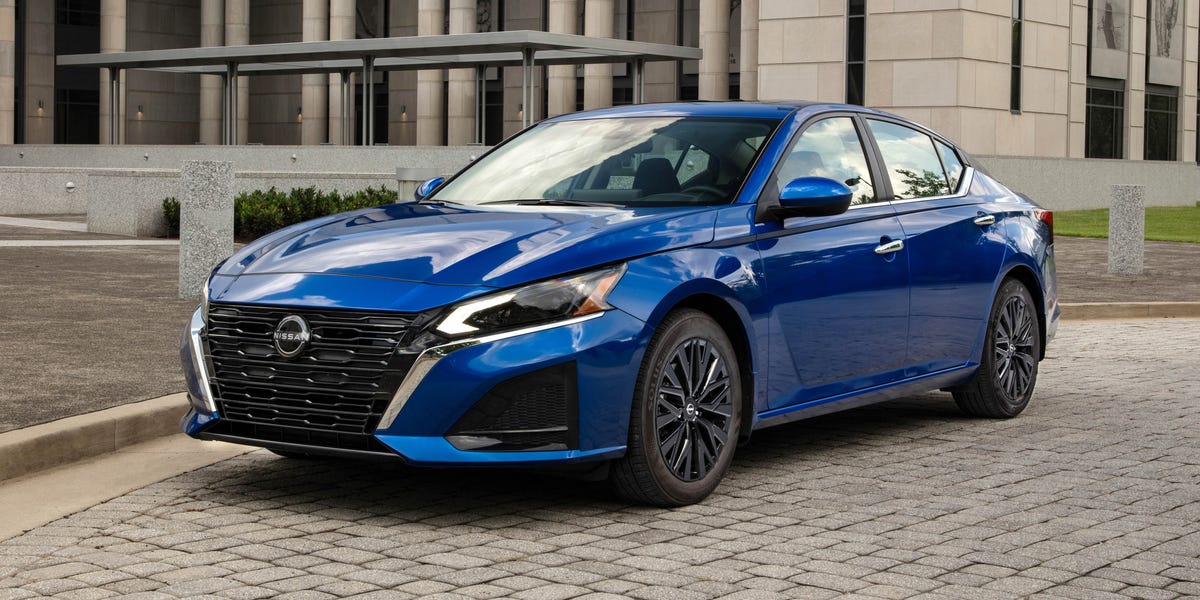
And what comes next is murky at best. Pandikuthira confirmed that Nissan has scrapped plans for two U.S.-built EV sedans, pushing any meaningful electric sedan volume to the end of the decade when battery costs should theoretically cooperate. He also raised fresh questions about the Ariya electric SUV, which was already cancelled for 2026 and is now merely “being discussed” for the American market.
So let’s tally: the Altima is dying or not dying depending on who you ask, the Ariya might come back or might not, and the EV sedans aren’t happening anytime soon. Nissan’s North American product pipeline looks less like a strategy and more like a series of negotiations with reality.
The Sentra, at least, got a proper refresh. Pandikuthira called it “grown-up,” which is corporate-speak for “we made it nicer so you won’t notice there’s nothing above it.” The idea that a compact sedan can cover the entire sedan market for a major automaker would have been laughable a decade ago. Today it’s just another concession in the great American retreat from passenger cars.
Nissan isn’t alone in this. Toyota has its Camry. Honda has the Accord. Both invested in next-generation platforms. Nissan chose to let its sedan age out and hope the Sentra could pick up the slack. That’s not a product strategy — it’s triage.
The real tension here isn’t whether the Altima lives another year. It probably will, in the way that discontinued cars always linger on dealer lots long after the obituary runs. The tension is between what Nissan’s product chief is planning and what Nissan’s PR team is willing to admit.
Those two things are clearly not aligned, and that gap tells you more about the state of the company than any press release ever could.
Nissan sold more than 200,000 Altimas annually as recently as 2019. Those days are gone. The question was never if the Altima would die. It was whether Nissan would have something ready to replace it. Based on everything we heard this week, the answer is no.


Share this Story