
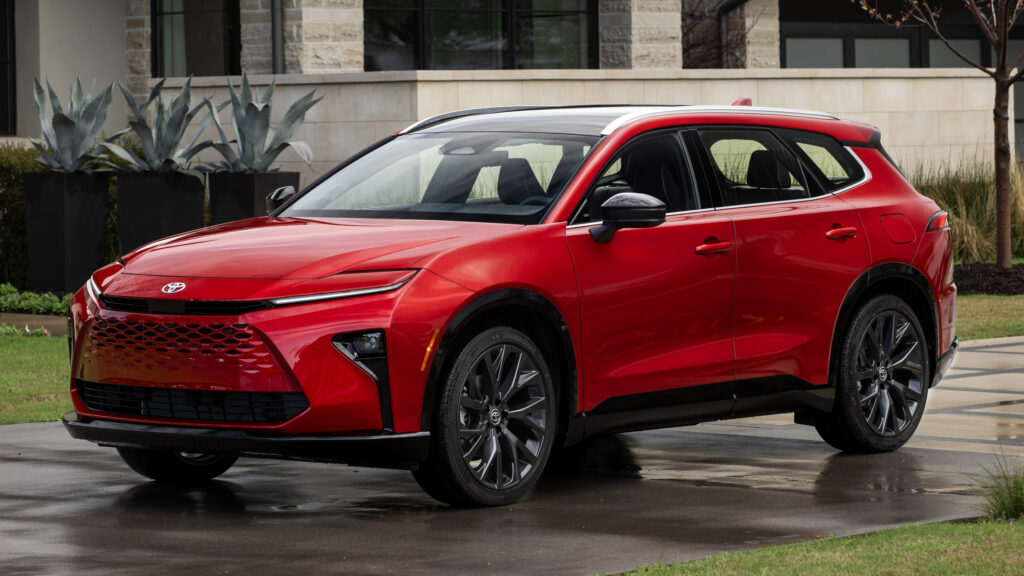


Sixteen vehicles worth $1.4 million vanished from a Connecticut dealership’s lot. Then more cars disappeared after the auditors showed up. Toyota Motor Credit Corporation wants its $5.1 million back.
The lawsuit, filed April 4 in U.S. District Court for the District of Connecticut, targets Stephen Cadillac GMC in Bristol, a dealership group that also operates Stephen Toyota. According to the complaint, a March 27 audit uncovered a gaping hole in the dealer’s inventory. Cars that should have been sitting on the lot, still technically owned by Toyota Credit, were simply gone.
This is the kind of story that exposes the financial plumbing most car buyers never think about. Dealers don’t typically buy their inventory outright. They use floor plan financing, a revolving credit line where the lender fronts the money for each vehicle.
The dealer pays back the loan when the car sells. Until then, the lender holds a lien on the metal. The system depends entirely on trust, and Toyota Credit says that trust was shattered.
The complaint alleges the dealership sold, leased, transferred, or otherwise disposed of vehicles still under lien without repaying the corresponding loans. In dealer finance circles, this is called a “sale out of trust,” and it’s about as serious as it gets short of outright fraud. It means the dealer pocketed proceeds from sales while the lender was still owed for the inventory.
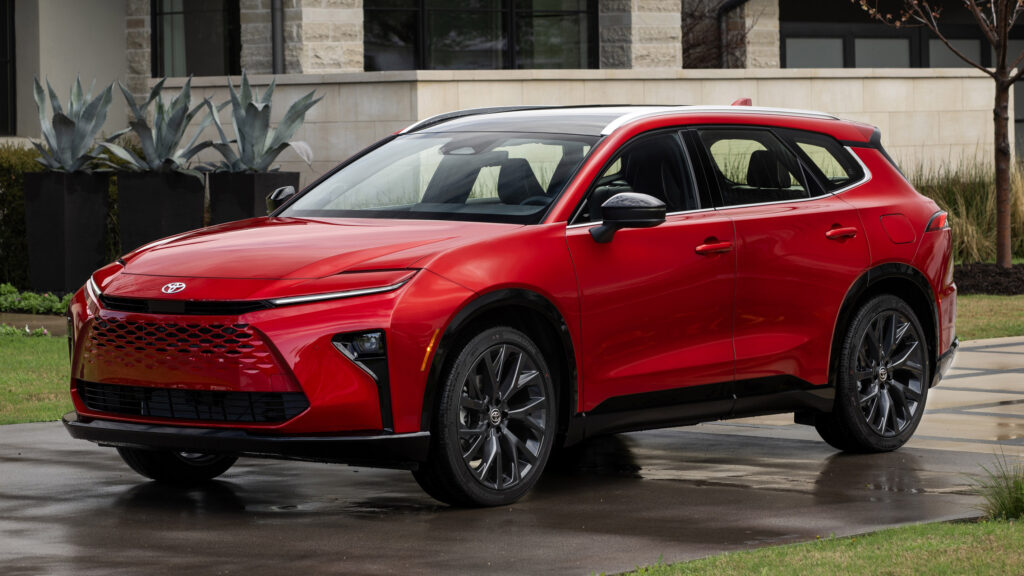
What makes this case worse is the timeline. Toyota Credit claims that even after auditors flagged the missing vehicles on March 27, additional cars were removed from the dealership in the days that followed. That’s not a bookkeeping error. That’s defiance with the lights on.
The total alleged debt exceeds $5.1 million, with more than $3 million tied to floor plan and capital loans. Toyota Credit is seeking damages, physical control over the remaining vehicles, and a court injunction to prevent any further movement of collateral. The loans were personally guaranteed by the dealership’s president, Stephen Barbarino Jr., which means his personal assets could be on the line.
A lawyer for the dealership told reporters the company is “working with Toyota to resolve the matter.” Both the Stephen Cadillac GMC and Stephen Toyota stores remain open. Employees declined to comment.
Floor plan fraud isn’t new. It has destroyed dealerships before, and lenders have long used periodic audits to catch exactly this kind of discrepancy. But the scale here and the brazenness of allegedly moving vehicles after the audit suggest something well beyond sloppy record-keeping.
Toyota Credit isn’t a small-time lender chasing a minor account. It’s one of the largest captive finance arms in the industry, and it finances thousands of dealer rooftops across the country. When a dealer breaks trust at this level, the response isn’t just about recovering money. Every other dealer in the network is watching.
The case also lands at a moment when the Federal Trade Commission is already scrutinizing dealer practices more aggressively than at any point in the past decade. A court battle over missing inventory and unpaid liens only adds fuel.
Whether this ends in settlement or a courtroom verdict, the facts in the complaint paint a picture of a dealership that treated its lender’s money as its own. That’s a bet no dealer wins twice.




Share this Story