
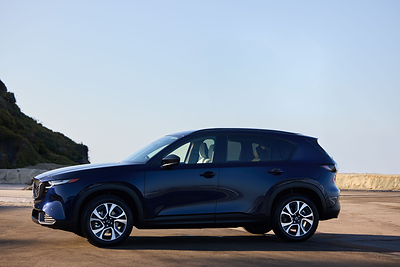


Every year, roughly 350 people in the United States die in crashes involving vehicles stopped on the shoulder. Mazda just made a bet that a digital nudge can shrink that number.
The automaker announced a three-way collaboration with AAA and HAAS Alert that pushes real-time “Slow Down, Move Over” alerts to approaching drivers whenever a Mazda owner calls for roadside assistance. The trigger is simple: request help through the MyMazda app or a toll-free call, and AAA dispatches a tow truck while HAAS Alert’s Safety Cloud platform simultaneously pings nearby connected vehicles and navigation apps.
It is a small, specific intervention aimed at the most overlooked slice of road danger. Not the crash itself, but the minutes afterward, when a disabled car sits exposed on a highway shoulder and every passing vehicle becomes a potential projectile.
Some of the most dangerous moments on the road happen after the initial event,” said Jennifer Morrison, Mazda’s Director of Vehicle Safety Strategy. She framed the collaboration as extending protection beyond the sheet metal, covering the gap between a breakdown and the moment a flatbed arrives.
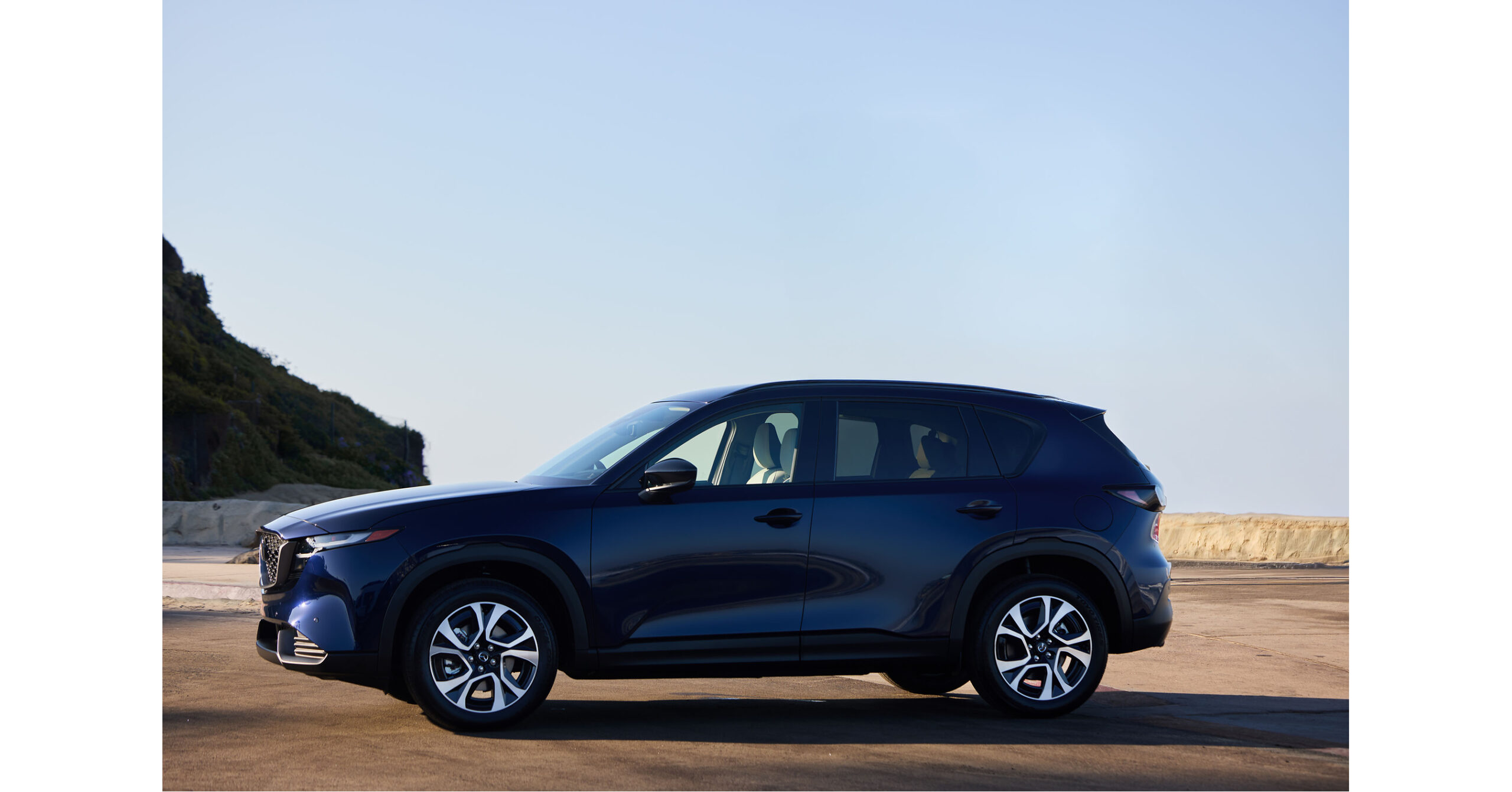
The tech backbone here belongs to HAAS Alert, a Chicago-based outfit that already supplies digital alert infrastructure for emergency vehicles, public safety agencies, and fleet operators across North America and Europe. When a Mazda triggers a roadside call, AAA’s system feeds location data to HAAS Alert, which then broadcasts a warning to compatible dashboards and apps within range.
Jeremy Agulnek, HAAS Alert’s SVP of Connected Vehicle and Chief Product Officer, put it bluntly: “The seconds before another driver arrives are the most dangerous.” The alert appears on screens drivers are already watching, which matters more than any feature buried three menus deep in an infotainment system.
The catch, as always, is reach. Alerts only land on vehicles or apps that are connected to the Safety Cloud ecosystem, and HAAS Alert describes its coverage as available “in supported markets.” That means a driver approaching a stranded CX-5 in rural Montana may never see a warning. The system’s effectiveness scales with adoption, and adoption is still climbing.
AAA brings 58 million U.S. members and a massive roadside dispatch network to the table. Cliff Rudd, AAA’s Managing Director of Automotive Services, called it a natural extension of the organization’s push to protect both motorists and service technicians who work inches from live traffic.
Mazda is not the first automaker to explore connected vehicle safety alerts. Stellantis, GM, and others have integrated HAAS Alert’s emergency vehicle warnings into their dashboards. But tying the system directly to a brand’s own roadside assistance pipeline, using the AAA dispatch as the trigger, adds a layer of automation that removes driver effort from the equation. You call for help, and the digital shield goes up without another tap.
The feature is live now on all eligible Mazda vehicles with the brand’s 24/7 emergency roadside assistance package. No subscription upsell, no hardware add-on.
Whether this trims the fatality count depends entirely on how many other vehicles on the road can actually receive the signal. Mazda has built the broadcast. The audience is still assembling.


Share this Story