
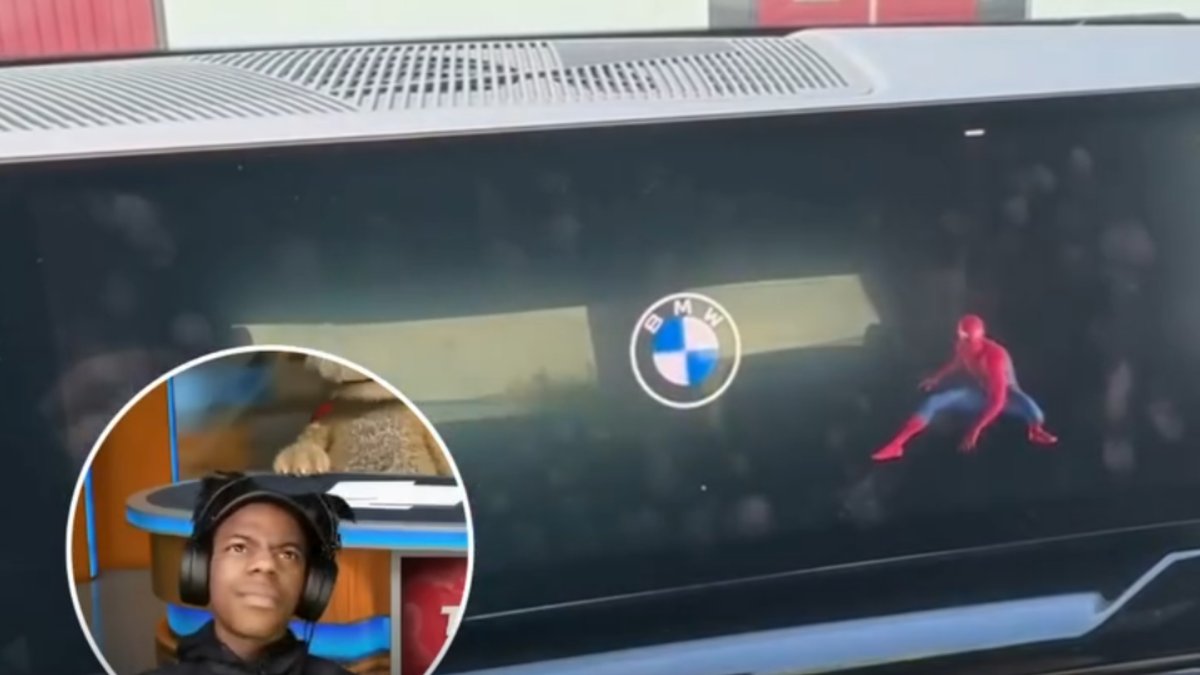


A BMW iX3 owner fires up the infotainment system and gets hit with a Spider-Man promo. Not a software update notification. Not a service reminder. A promotional clip for a Marvel movie, complete with soft narration and cross-branded imagery tying Sony’s blockbuster to BMW’s electric SUV. The clip surfaced via Instagram user @metav3rse and quickly drew the kind of attention automakers would rather avoid.
This is not a pop-up on a free website. This is a screen inside a vehicle that someone purchased, possibly financed at today’s brutal interest rates, and is now being used to serve third-party advertising content. The owner didn’t opt in. The owner didn’t download an app. BMW simply decided the dashboard was available real estate.
BMW is not the only offender. Jeep has been pushing promotional content through its screens. Toyota nudges owners toward subscription upsells for infotainment features using the same touchscreen they interact with daily.
But BMW’s Spider-Man spot crosses a line the others haven’t quite reached. It’s not selling you floor mats or an extended warranty. It’s advertising a movie, a product completely unrelated to your car, your drive, or your ownership experience.
The business logic is transparent. BMW likely has a cross-promotional agreement with Sony or Marvel. There’s almost certainly a reciprocal deal where BMW vehicles appear in the film itself, which they do.
The marketing departments on both sides get to call it synergy. The revenue teams log it as a new monetization channel. Everyone in a boardroom somewhere is thrilled.
The person sitting in the driver’s seat, the one who spent $55,000 or more on the vehicle, is not thrilled.
Car prices have climbed relentlessly. The average transaction price for a new vehicle in the U.S. now hovers above $48,000. Financing costs remain punishing. Consumers stretched to their limits to buy these machines, and the reward for that loyalty is a cabin that doubles as an advertising platform.
There was a time when automakers penny-pinched on materials and features to satisfy their finance departments. Cheaper interior plastics. Deleted options. Models that never crossed the Atlantic. Enthusiasts loathed the bean counters for it, and rightly so.
But at least those cost-cutting measures didn’t follow you into the car after you bought it. They didn’t interrupt your morning commute to pitch you a superhero franchise.
What BMW has done is turn a purchased asset into a subscription-era content delivery device. It’s the same playbook that ruined smart TVs, where the hardware is just a vessel for serving ads the manufacturer gets paid for. Except a television costs $500. An iX3 costs six figures in some configurations.
No owner agreement includes a clause that says “we reserve the right to sell your attention to movie studios.” But the infrastructure is already in place. Connected vehicles with over-the-air update capability give automakers a direct pipeline into the cabin, one that can be used for recalls, software patches, or apparently, Marvel tie-ins.
If this tactic generates revenue without triggering enough backlash to matter, every other automaker with a connected platform will be watching. The question is not whether BMW will stop. It’s how long before the rest of them start.



Share this Story