
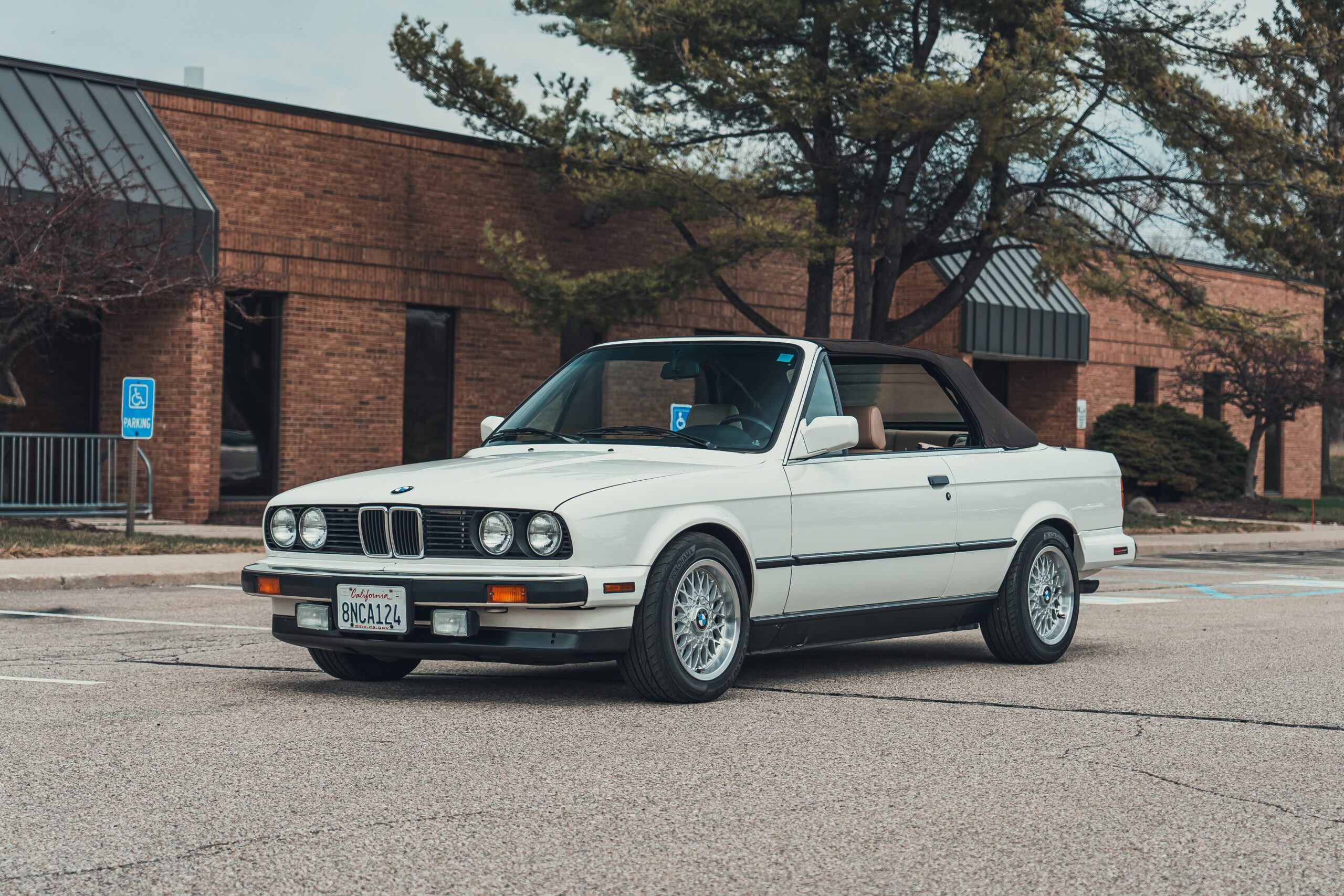


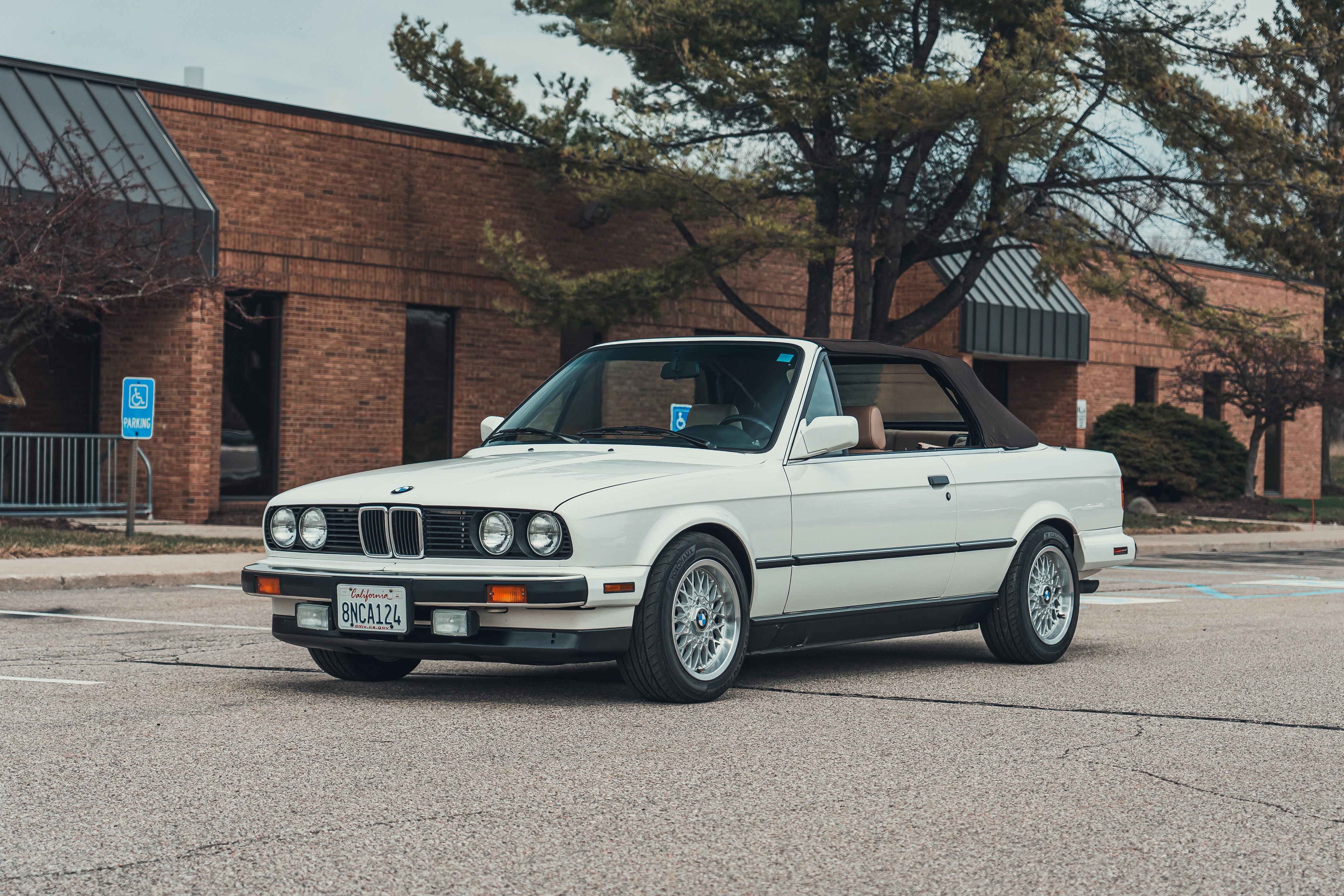
Tony Quiroga, Car and Driver’s editor-in-chief, bought a 28,000-mile 1991 BMW 325i convertible from its original owner in Fenton, Michigan, during a stretch of 22 consecutive rainy days in 2019. When he sold it years later on Bring a Trailer, the same original owner won the auction and took it home again.
That kind of circularity almost never happens. And yet it tells you everything about what certain old BMWs still do to people.
Quiroga’s shopping criteria were simple: rear-wheel drive, manual transmission, four seats, and a convertible top. The E30-generation 325i checked every box. He traces the obsession to a test drive his mother took in February 1989, one she doesn’t even remember. He never forgot it.
The car had European delivery paperwork from the summer of 1990 and service records stretching back to that trip. Interior and exterior were museum-grade. The fluids, hoses, and belts, however, were Bush 41-era relics.
Quiroga dove into the deferred maintenance, lowered it on H&R springs, fitted 15-inch wheels, and drove it through a Michigan summer before hauling it to Los Angeles.
In LA, it became a date car, a Pacific Coast Highway cruiser, a Monterey Car Week ride. Top down, the little six-cylinder spun with the viscous smoothness that once defined BMW before the company decided pumping synthetic exhaust notes through cabin speakers was an acceptable substitute for engineering. Even at just 168 horsepower, the brakes felt overwhelmed.
The 3.9-turn lock-to-lock steering turned tight corners into an arm workout. Structural shake reminded you that a convertible of this vintage is really just a sedan with its spine removed.
None of that mattered. It was an endorphin machine with the top folded.
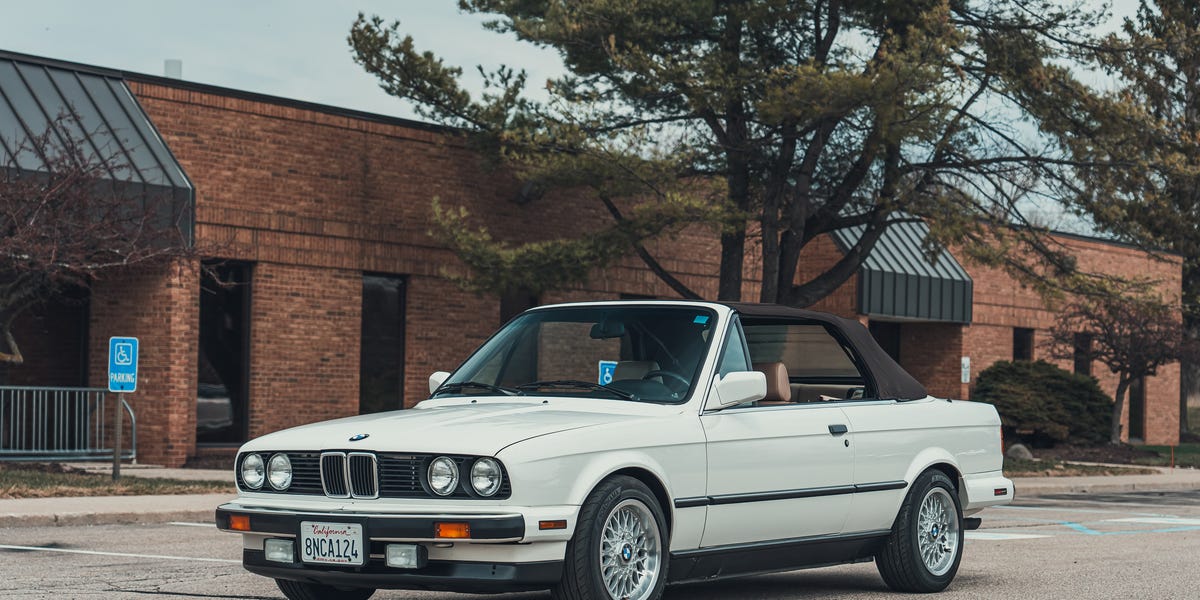
When family life required a different kind of car, Quiroga listed the 325i on Bring a Trailer. For $99, the platform builds you a detailed auction listing and runs it for a week. Questions pile up in the comments. Armchair experts and genuine enthusiasts debate every flaw and feature.
Quiroga had first offered the car back to its original owner by email. The man declined. So it went to auction.
When the bidding closed, a buyer link and phone number appeared on Quiroga’s screen. He punched the number into his phone and a pre-pandemic text thread popped up. The original owner had changed his mind.
He’d won his own car back on the open market, presumably at a price considerably higher than what he’d sold it for. A divorce undone, as Quiroga put it. The man picked up the BMW within 24 hours and promised to drive it more this time around.
There’s a particular gravity that E30s exert on people who’ve owned them. The cars are not fast. They are not refined by any modern standard.
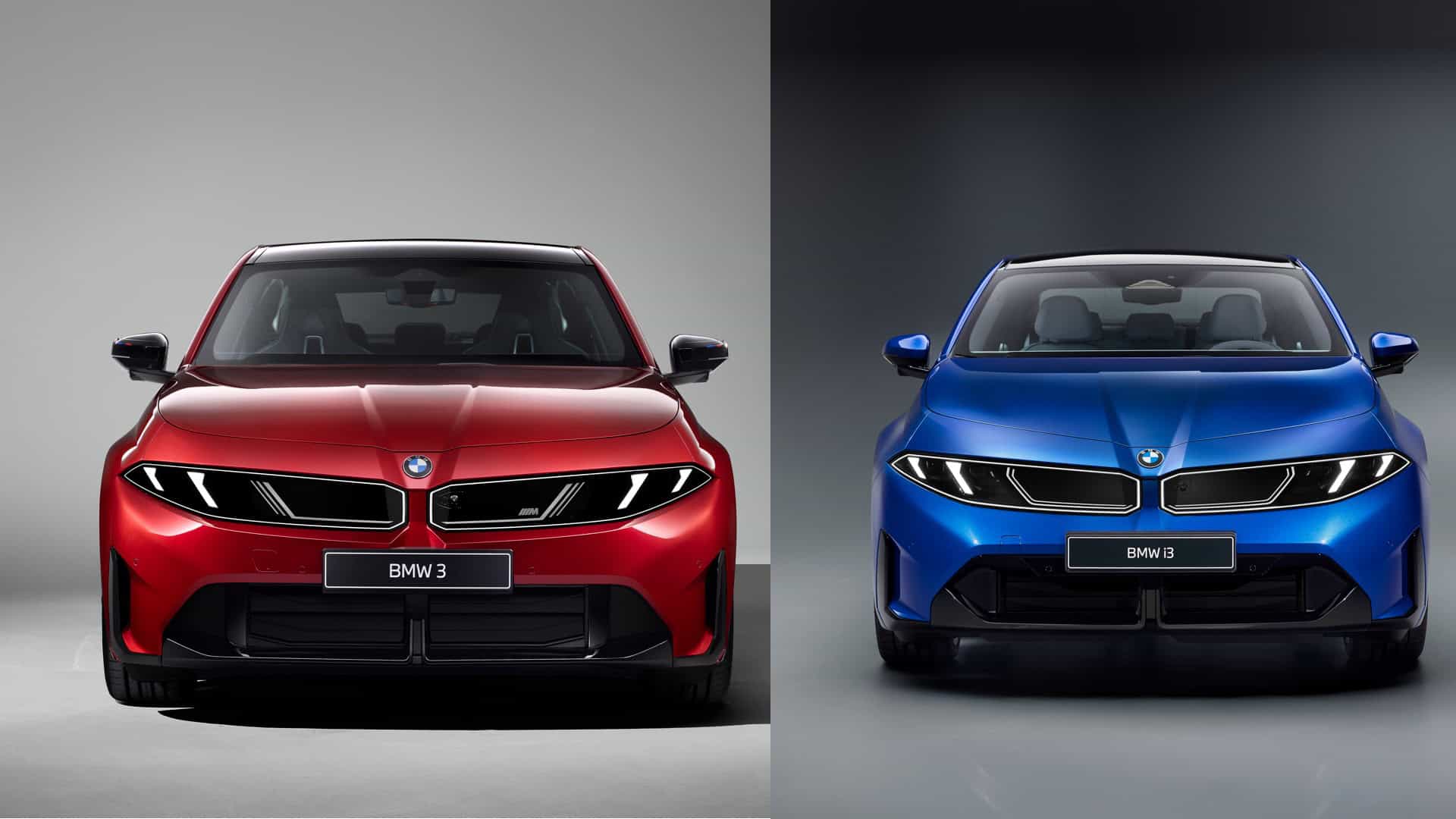
What they possess is a mechanical honesty that has become almost extinct in new BMWs, where turbocharged four-cylinders do the work that naturally aspirated sixes once handled, and where digital filters stand between the driver and every sensation the car produces.
That a man could let one go, watch it sell to someone else, live without it for years, and then bid against strangers to get it back says less about nostalgia than about what’s been lost. The E30 doesn’t pretend to be anything. It just is.
Quiroga, meanwhile, says he’s measuring his garage for a Ford Model T.

Share this Story