
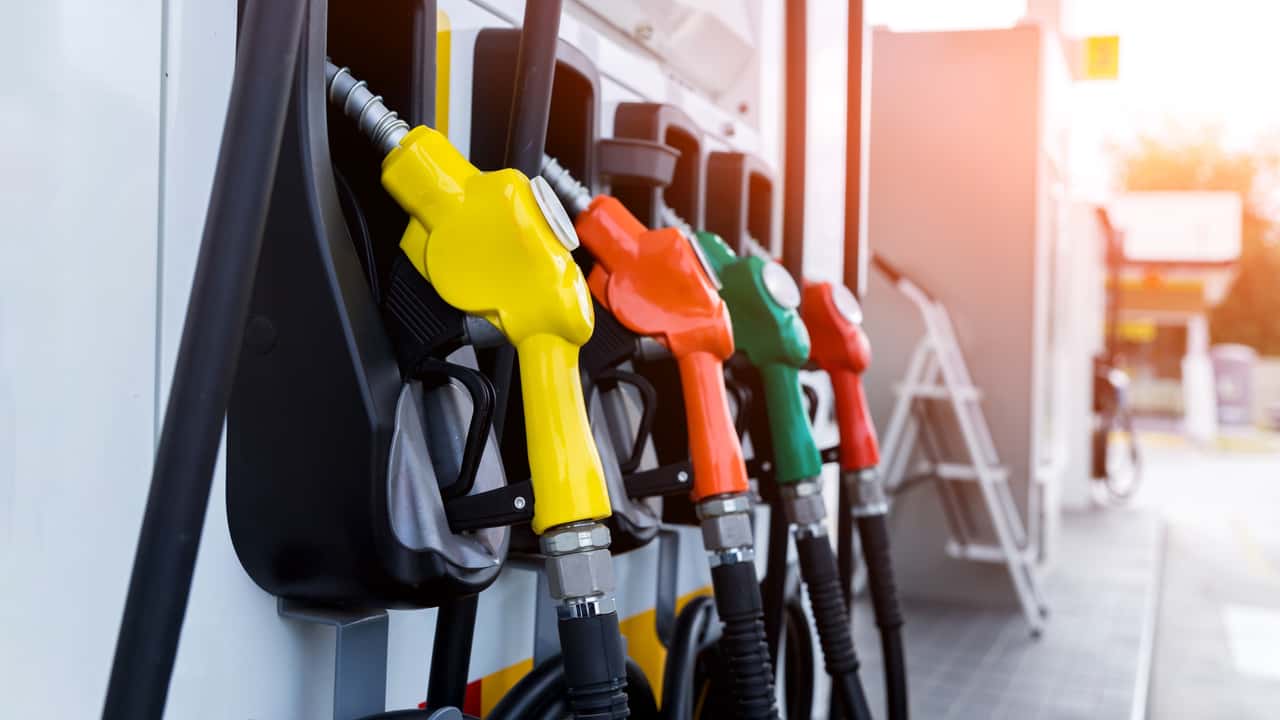


A 5 percent drop in premium gasoline sales over a four-day stretch in late June tells you everything about where American drivers’ heads are right now. They’re choosing their wallets over their owner’s manuals.
Data from cash-back app Upside, reported by Bloomberg, shows premium fuel purchases fell sharply between June 22nd and 25th compared to a February baseline, the last clean snapshot before U.S. strikes on Iran sent oil prices climbing. Mid-grade slipped 2 percent during the same window. Regular gas sales surged 10 percent.
The math is simple. Drivers who own luxury and performance vehicles, cars that often require 91 octane or higher, are filling up with 87 instead.
“We almost always see premium cannibalized to regular,” Patrick De Haan, head of petroleum analysis at GasBuddy, told Bloomberg.
That cannibalization is not without consequences. For vehicles that require premium fuel, running regular can cause engine knocking and, over time, real mechanical damage. The savings at the pump could easily become a four-figure repair bill. But when gas was pushing past $4.00 a gallon, plenty of owners clearly decided that was a problem for future them.
The distinction between “required” and “recommended” is doing a lot of heavy lifting here. Some vehicles genuinely need higher octane to run safely. Others merely perform better with it.
Mazda, for instance, advertises a 23-horsepower bump in its 3 and CX-50 when you run premium instead of regular. The CX-70 and CX-90 gain 21 horses. You lose some grunt on 87 octane, but the engine doesn’t grenade itself.
Then there’s the quiet game automakers play with shared platforms. The Nissan Armada and Infiniti QX80 use the same engine. The Armada makes 425 horsepower; the QX80 makes 450.
Toyota’s Grand Highlander Hybrid Max produces 362 horses while the Lexus TX 500h F Sport Performance squeezes out 366. Nobody at corporate will say it out loud, but the software is tuned for the fuel grade the brand expects its buyer to use. Run regular in the luxury badge and you’re driving the mainstream version anyway.
That quiet reality is exactly why so many drivers feel comfortable making the switch. They may not know the engineering details, but they sense, correctly, that their car won’t explode if they save 40 or 50 cents a gallon.
Average fuel prices have since drifted below $4.00 in early July, according to AAA. Whether that eases the premium-to-regular migration remains to be seen. But the pattern has been established. When prices spike, the first thing to go isn’t driving, it’s octane.
This is a consumer behavior shift that automakers building $60,000-plus vehicles should watch closely. The buyer who finances a luxury SUV at 6 percent interest and then fills it with regular gas to save $8 per tank is telling you something about how thin margins really are in the household budget. The sticker price gets financed and forgotten. The fuel price stares you in the face every week.
GM has already acknowledged that high gas prices are shrinking truck demand. Now the premium fuel data suggests the squeeze extends beyond purchase decisions into daily ownership costs. The American driver isn’t just thinking twice about what they buy. They’re thinking twice about how they feed it.


Share this Story