
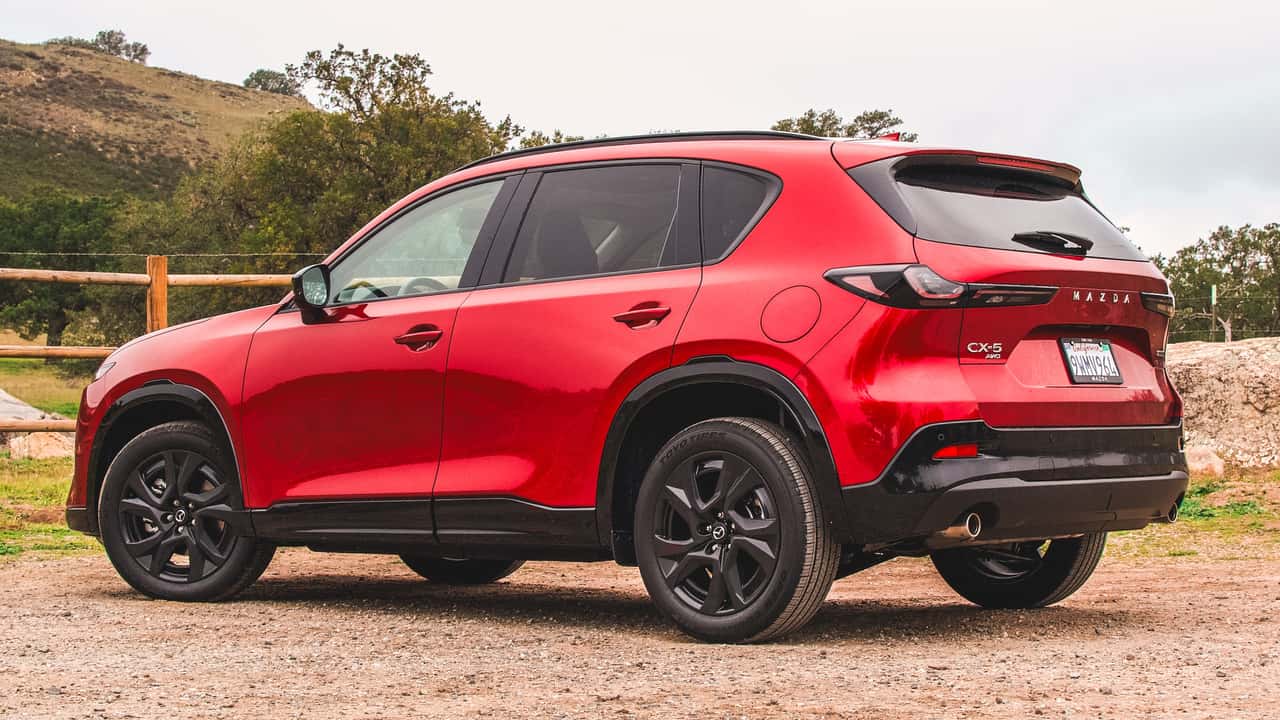


Mazda program manager Koichiro Yamaguchi told Australian outlet CarSales the company is “open” to building a more off-road-capable version of its bestselling CX-5. He stopped short of confirming anything. But the fact that a senior executive is talking about it publicly tells you the conversation inside Mazda has already moved past the whiteboard stage.
“I like to monitor customer feedback very carefully,” Yamaguchi said. “We want to hear from customers and listen closely to what the market is asking for.”
That’s corporate for “we’re watching the sales charts, and the sales charts are screaming.”
Honda has the CR-V TrailSport. Subaru has the Forester Wilderness. Hyundai has the Tucson XRT. Nissan has the Rogue Rock Creek. Toyota has the RAV4 Woodland. The compact soft-roader segment is now so crowded it has its own gravity, and Mazda is conspicuously absent from it.
The formula is neither complicated nor expensive. Take a standard crossover, add an inch of lift, bolt on chunkier tires, darken the trim, slap on some underbody protection, and charge a premium. Buyers eat it up. These aren’t trail machines. They’re lifestyle statements with just enough capability to survive a fire road without embarrassment.
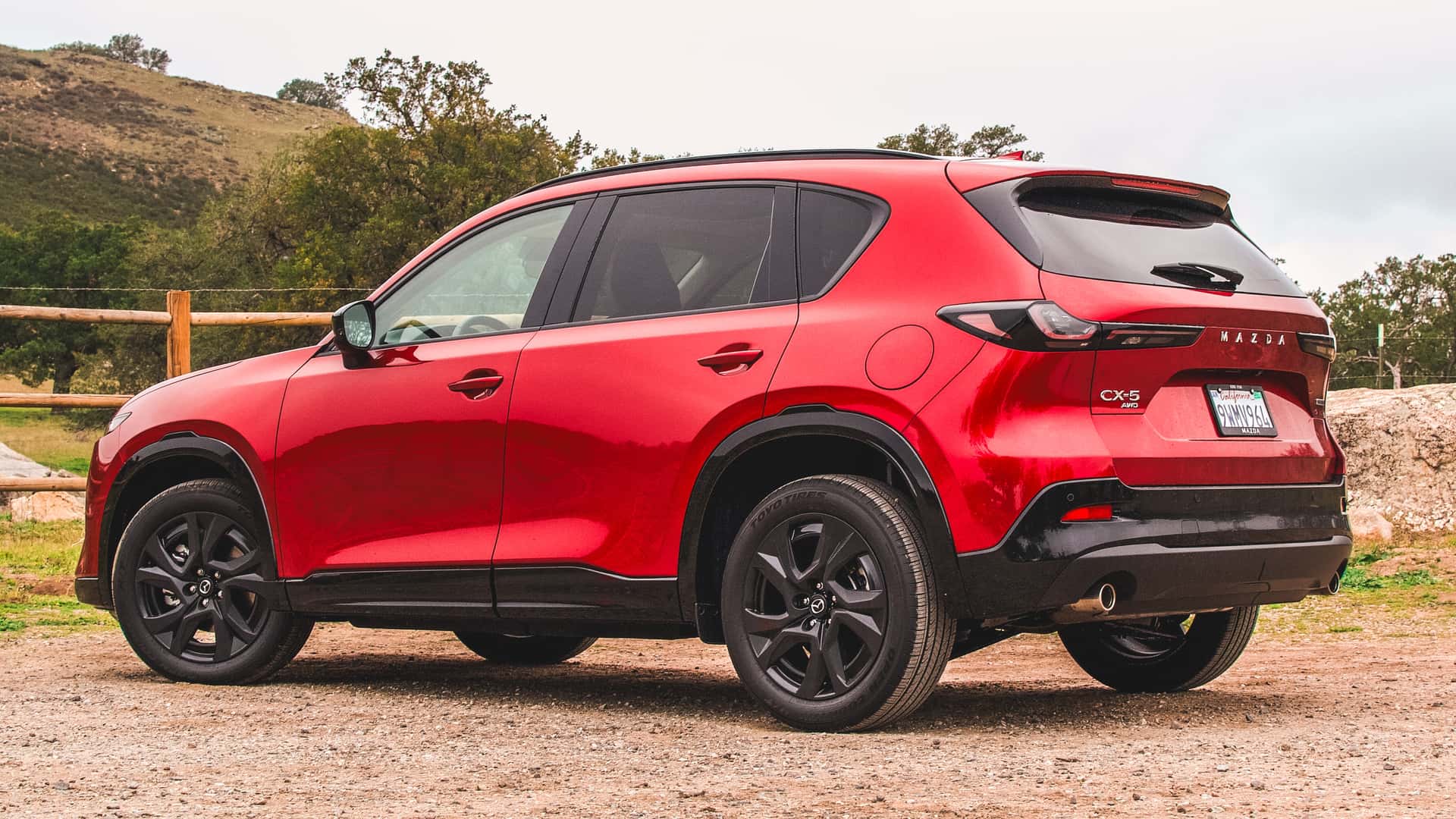
Yamaguchi pointed to the next-generation CX-5’s upgraded all-wheel-drive system as a natural foundation. It now sends more torque rearward and offers finer control over distribution. That hardware could justify the “off-road capable” label without Mazda having to reengineer the platform.
Here’s the thing nobody in the room wants to say out loud: Mazda already did this. The CX-50, launched in 2022 and built exclusively in the company’s Alabama plant, was supposed to be the outdoorsy alternative. The Meridian Edition got the lifted stance, the rugged cladding, the adventure-lifestyle marketing push. It exists. It’s on dealer lots right now.
So why is Mazda floating the idea of a rugged CX-5 when it already sells a rugged-adjacent CX-50?
Because the CX-5 moves metal the CX-50 doesn’t. Mazda sold more than 136,000 CX-5s last year, up 1.7 percent. Since 2011, the nameplate has moved over five million units globally.
The CX-50 has never matched that pull. The name recognition isn’t there. The global footprint isn’t there. A soft-roader CX-5 wouldn’t replace the CX-50 — it would quietly acknowledge that the CX-50’s mission might have been better served under the badge people actually know.
If Mazda greenlights this, expect the predictable package: ground clearance pushed past 7.9 inches, all-terrain rubber, roof rails, and interior trim changes to differentiate it from the standard lineup. Nothing revolutionary. Nothing that requires a new assembly line. Just enough to park next to a Forester Wilderness at a trailhead without looking like the crossover that took a wrong turn.
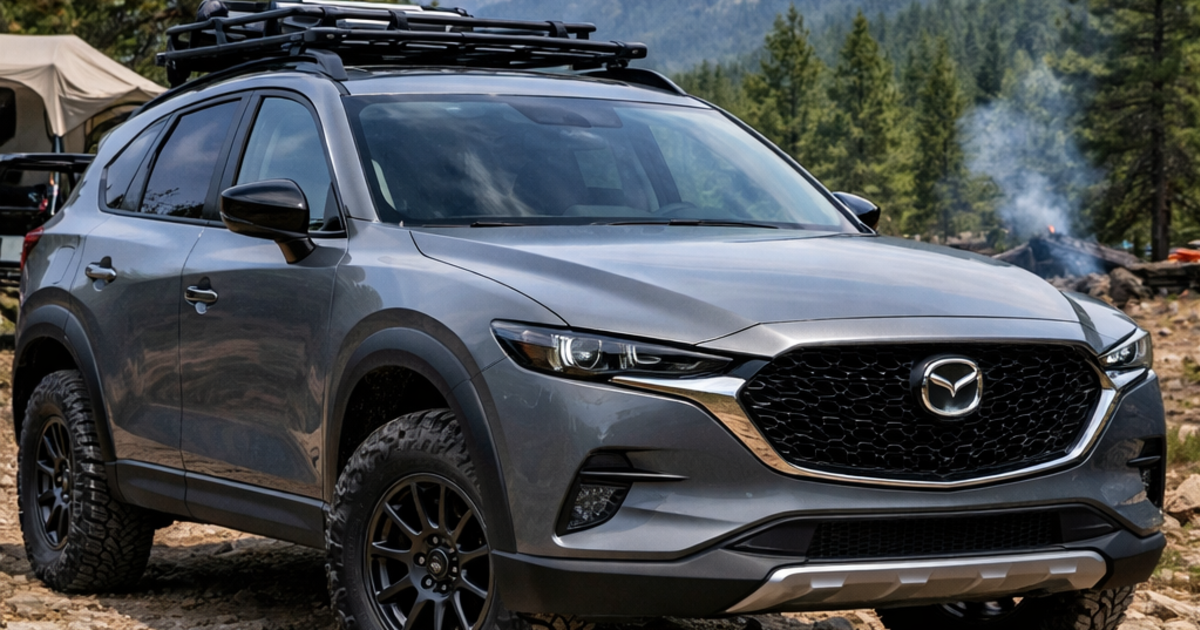
The deeper question is whether Mazda’s premium-leaning brand identity can absorb a model designed to get dirty. The company has spent a decade trying to climb upmarket — nicer interiors, smoother powertrains, pricing that occasionally bumps against entry-level luxury. A CX-5 with plastic fender flares and mud-terrain tires cuts against that narrative.
Or maybe it doesn’t. Maybe the market has moved past that contradiction entirely. Buyers want refinement and ruggedness in the same vehicle, and the brands delivering both are winning.
Yamaguchi said demand will be the deciding factor. Given that every competitor with a soft-roader trim is reporting strong take rates, the data already exists. The only real question is how long Mazda waits before acting on it — and whether the CX-50 team takes the announcement personally.

Share this Story