
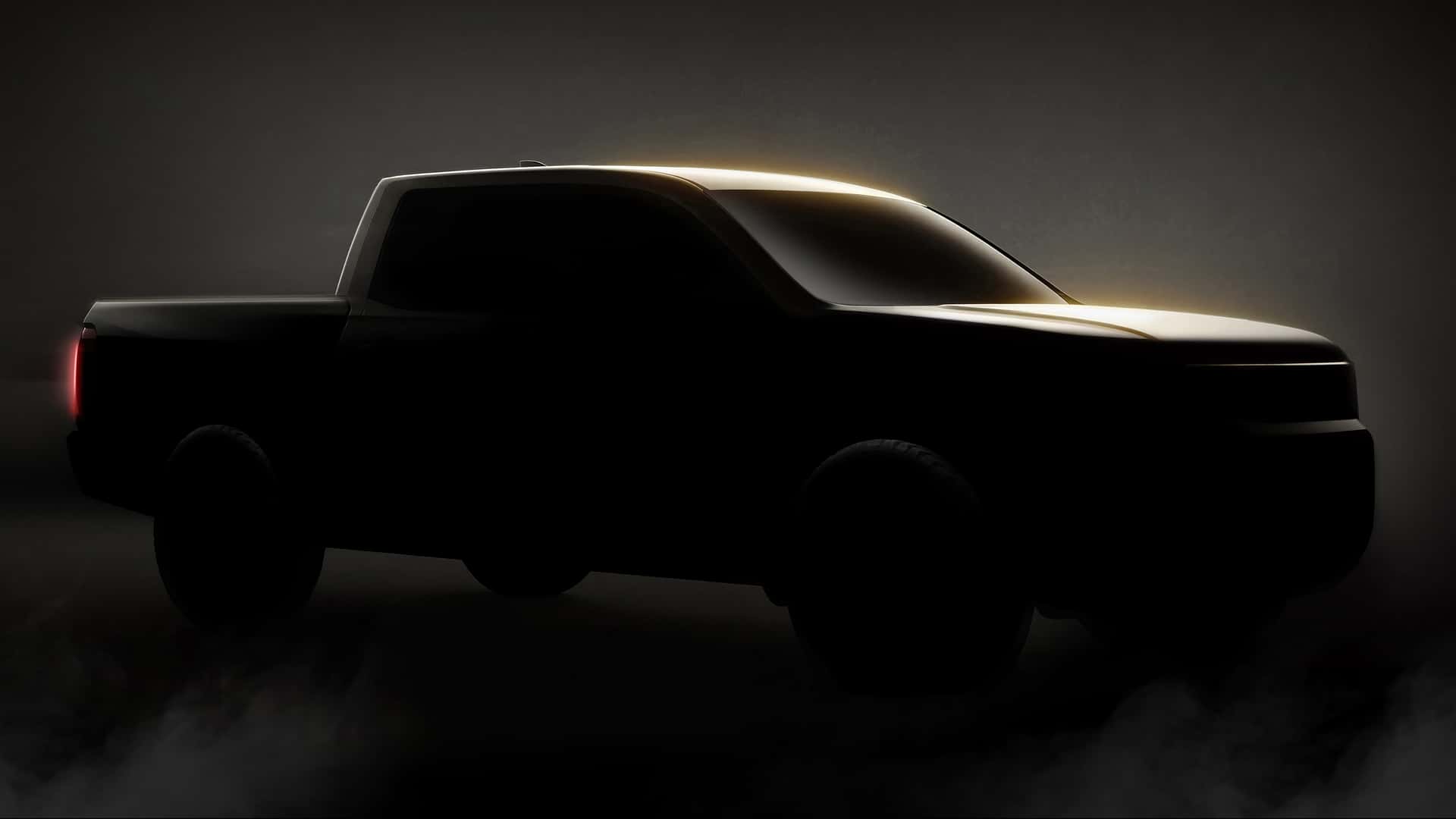


Honda just confirmed what truck buyers have been waiting years to hear: a third-generation Ridgeline is in development. But there’s a catch nobody at Honda seems eager to discuss. The current truck stops production later this year, and the replacement isn’t expected until the third quarter of 2028. That’s roughly two years with no new Ridgeline rolling off the line.
Lance Woelfer, Honda America’s vice president of auto sales, confirmed the next-gen truck will be “more rugged” and “more capable,” borrowing design language from the recently overhauled Passport. He offered zero specifics beyond that, which is the Honda way. Say just enough to keep people interested, reveal nothing that commits you.
Design work will happen at Honda’s Southern California studio. Engineering falls to the Auto Development Center in Ohio. Assembly stays in Lincoln, Alabama, alongside the Passport, Pilot, and Odyssey.
None of that is surprising. What’s surprising is Honda’s willingness to leave a production gap wide enough to lose customers through.
The current Ridgeline, launched for the 2017 model year with a mid-cycle refresh in 2021, has been running on fumes in terms of freshness. Yet sales have remained stubbornly strong. That’s a testament to what the truck does well — ride quality, the in-bed trunk, genuine daily-driver livability — and to the fact that its competitors in the mid-size space haven’t exactly been crushing it either.
Under the hood, the new Ridgeline will reportedly swap its aging 3.5-liter SOHC V6 for a newer unit designed to meet tightening emissions standards. The current engine makes 280 horsepower and 262 pound-feet of torque. Honda’s DOHC 3.5-liter V6, already in the Pilot and Passport, produces 285 horses. Expect numbers in that neighborhood.
What’s conspicuously absent from the announcement is any mention of electrification. No hybrid option. No plug-in. Nothing. Toyota stuffed a hybrid into the Tacoma. Ford offers one in the Maverick and Ranger.
Honda is apparently betting that a naturally aspirated V6 will carry the Ridgeline into the next decade. That’s a bold play in a segment where fuel economy increasingly drives purchase decisions.
The expected 2029 model year arrival means the new Ridgeline will face a transformed competitive landscape. The Tacoma is fresh. The Ranger was just redesigned. The Colorado and Canyon are barely two years old.
Walking into that fight with a clean-sheet truck is smart. Walking in two years late, after giving your existing customers nothing to buy in the interim, is a gamble.
Honda has a history of letting its trucks age past the point of dignity before replacing them. The first-generation Ridgeline ran from 2006 to 2014, followed by a two-year production hiatus before the second generation arrived in 2016. The pattern is repeating almost exactly.
The Ridgeline has always been the truck for people who don’t really want a truck — comfortable, unibody, car-like. Honda seems intent on changing that perception with a more aggressive design and greater off-road pretensions. Whether bolting on body cladding and lifting the ride height actually translates to real capability remains to be seen.
For now, Honda has done the minimum: confirmed the truck exists in some future form and asked everyone to wait. Ridgeline loyalists are used to that by now.
Share this Story