
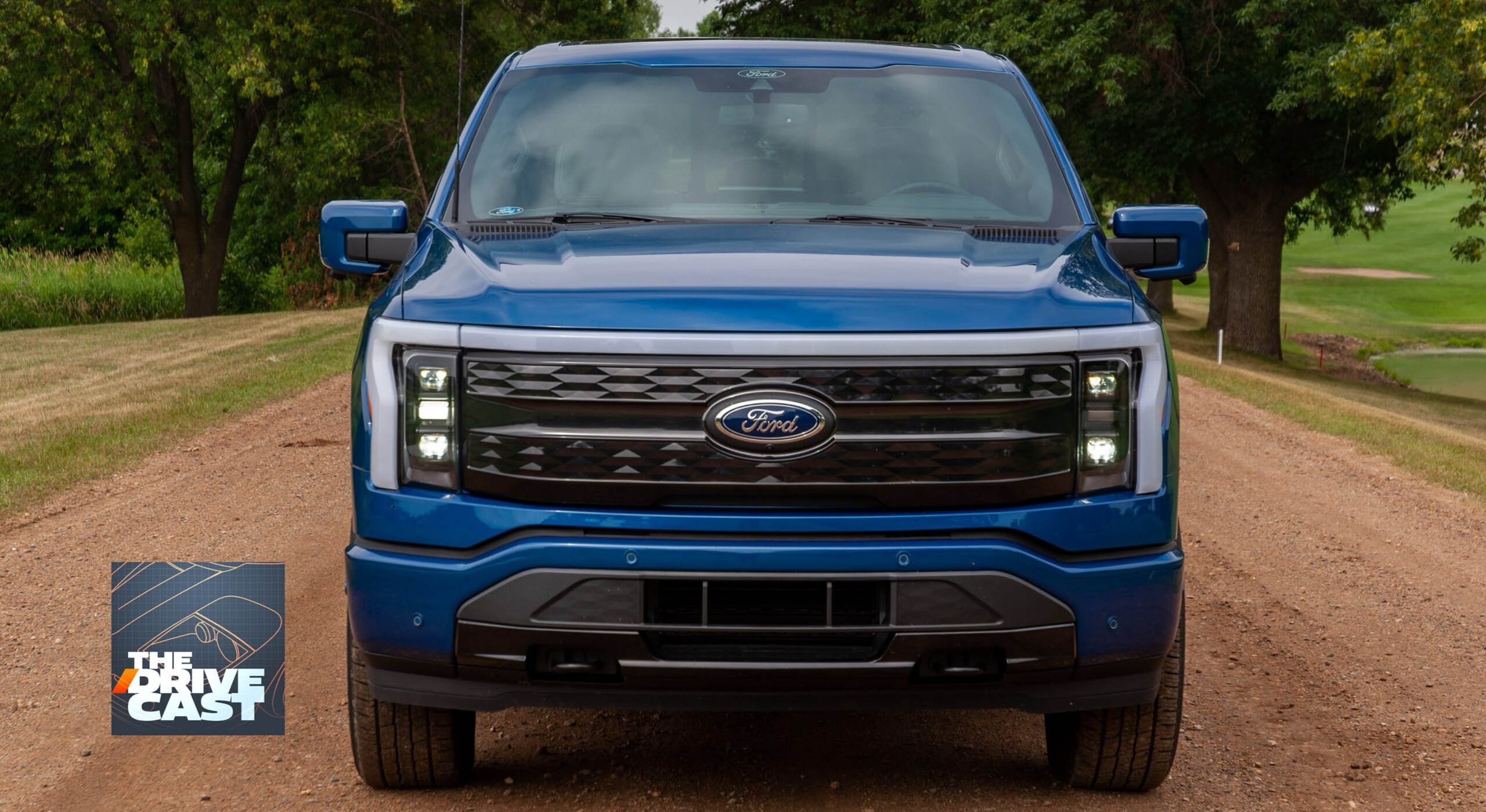


Ford killed the F-150 Lightning. Ram buried its electric truck before it ever reached a single driveway. GM’s Silverado EV is selling at roughly three percent of original projections. The first generation of electric pickups is over, and the scoreboard is brutal.
A few years ago, the trajectory felt inevitable. Ford planted a flag by making an electric F-150 that looked and drove like an F-150, slapping the Lightning name on it and daring America’s best-selling vehicle to go electric. GM countered with a dedicated platform, massive battery packs, and range numbers designed to eliminate anxiety.
Ram promised a 500-mile beast with a battery pack north of 250 kilowatt-hours that would have tipped the scales near 10,000 pounds. None of it worked the way anyone planned.
Ford pulled the plug on the Lightning. Ram’s electric truck, originally called the REV, never made it to production. The naming alone tells you how confused things got — the Ramcharger name bounced from range extender to three-row SUV, the REV label migrated from full EV to range extender, and the V8 came back as a mild hybrid before the mild hybrid got axed because enthusiasts didn’t want it.
Nobody outside Stellantis could follow the strategy, and it’s not clear anyone inside could either.
GM stuck with the program longest, but three percent of projected sales isn’t persistence — it’s stubbornness dressed up as commitment. The Ultium platform was supposed to underpin a revolution. Instead it underpins a cautionary tale about building the factory before confirming the demand.
Meanwhile, the companies that actually sold electric trucks in meaningful numbers were the ones Detroit spent years dismissing. Rivian built a lifestyle brand around a genuinely capable midsize truck. Tesla delivered the Cybertruck — a polarizing stainless steel wedge that nonetheless moved units.
Neither followed the traditional playbook, and both survived where legacy automakers stumbled. The pattern is hard to ignore.
Detroit’s first instinct was to supersize everything: bigger batteries, longer range, maximum towing, premium pricing. The result was trucks that cost too much, weighed too much, and solved problems most buyers didn’t actually have. The arms race produced impressive spec sheets and catastrophic business cases.
Now round two is taking shape, and the approach has flipped almost entirely. The next crop of electric trucks is smaller, lighter, less powerful, and dramatically cheaper. Smaller battery packs mean lower costs and less weight.
Reduced capability means reduced sticker shock. The bet is that most truck buyers don’t need to tow 10,000 pounds — they need something that handles dump runs and commutes without burning $100 in gas every week.
That’s a more honest reading of the market than anything the first generation offered. But it raises its own uncomfortable question: if you strip away the range, the towing capacity, and the size that defines what a truck is supposed to be, are you still selling a truck? Or are you selling a compromise with a bed?
The charging infrastructure remains spotty outside major metros. Cold weather still hammers range. Rural buyers — the ones who treat trucks as tools, not statements — still can’t reliably charge at home or on the road in many parts of the country.
Automakers are also hedging in every direction simultaneously. Range extenders, plug-in hybrids, resurrected V8s, and EREVs are all on the table because nobody wants to make another billion-dollar bet on a single powertrain. The confidence that marked the Lightning’s launch event in San Antonio, where journalists towed 7,000-pound trailers up highway on-ramps and marveled at instant torque, has been replaced by corporate caution and spreadsheet anxiety.
The first generation of electric trucks proved the technology works. Instant torque is real, off-road capability is genuine, and the driving experience is excellent by nearly every account. What they failed to prove is that anyone can build one profitably and sell it at a price the market will bear.
Round two has to answer that question, or there won’t be a round three.
Share this Story