
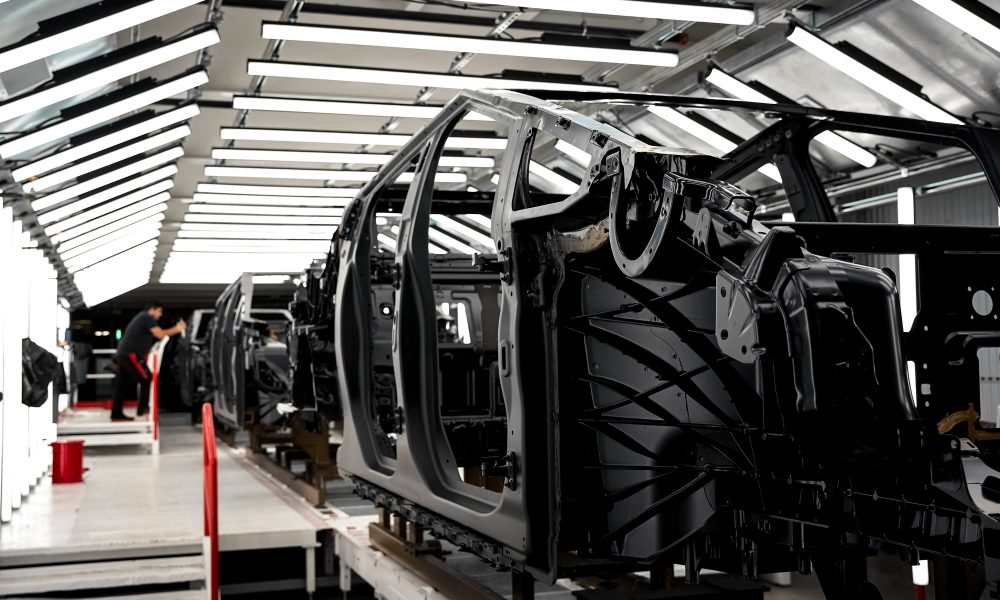


Tesla’s cars are now listening to themselves on the assembly line. VP of Engineering Lars Moravy revealed that vehicles rolling off the Gigafactory Texas production line autonomously drive themselves through a bumps, squeaks, and rattles course while onboard cabin microphones scan for anything loose, misaligned, or improperly installed.
The company is calling the broader ambition “Full Self-Hearing,” an AI system trained to detect minor acoustic imperfections before a car ever reaches a customer. It’s a clever bit of branding that mirrors the Full Self-Driving nomenclature Tesla has spent a decade drilling into public consciousness.
The timing is not accidental. Tesla just reported 480,126 deliveries for Q2 2026, crushing Wall Street’s consensus of 406,000 by more than 15 percent. When you’re shipping nearly half a million cars in a single quarter, the margin for sloppy fit and finish shrinks fast. One bad batch at that volume becomes a logistics and reputation nightmare.
Build quality has dogged Tesla since the Model 3 ramp in 2017 and 2018, when panel gaps wide enough to slide a credit card through became a running joke among enthusiasts and critics alike. The company has made genuine progress since then. Megacastings simplified body structures, and paint quality improved markedly at Austin, but complaints never fully disappeared.
No automaker achieves perfection, but Tesla’s premium pricing makes every rattle feel personal to the buyer.
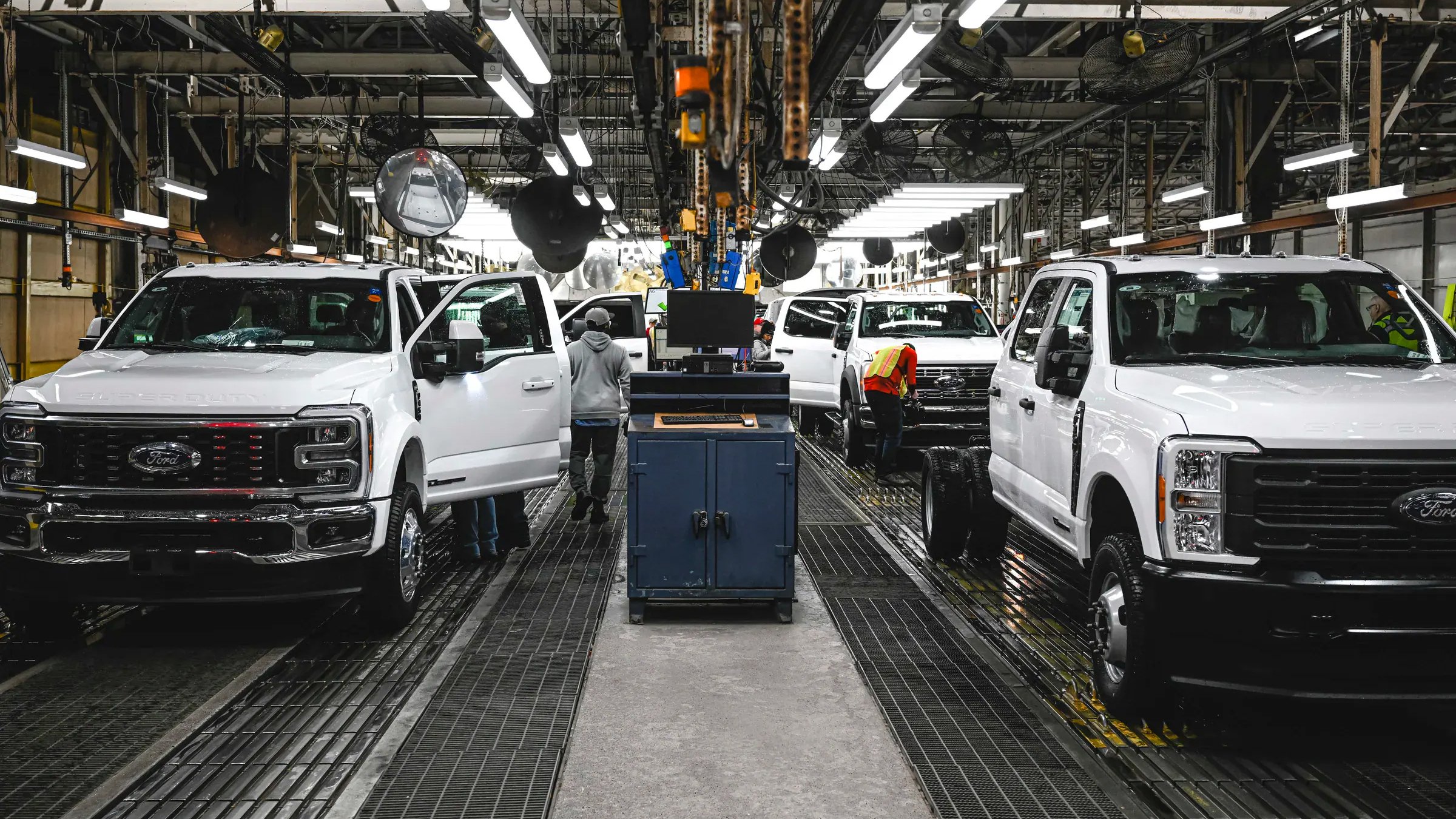
Using cabin microphones for quality control isn’t entirely new territory in the industry. Ford already deploys acoustic analysis AI to flag anomalies in seat motors and HVAC units. Tier-one suppliers have been running microphone arrays at end-of-line stations for years.
What separates Tesla’s approach is the integration. Cars drive themselves through the test course while simultaneously running AI-powered audio diagnostics, no human driver or technician required at the wheel.
It’s a natural extension of what Gigafactory Texas has been doing for a while now. Teslas have been autonomously navigating the factory grounds as part of production logistics. Layering acoustic quality control on top of that autonomous movement turns the car into its own inspector.
Moravy’s revelation also highlights a broader strategic pivot at Tesla. The company is increasingly pushing its AI stack, originally built for autonomous driving, across manufacturing, robotics, and now quality assurance. The same neural network architecture powering Full Self-Driving on public roads is being repurposed to hear a loose trim clip at three miles per hour on a factory test track.
Whether “Full Self-Hearing” delivers on its promise depends on training data and edge cases, just like FSD itself. A microphone can catch a rattle, but it can’t feel a misaligned door seal or spot an uneven paint blend. Acoustic analysis is one layer in what needs to be a multi-sensor quality regime.
Still, the approach reflects a company that understands its biggest vulnerability. Tesla doesn’t lose many arguments on performance, range, or technology. It loses them in the service bay, where a customer hears a creak on day two and wonders whether a $50,000 car should sound like that.
At 480,000 deliveries a quarter and climbing, with the Model S and X now officially sunset and the Cybercab ramping toward production, Tesla can’t afford to let quality slip backward. Automating the hunt for every squeak and rattle is less a luxury than a necessity when your factory floor is pushing cars out at that pace.
The real test comes at the customer’s driveway. That’s where every automaker’s quality promises either hold up or fall apart, and no amount of clever branding changes that.
Share this Story