
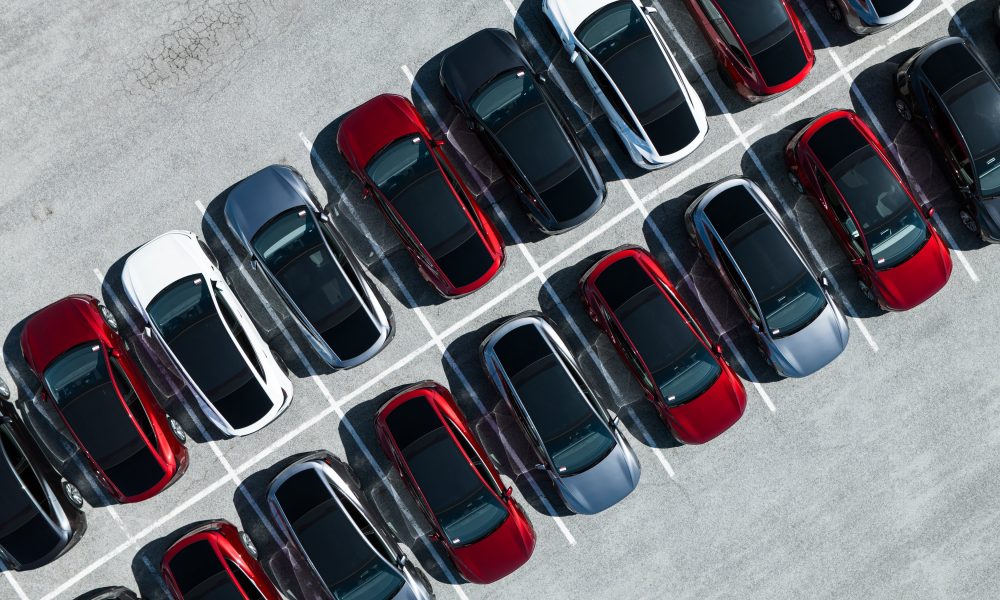


Tesla delivered 480,126 vehicles in the second quarter of 2026, a 25 percent year-over-year surge that obliterated Wall Street estimates by nearly 80,000 units. The bears who banked on the death of the $7,500 federal EV tax credit to crater demand got their answer. But the same week Tesla was celebrating its best delivery number in two years, it was also fielding a manslaughter charge tied to its Full Self-Driving software, the first fatal crash involving a Tesla Semi, and quietly expanding its Robotaxi fleet into a third state.
That’s a lot of narrative whiplash for one company in one week.
Start with the deliveries. Production hit 451,758 units, meaning Tesla actually delivered more cars than it built, drawing down inventory. That’s a demand signal, not a production dump.
Model 3 and Model Y carried the load, as usual, but the real story is where the demand came from. Europe rebounded hard, fueled by government incentives, corporate fleet mandates, and what Tesla fans diplomatically describe as “easing political headwinds” around Elon Musk. Translation: European buyers stopped punishing the brand for its CEO’s antics.
Rising gas prices didn’t hurt either. The Iran conflict earlier this year spiked fuel costs, and even after oil prices cooled, the sticker shock stuck. Tesla also rolled out cheaper Model 3 and Model Y configurations, a quiet admission that price remains the single biggest barrier to EV adoption despite all the autonomy talk.
Now flip the coin. In Harris County, Texas, a DoorDash driver named Michael Butler has been charged with manslaughter after his Tesla plowed into a home last month, killing a woman named Avila. Butler told investigators the car was in self-driving mode. Tesla’s internal data told a different story: Butler overrode Full Self-Driving, mashed the accelerator to 100 percent, never touched the brake, and never steered away.
Forensic analysis of his phone revealed Google searches in the weeks before the crash complaining that FSD was “too timid” and “not aggressive enough for city driving.” He wanted the system to drive harder. Then he took over and drove it straight into a house.
The Avila family has filed a wrongful death lawsuit against both Butler and Tesla, seeking at least $1 million. Tesla’s data may well clear its technology in this case. But the optics are corrosive.
A driver frustrated with the system’s caution overrides it with fatal consequences, and the family still names Tesla as a defendant. That’s the legal and reputational tax Tesla pays for marketing autonomy as a feature while humans remain behind the wheel.
Meanwhile, in Nevada, a Tesla Semi rear-ended two passenger vehicles stopped at a traffic light on U.S. Highway 50 near Reno, killing two people. Preliminary witness accounts suggest the driver may have fallen asleep. It’s the first known fatal crash involving the electric Class 8 truck, which isn’t even publicly available yet.
And through all of this, Tesla announced its Robotaxi service is live in Miami, covering a 10-to-14-square-mile geofence that includes Miami International Airport. That makes three states — Texas, California, and now Florida — with autonomous ride-hailing operations running commercially. The expansion is real, methodical, and accelerating.
This is the contradiction Tesla lives inside every single quarter. It posts a delivery number that makes analysts look foolish while navigating fatal incidents that test public trust in the very technology it’s scaling fastest. The 480,126 vehicles are a fact. So are the two dead in Nevada and the woman killed in Texas.
No other automaker occupies this space. No other automaker has to. Tesla’s greatest asset and its greatest liability are the same thing: it moves faster than the industry, faster than regulators, and sometimes faster than the humans operating its machines can handle.
Share this Story