
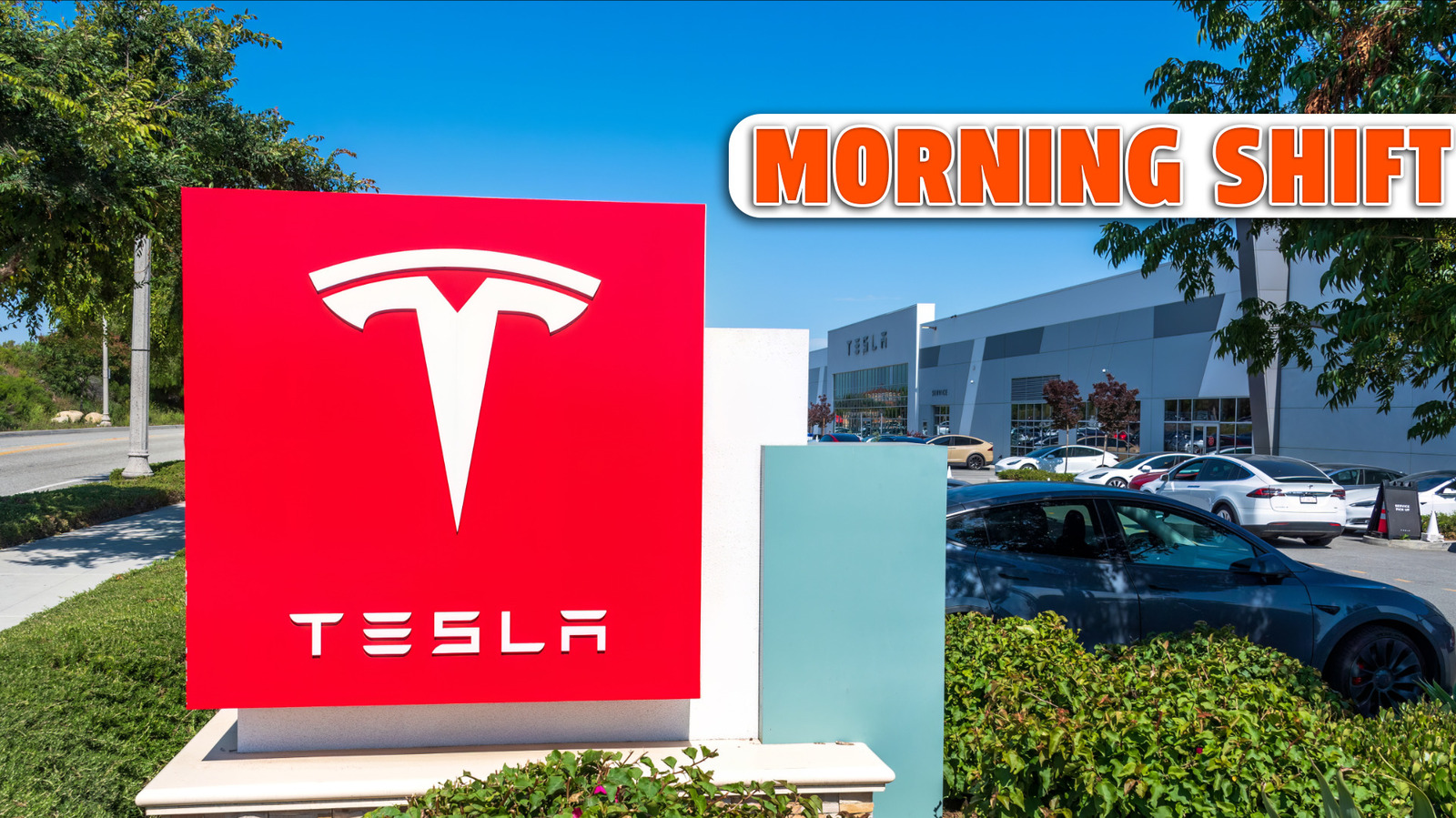


Tesla has resolved the lawsuit stemming from the 2023 death of Johna Story, a 71-year-old woman struck at high speed by a Model Y running Full Self-Driving software on an Arizona highway. The settlement amount was not disclosed.
Story had stepped out of her vehicle to help direct traffic around a multi-car pileup caused by blinding sun glare. Moments later, the Tesla hit her. She became the first known pedestrian fatality linked to the company’s automation technology.
The crash triggered a federal defect investigation by the National Highway Traffic Safety Administration. Story’s daughter filed suit against both Tesla and the driver. Now, without a public trial, without a jury verdict, and without any admission of fault, the case has been closed.
Bloomberg published an investigation last year examining whether sun glare can compromise Tesla’s camera-only automated driving system. The report reconstructed the crash using videos and photos obtained through public records requests. The findings raised pointed questions about the fundamental architecture of a system that relies entirely on cameras — no radar, no lidar — to perceive the world at highway speeds.
Tesla has long insisted that cameras alone are sufficient, that the human visual system proves optical sensors can handle driving. Elon Musk removed radar from Tesla vehicles in 2021 and killed an ultrasonic sensor suite the following year, betting the company’s autonomy future on vision. Johna Story stepped into the path of that bet.
Settling quietly is a well-practiced maneuver. It keeps the details off the public record, prevents the creation of legal precedent, and avoids the spectacle of Tesla engineers testifying about what FSD can and cannot see. For a company that has marketed its software under the name “Full Self-Driving” for years — while burying the disclaimer that it requires active driver supervision — a public trial would have been an uncomfortable exercise in parsing language.
The NHTSA investigation that Story’s death prompted remains a separate matter. Federal regulators have been examining Tesla’s automated driving systems with increasing intensity, though enforcement actions have been slow to arrive. The agency opened a probe into FSD after a series of crashes, and the question of whether Tesla’s marketing of the software constitutes a safety defect has lingered without resolution.
Forty thousand, nine hundred and one people died on American roads in 2023. Story was one of them. The difference is that she was killed by a car whose software was supposedly doing the driving, in a scenario that a human driver — blinded by sun glare — might also have botched. That ambiguity is precisely what makes these cases so difficult and precisely why Tesla would prefer to settle them in silence.
The driver behind the wheel bears responsibility too. FSD is a Level 2 system. The driver is supposed to be paying attention, hands on the wheel, ready to intervene.
Whether that driver was doing so remains unclear, buried now beneath a confidential settlement agreement.
What we know is this: a woman tried to help strangers on a highway, a car running software called Full Self-Driving did not see her, and the company that built that software wrote a check rather than face a courtroom. The size of the check stays secret. The name of the woman does not. Johna Story, 71, of Arizona.
Share this Story