
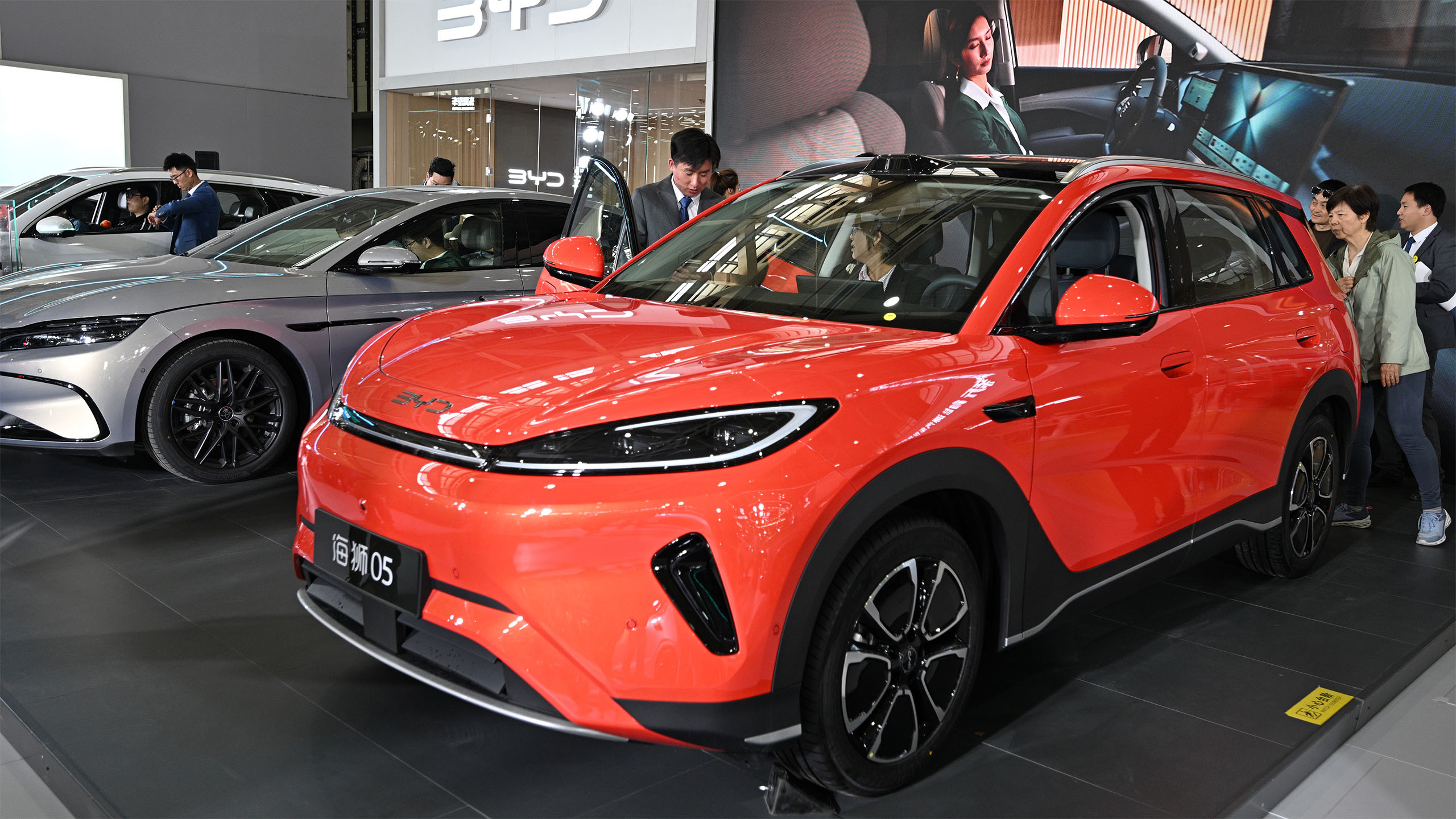


BYD just made a promise with a very short shelf life. China’s largest automaker announced it will assume full financial responsibility for any crash that occurs during proper use of its City Navigation autonomous driving system. The catch: coverage only lasts within the first year of a vehicle’s delivery or its latest “God’s Eye” software update.
After twelve months, you’re on your own.
It’s the kind of move that sounds revolutionary in a press release and far less so under scrutiny. The one-year window doesn’t address the fundamental, unresolved question haunting every company chasing autonomous driving: who is liable when the software fails in year two, or year five, or after a routine update quietly changes how the system behaves? BYD is offering a warranty, not a philosophy.
Still, no major automaker has gone this far. Tesla, which has spent years promising Full Self-Driving capability while burying disclaimers that the driver remains responsible at all times, has never offered anything close. Neither has GM’s Cruise, Waymo, or any Western OEM dabbling in advanced driver-assistance systems.
BYD is staking money on the reliability of its technology in a way its competitors have carefully avoided. The timing is no accident. BYD is aggressively expanding globally and pushing its autonomous tech as a differentiator.
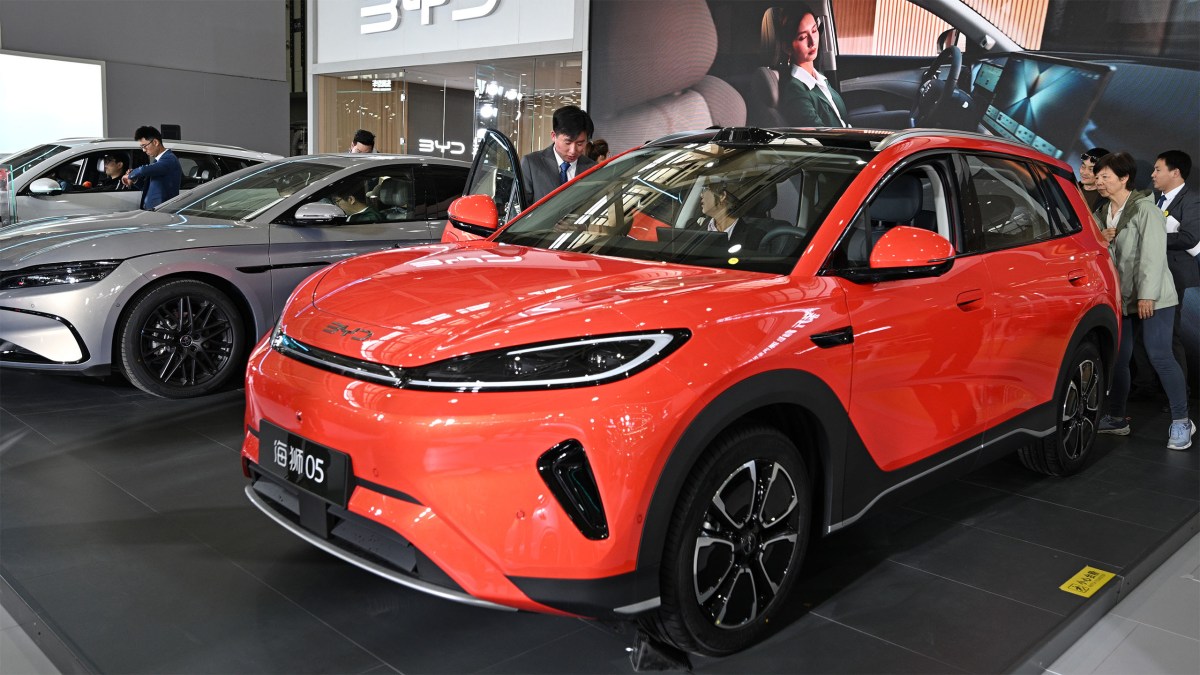
Assuming crash liability, even temporarily, signals confidence to consumers in markets where trust in Chinese automotive brands remains thin. It also puts pressure on rivals to explain why they won’t do the same.
Meanwhile, BYD and other Chinese automakers face an entirely different kind of threat in the United States. Legislation developing in the House would prohibit any automaker from selling cars in the U.S. if a “foreign-adversary government” holds direct or indirect equity interest in the company. The bill reportedly sets the threshold for “control” at just 15% ownership.
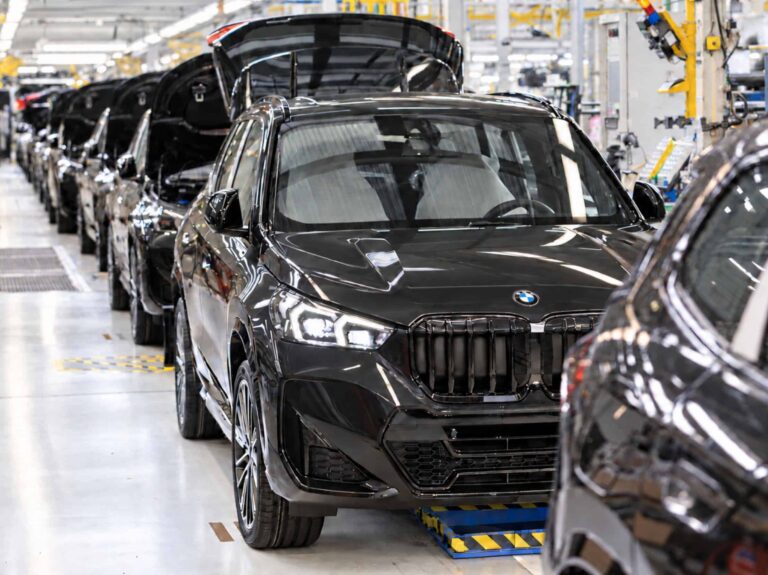
That provision has triggered an unexpected casualty: Mercedes-Benz. Chinese firms BAIC and Geely together hold 19.67% of Mercedes’ parent company. Under the bill’s language as currently understood, that could technically bar one of the world’s most storied luxury brands from the American market.
If legislators intended to target BYD and its Chinese peers, they may have drawn the blast radius wide enough to catch Stuttgart in the crossfire. The proposed law reflects Washington’s deepening anxiety about Chinese influence in the automotive supply chain, from software to ownership stakes to battery technology. But crudely written thresholds risk punishing companies with passive minority investors who exercise no operational control.
Mercedes-Benz is not directed from Beijing. Whether Congress cares about that distinction remains to be seen.
Back in the autonomous driving arena, BYD’s liability pledge reveals the emerging competitive landscape. Chinese automakers are willing to underwrite risk that Silicon Valley and Detroit won’t touch. They’re moving faster on autonomy, faster on electrification, and now faster on accountability, at least in twelve-month increments.
The real test comes when that warranty clock runs out. Software degrades, edge cases multiply, and drivers grow complacent behind systems marketed as autonomous. A year of liability coverage is a marketing instrument, not a safety net.
But in an industry where nobody else is willing to put even that much skin in the game, BYD has found a way to make its competitors look timid by comparison. Whether the promise holds up on the road, or in court, is another matter entirely.
Share this Story