
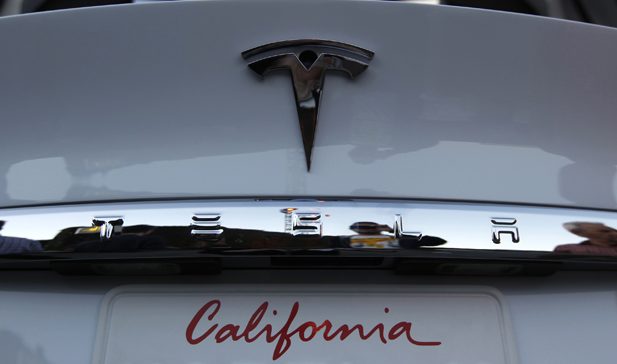


California launched its MyFirstEV incentive program on August 3, offering first-time electric vehicle buyers $3,500 off a new purchase or $1,750 off a used one. Fourteen automakers signed up. Tesla is among them.
The structure is unusual. California covers half the incentive, and the participating manufacturer covers the other half. Every $3,500 discount costs the state $1,750 and costs the automaker $1,750, a cost-sharing arrangement that ties public money directly to manufacturer participation.
The state has set aside $135.5 million and expects to incentivize more than 73,000 zero-emission vehicles before the money runs out. Deliveries must happen while funds remain, so the program operates on a first-come basis. There is no guaranteed end date, just a guaranteed spending cap.
For new vehicles from automakers not headquartered in California, the MSRP ceiling is $50,000. That limits qualifying models to mainstream EVs. Tesla, headquartered in Austin since 2021, falls under that cap, which means only Model 3 and Model Y qualify.
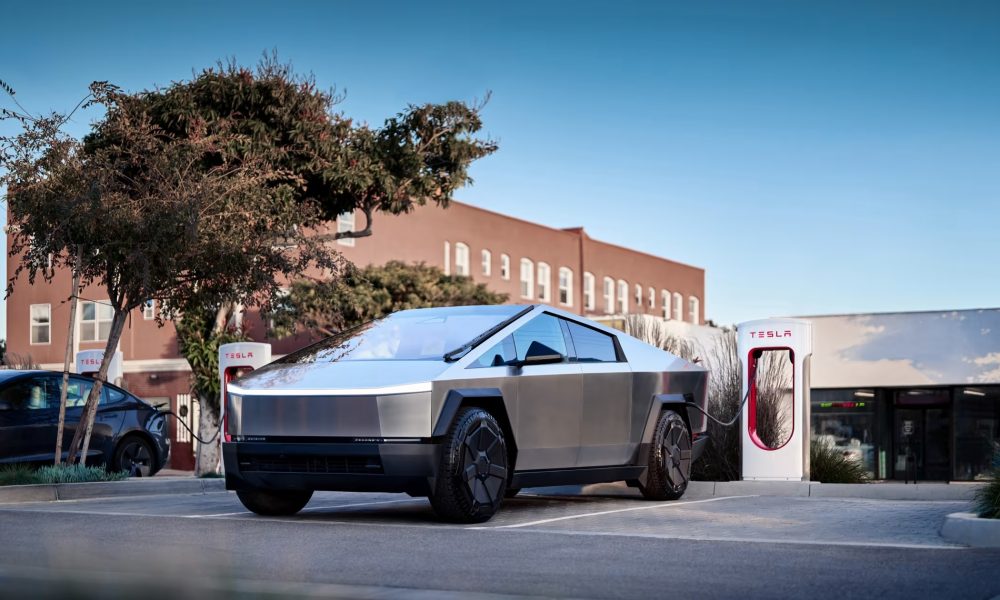
The Model S, Model X, and Cybertruck are all priced out. Used EVs must cost $25,000 or less and be at least two model years old. They must also be certified pre-owned vehicles sold through manufacturers, not private dealerships.
Chevrolet, Ford, Hyundai, Kia, Lucid, and Tesla all launch in August. Honda, Lexus, Subaru, Toyota, and Volvo follow in September or later. Nissan and Rivian are listed as “coming soon.
The timing here matters. Federal EV tax credits have been a political football for years, and their future remains uncertain heading into another election cycle. California is building its own parallel incentive structure, one that does not depend on Washington and puts the burden partly on manufacturers willing to play along.
For Tesla specifically, qualifying is a strategic win. The Model Y is already the best-selling vehicle in California, gas or electric, and a $3,500 point-of-sale discount removes one of the last friction points for hesitant first-time buyers. Tesla does not do traditional advertising, so a state-subsidized incentive program does some of that work for free.
The $50,000 MSRP cap for non-California-headquartered automakers is a detail worth watching. It applies to Tesla but would not apply to Lucid, which is headquartered in Newark, California. Whether that distinction creates any competitive wrinkle depends on how Lucid prices future models.
The bigger question is how fast $135.5 million disappears. At $1,750 per vehicle in state funds for new purchases, the math allows for roughly 77,000 new-vehicle incentives if every dollar went to new cars. Blending in used vehicles at $875 per state contribution stretches it further, and California’s estimate of 73,000 total vehicles suggests a mixed scenario.
Fourteen manufacturers voluntarily agreeing to split costs with a state government does not happen without a business case. Every one of those companies looked at the numbers and decided that paying $1,750 per vehicle to move inventory in California was worth it. That tells you where the EV market stands right now: demand needs a push, and both Sacramento and Detroit are willing to pay for it.
Share this Story