
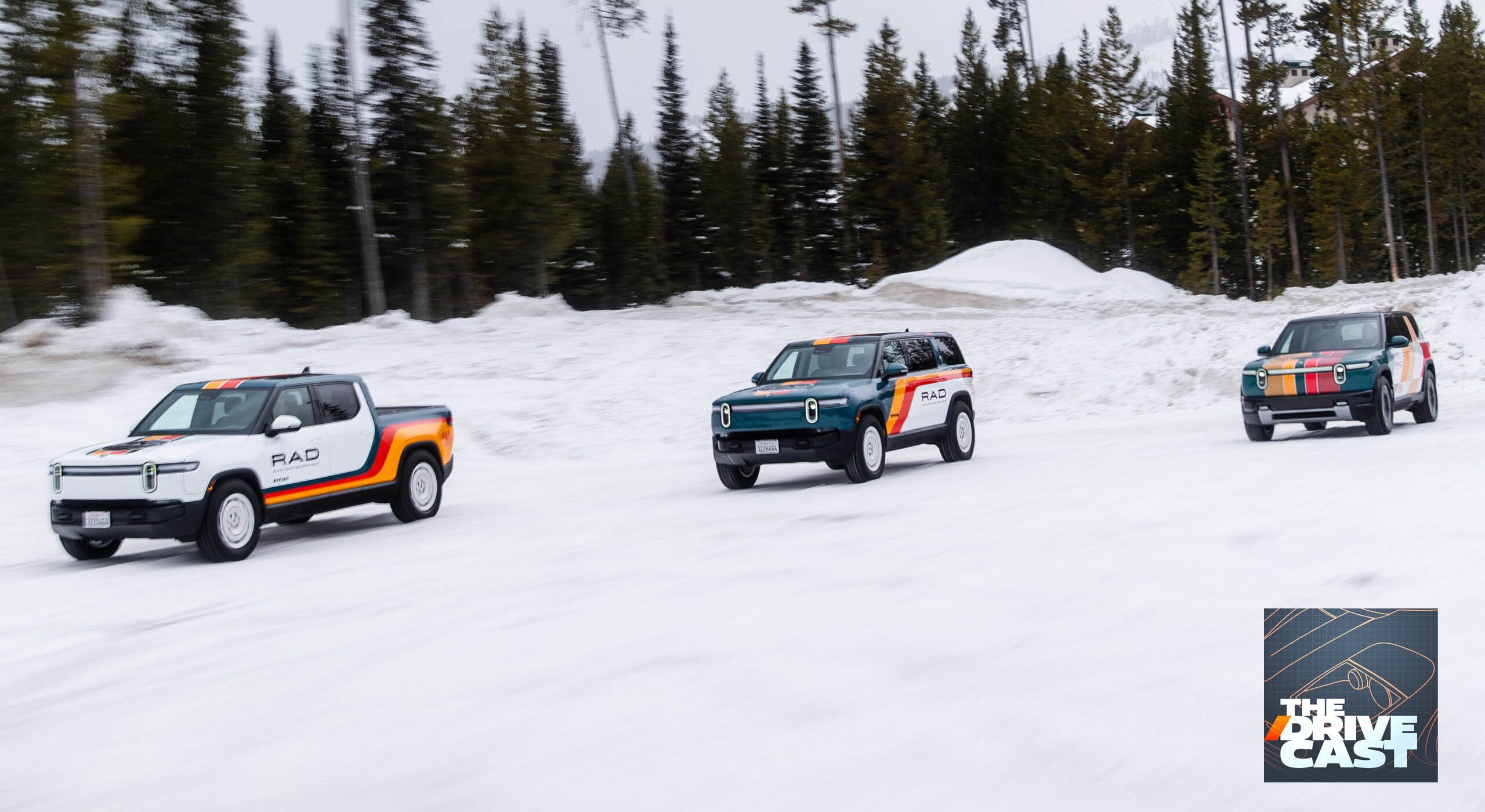


Rivian CEO RJ Scaringe isn’t hedging. In an extensive sit-down with The Drive’s Joel Feder in Park City, Utah, Scaringe laid out a timeline that leaves zero room for ambiguity: the R2 compact SUV, which begins deliveries this week, will show vehicle-level profitability by the fourth quarter of 2025.
That’s an aggressive call for a company that has never posted a net profit or achieved positive cash flow.
Scaringe frames all those years of red ink not as failure but as deliberate front-loading. Rivian vertically integrated nearly every technically critical system—motors, inverters, gearboxes, power electronics, software—and simultaneously built out its own sales, service, and distribution infrastructure from scratch. The R2’s volume is supposed to be the payoff that makes all of it make sense.
Production starts at the Normal, Illinois plant with roughly 160,000 units of annual R2 capacity. A new Georgia factory follows in two phases, each around 300,000 units, building not just R2 but also the R3 and what Scaringe teased as “a bunch of cool variants.” He caught himself mid-sentence, clearly getting ahead of his own communications team.
On reservations, Scaringe played it close. The last public number was just under 70,000, disclosed roughly 20 hours after the R2’s reveal event in March 2024. Pressed on whether the current figure exceeds 200,000, he declined to confirm on the record—but notably didn’t deny it.
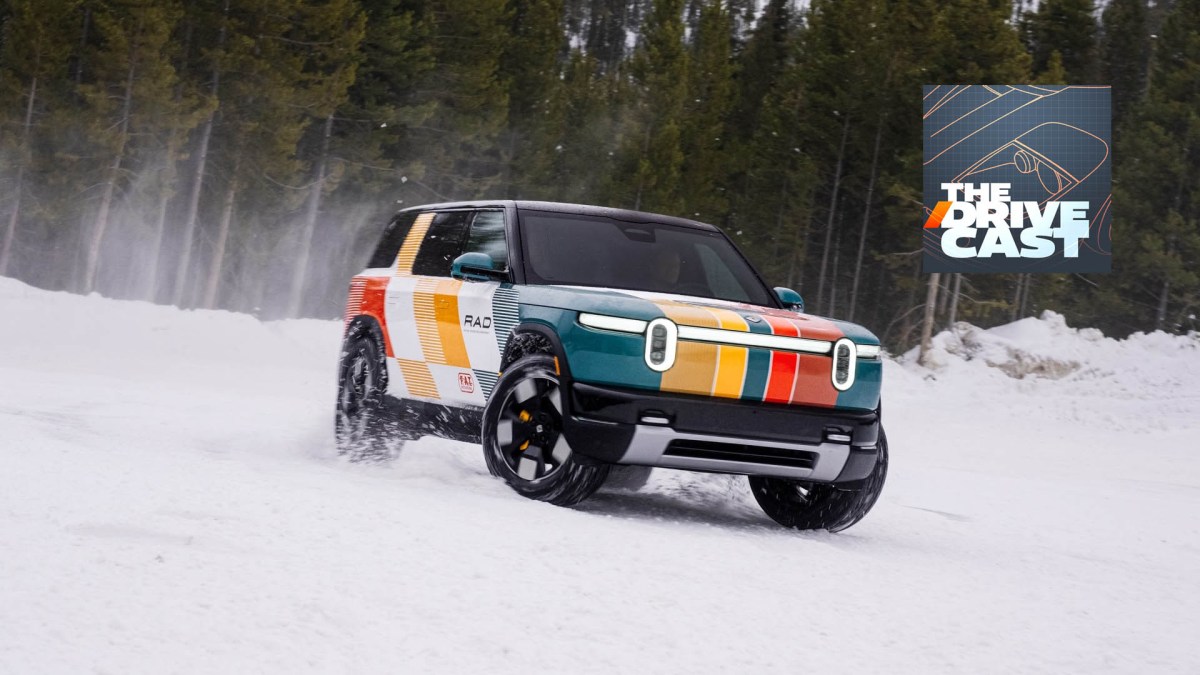
The conversion math is where things get tricky. Scaringe acknowledged that even small swings in the percentage of reservation holders who actually buy create massive ripple effects on delivery windows. Rivian simplified the launch with a single launch edition to manage the chaos, a lesson learned from the R1 ramp where backlog management proved painful.
Service is the scar tissue Scaringe is most willing to show. He admitted that in some markets, wait times for non-critical repairs ballooned to 40 or even 50 days. Building new service locations takes 9 to 18 months between site selection, construction, and permitting, and Rivian simply couldn’t keep pace with demand in key cities.
He says those wait times are now down to a couple of days across all locations, and that the network is ready for R2 volumes. Reddit and forum veterans might raise an eyebrow, but Scaringe compared the growing pains to what Toyota likely endured in the 1960s—except nobody had social media to document it in real time.
The comparison to Volvo is instructive. Volvo’s CEO recently told Feder that the EX60, starting around $60,000, is profitable from car one. Rivian’s R2 starts lower and arrives from a company with far less manufacturing maturity. Reaching profitability by Q4 on a vehicle basis—not a company basis—is a distinctly different claim, and Scaringe was careful with that distinction.
He also dropped a breadcrumb about the R4, calling it “very cool,” and hinted that RAD-branded performance variants are coming for enthusiasts. Details were thin, deliberately so.
Rivian has spent four years and billions of dollars building the scaffolding. The R2 is the building that’s supposed to justify it. Scaringe knows it, his investors know it, and now, with deliveries starting, customers will decide whether the math actually works. Q4 is seven months away.
Share this Story