


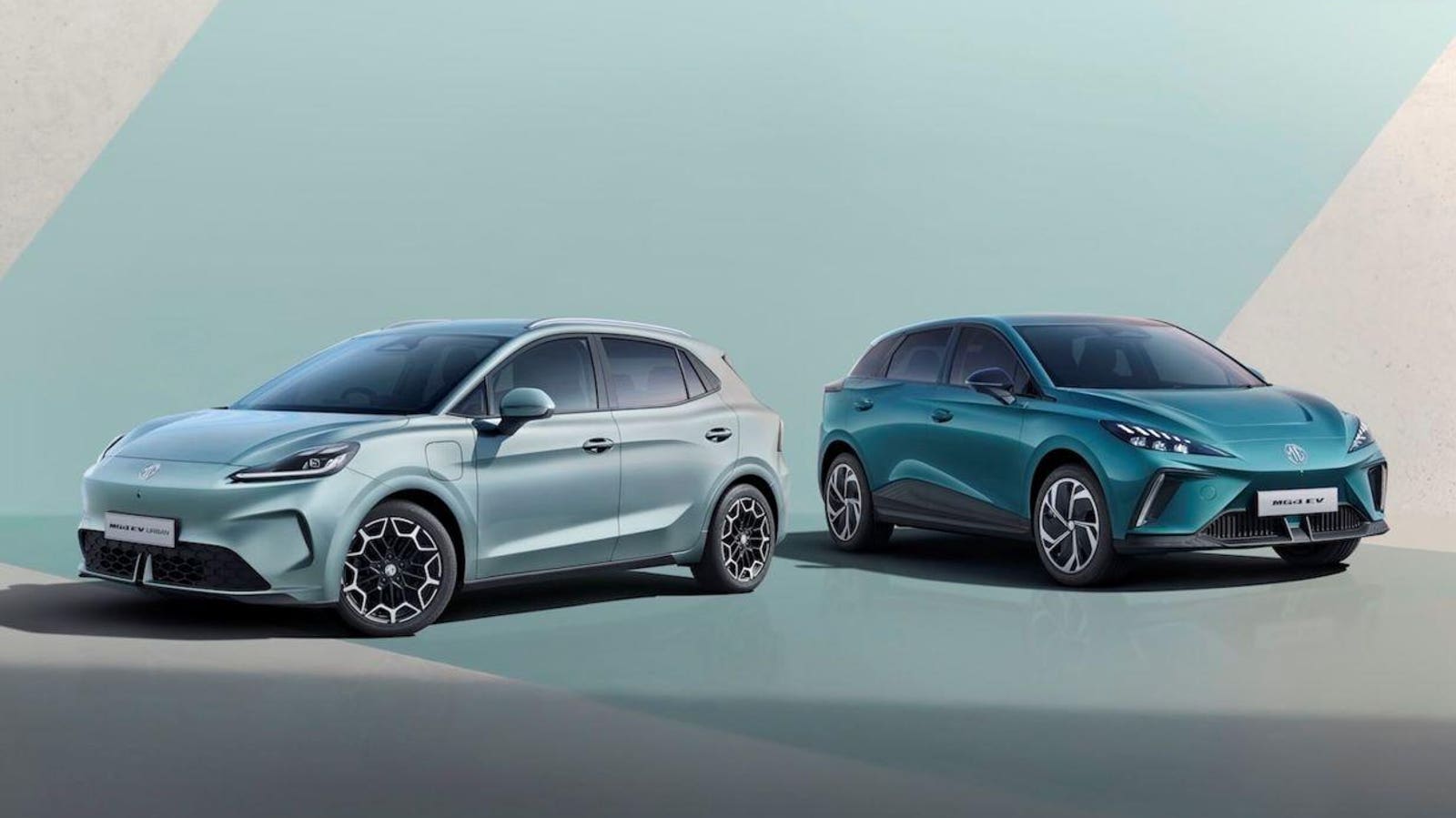
A century-old British badge, now wholly owned by Shanghai’s SAIC, is about to ship the first semi-solid-state battery pack into European showrooms. The vehicle carrying it is the MG4 Urban, a front-drive electric hatchback that starts at around $26,000 in the UK. Not exactly the technological flagship you’d expect for a battery breakthrough.
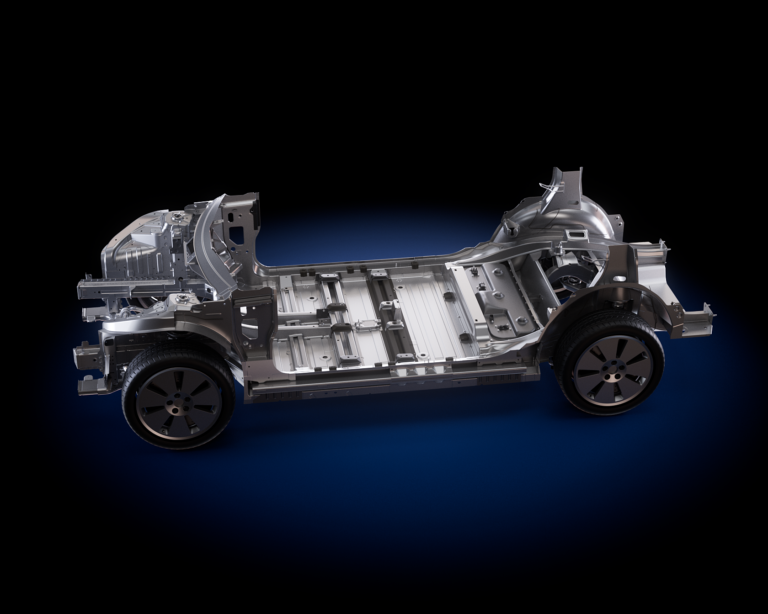
MG’s “SolidCore” pack, built by SAIC partner QingTao, cuts the liquid electrolyte content from the typical 20 percent down to just five percent. The chemistry is Lithium-Manganese-Oxide, and it slots into the same MG4 platform that already runs a conventional Lithium Iron Phosphate pack. Buyers will be able to choose either battery in the same car, which alone tells you something about how revolutionary this actually is.
At a technical event in Frankfurt last week, MG’s chief battery scientist Li Zheng declined to share European-spec capacity figures but confirmed the SolidCore pack will deliver roughly the same 54 kWh as the existing LFP unit. Weight savings are marginal. The gains are elsewhere: up to 15 percent faster peak charging in sub-zero temperatures, better power output at low state-of-charge, and a meaningful reduction in thermal runaway risk if the pack is punctured.
Those are real improvements. They are not the quantum leap that the phrase “solid-state” has promised the industry for the better part of a decade.
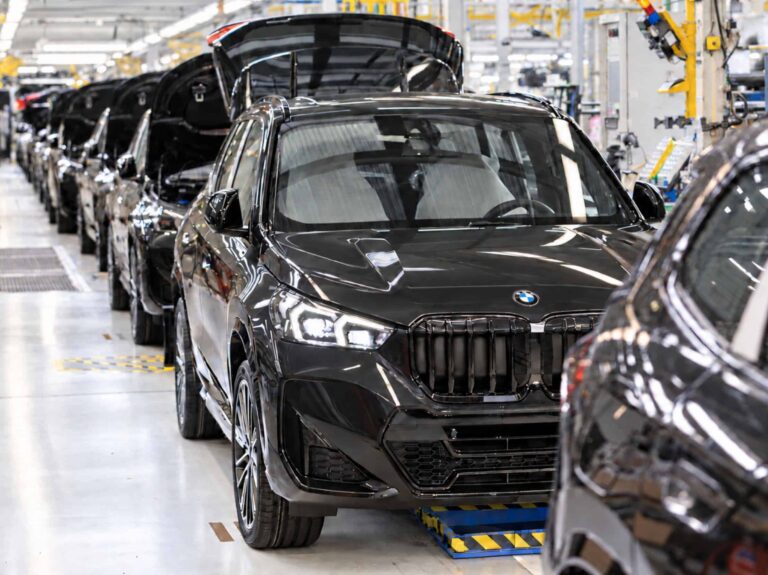
Semi-solid-state occupies an awkward middle ground. It borrows the language and some of the architecture of full solid-state technology without delivering the headline numbers — the 30 to 50 percent energy density gains, the 80 percent faster charging, the radical weight reduction. BMW has publicly staked its solid-state ambitions on swinging the EV market back toward Europe.
Toyota has poured billions into the same goal. Neither has put a production cell into a car anyone can buy. MG gets there first, sort of, with a budget hatchback that charges a little better when it’s cold outside.
The SolidCore pack has already appeared in roughly 2,500 Chinese-market MG4s, so this is not entirely virgin territory. The European rollout, slated before year’s end, will push volumes significantly higher and give SAIC bragging rights it clearly wants. Other SAIC brands will get semi-solid-state packs too, some promising more dramatic performance gains than the MG4 delivers.
None of this reaches America anytime soon. Chinese-built EVs face steep tariff walls and tepid federal enthusiasm, and semi-solid-state technology remains exclusive to SAIC’s supply chain for now.
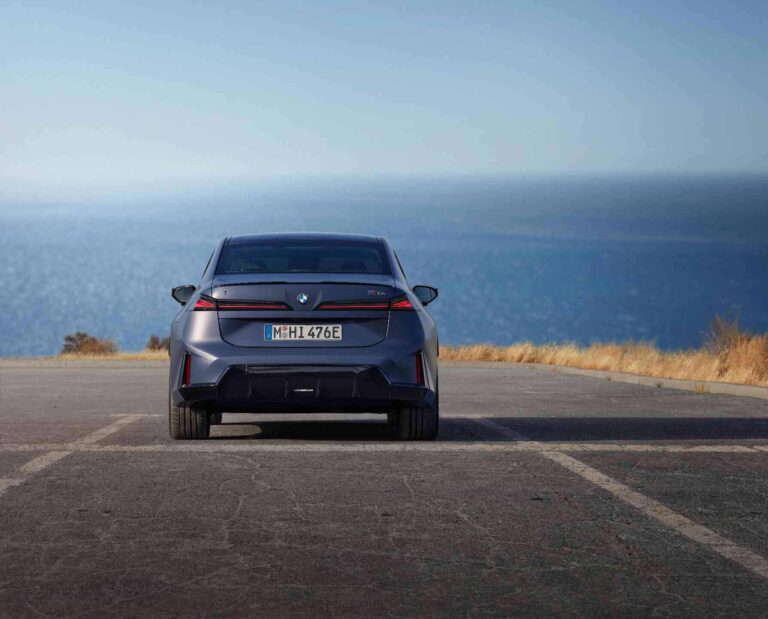
The uncomfortable truth for MG — and for every company chasing solid-state — is that conventional battery chemistry refuses to stand still. NMC packs are getting denser and cheaper every year. The BMW i3 just landed with a 109 kWh NMC pack, 440 miles of EPA range, and 400 kW DC fast charging. Those are numbers that were supposed to belong to the solid-state future, and they’re arriving in a car with entirely conventional cell chemistry.
MG’s Frankfurt engineering center is tailoring the SolidCore system for European climates, road conditions, and regulations, part of the brand’s “in Europe, for Europe” positioning. That strategy makes political sense given the trade tensions swirling around Chinese EV imports. Whether it makes technological sense is another question.
Being first matters in marketing. It matters less in engineering if the product you’re first with doesn’t change the game. The MG4 Urban with SolidCore will be a perfectly competent small EV that handles Nordic winters slightly better than its LFP sibling. It will not rewrite the rules of electric mobility.
The real race — full solid-state, mass-produced, in a car people actually line up to buy — remains unfinished. MG planted a flag, but it’s on the wrong summit.
Share this Story