
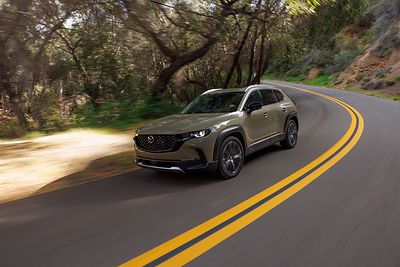


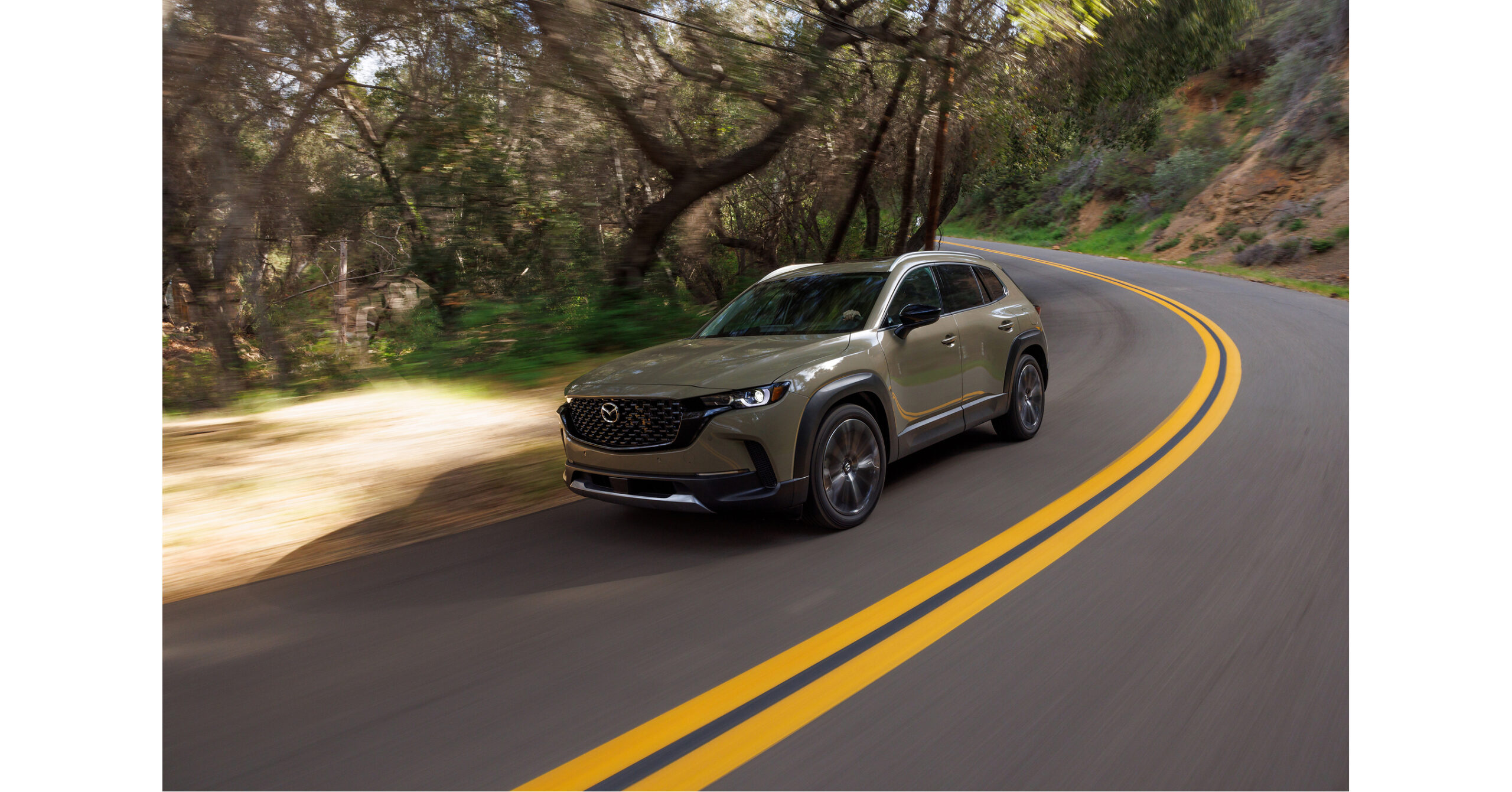
Mazda moved 39,180 vehicles in the U.S. during July, a 13 percent decline from the same month last year. The year-to-date picture isn’t much prettier, with 241,014 units sold through seven months, down 5.6 percent. For a brand that spent the last few years riding crossover momentum, the numbers tell a story of a lineup starting to cool off in almost every segment that matters.
The truck and SUV side of the ledger, which accounts for nearly 88 percent of Mazda’s total volume, fell 18 percent in July. The CX-5, still the brand’s bread and butter, dropped 22.3 percent to 12,068 units. The CX-50 slid 15.3 percent.
The three-row CX-90, once Mazda’s great white hope for conquesting luxury buyers, tumbled 28.3 percent to 4,831 units. The smaller CX-70 fared no better, down 25.8 percent.
Mazda tried to frame some of this as glass-half-full territory. The CX-90 MHEV variant posted its best July ever. But carving out a single powertrain sub-trim as a highlight while the nameplate as a whole sheds more than a quarter of its volume is the kind of press release math that fools nobody.
The genuine surprise buried in this report is the Mazda3. The compact sedan and hatchback, a segment most automakers have either abandoned or left to wither, surged 87.5 percent in July to 3,903 units. Year to date, the Mazda3 is up 28 percent.
The hatchback variant alone jumped 77.4 percent for the month. In a market where sedans and small cars are supposedly dead, someone forgot to tell Mazda3 buyers.
Part of the explanation may be price. As crossover transaction prices have crept higher and interest rates have stayed stubborn, a well-equipped Mazda3 looks like a rational alternative to a loaded CX-30 or base CX-50. The CX-30 itself was down 33.2 percent year to date, suggesting some internal cannibalization might actually be running in reverse, with buyers trading down from small crossovers into the car.
Certified pre-owned sales also hit a record for July, with 7,123 units representing a 13.6 percent increase. That number points to a healthy used-car pipeline, but it also hints that price-sensitive shoppers are finding Mazda’s new-vehicle stickers harder to swallow.
Mexico operations weren’t immune either. Mazda Motor de Mexico reported 8,847 units in July, a 10 percent decline, though year-to-date volume south of the border remains up 2 percent.
The broader pattern here is unmistakable. Mazda bet heavily on moving upmarket with the CX-70 and CX-90, pricing them into near-luxury territory with inline-six engines and premium interiors. That strategy delivered early adopter volume when the vehicles launched.
Now the conquest wave has receded, and both nameplates are posting double-digit declines. The CX-90 is down 25 percent on the year. The CX-70 is off 28.1 percent.
Meanwhile, the humble Mazda3, a car Mazda never talks about at auto shows, is quietly putting up the kind of growth numbers the rest of the lineup can’t match. It won’t save the brand’s volume trajectory on its own. But it raises an uncomfortable question about whether Mazda’s premium ambitions have outpaced what its customer base is willing to pay.
The MX-5 Miata continues to exist in its own little universe, essentially flat year to date at just under 6,000 units. Nobody buys a Miata because of market conditions. They buy it because it’s a Miata.
Mazda has 795 dealers across the continent watching these numbers closely. The lots aren’t empty, but the foot traffic is pointed in a different direction than the product plan anticipated.


Share this Story