
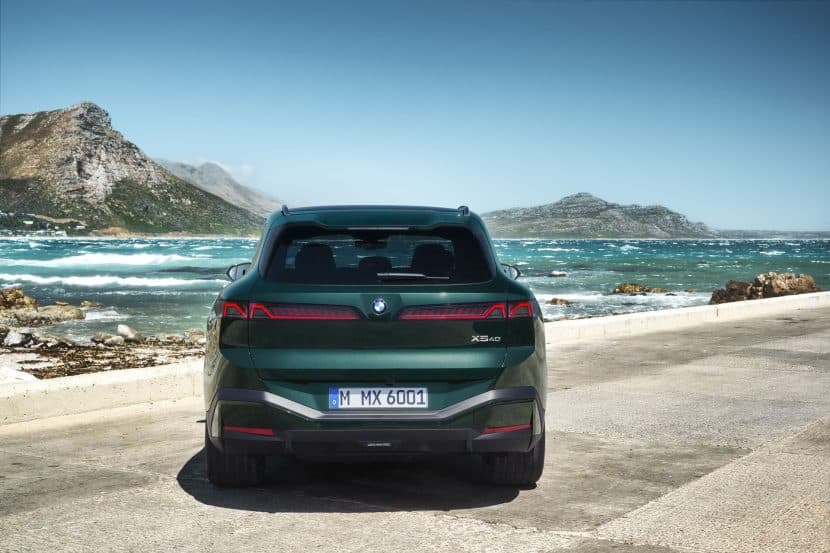


A rear-wheel-drive luxury SUV in 2027 sounds like a contradiction. It isn’t. BMW is launching the new G65-generation X5 with a rear-drive variant, the X5 40, priced at $71,250 including destination.
That’s $2,300 less than the xDrive all-wheel-drive model and the cheapest way into the new fifth-generation X5 lineup. The interesting part isn’t the price gap. It’s the performance parity.
BMW claims the rear-wheel-drive X5 40 hits 60 mph in 5.1 seconds, identical to the xDrive version. Factor in the one-foot rollout that American car magazines love, and the number drops to 4.8 seconds. Both versions top out at an electronically limited 155 mph, so the all-wheel-drive hardware buys you exactly zero acceleration advantage.
Both models share the same updated B58 turbocharged 3.0-liter inline-six with mild-hybrid assist running the Miller cycle. Output is 394 horsepower and 428 pound-feet of torque, up 19 hp and 45 lb-ft over the outgoing model thanks to a new turbocharger. Those are serious numbers for what BMW positions as the entry-level powertrain.
BMW hasn’t published curb weights for the U.S.-spec G65 yet, but the European xDrive model tips the scales at 5,048 pounds without a driver. The rear-drive version should come in lighter, shedding the transfer case and front driveshaft hardware. That weight savings likely explains why the X5 40 keeps pace with its all-wheel-drive sibling despite sending power to only two wheels.
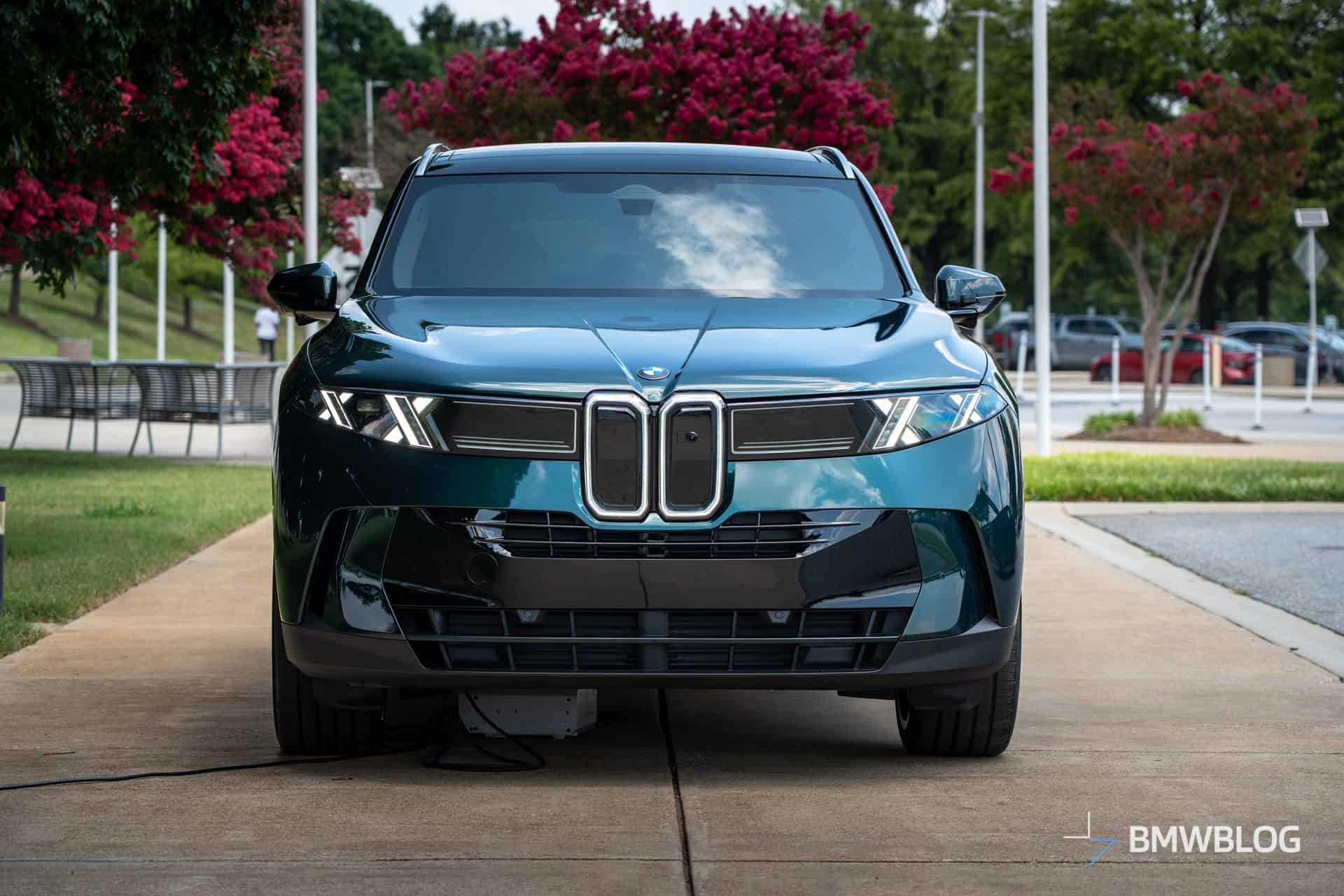
There’s a catch for early adopters. The X5 40 won’t be available when the G65 launches in October. Only the xDrive model rolls out first, with BMW saying rear-wheel-drive deliveries begin in the first quarter of 2027, meaning anyone who wants the lighter, cheaper, purist-friendly version has to wait a few extra months.
The X5’s rear-drive history is shorter than most people realize. The first two generations, the E53 and E70, were xDrive-only affairs. It wasn’t until the F15 generation arrived in 2013 that BMW offered an sDrive35i, and the G05 continued with the sDrive40i. The G65 carries that torch, though BMW has dropped the “sDrive” nomenclature in favor of simply calling it the X5 40.
This move fits a broader pattern at BMW. The X3 20 sDrive is available in some markets without all-wheel drive, and the new electric iX3 40 sends power exclusively to the rear axle. BMW’s Neue Klasse architecture uses a rear-mounted motor as standard, which means future electric SUVs could also skip xDrive in base trim.
In a segment where nearly every competitor defaults to all-wheel drive and charges accordingly, BMW is quietly making a different bet. Rear-wheel drive in a three-row luxury SUV isn’t nostalgia. It’s a calculated play for buyers in Sun Belt states and mild climates who don’t need the extra traction and would rather pocket the savings or enjoy marginally better fuel economy.
The real question is whether American buyers will actually order it. The U.S. market has spent two decades convincing itself that all-wheel drive is essential, even on vehicles that never leave pavement. BMW is gambling that at least some customers will look at identical acceleration numbers, a lower price, and presumably better efficiency, and make the rational choice.
That’s a bet worth watching.

Share this Story