
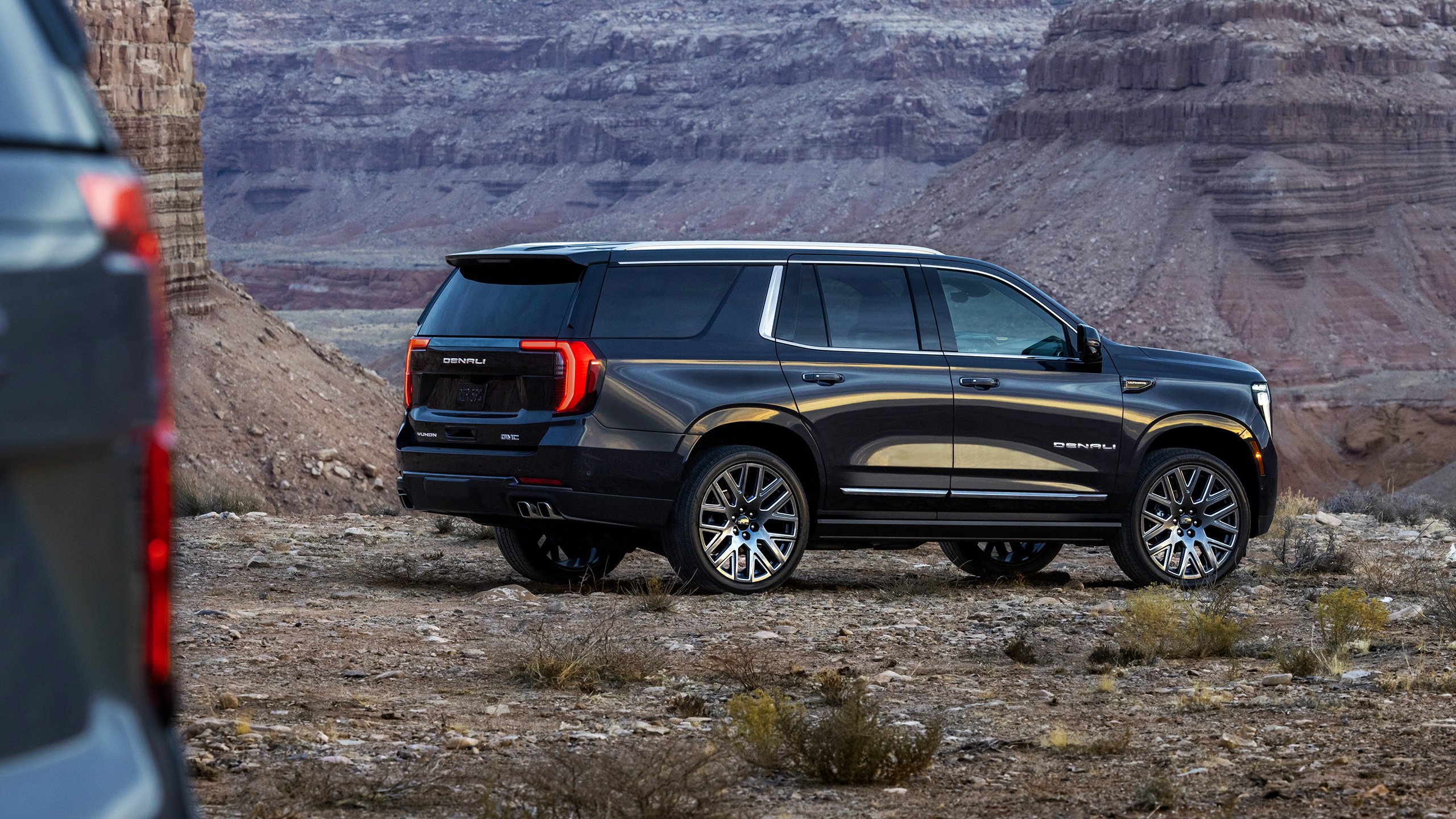


Nearly a million GM trucks and SUVs are now under federal scrutiny after the National Highway Traffic Safety Administration expanded its investigation into the L87 small-block V8 engine. The probe covers model years 2021 through 2026, spanning the Chevrolet Silverado, GMC Yukon, Cadillac Escalade, and other vehicles in GM’s full-size lineup.
The issue isn’t new. GM has already issued recalls aimed at fixing persistent engine failures in these trucks. What prompted NHTSA to escalate from a preliminary evaluation to a full engineering analysis is that owners keep reporting problems even after the fixes were applied.
That’s the part that should make GM executives uncomfortable. A recall is supposed to close the book on a defect. When the agency comes back and asks whether your remedy actually worked, the conversation has changed.
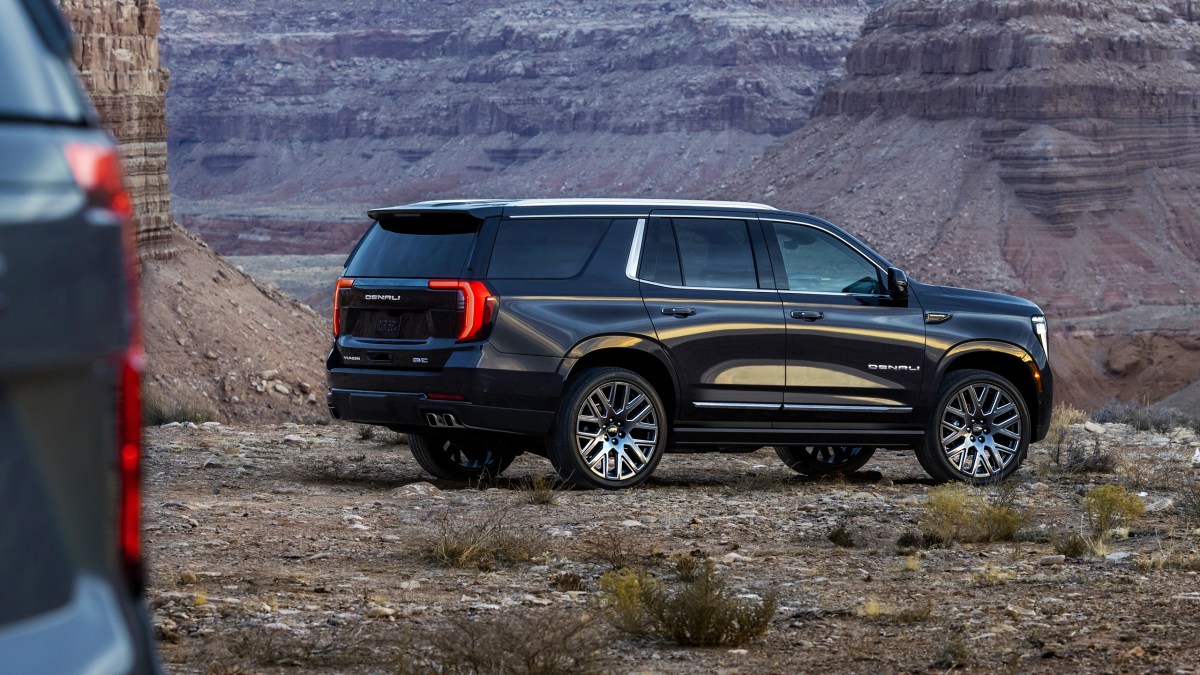
The L87 is GM’s 6.2-liter V8, the top engine option in its most profitable vehicles. It sits in trucks and SUVs that routinely transact north of $60,000, and in the case of the Escalade, well past $100,000. These are the vehicles that fund GM’s entire electrification strategy, its factory retooling, its future. An engine reliability crisis in this segment is not a minor footnote.
NHTSA’s engineering analysis is the more serious phase of its investigative process. It digs into the technical root cause and evaluates whether the automaker’s corrective actions are sufficient. If the agency determines they are not, it can compel additional recalls or broader remedies.
The scope here, covering six model years of production, suggests this is not an isolated manufacturing batch issue. It points to something more systemic.
GM has not publicly detailed the exact nature of every complaint, but reporting from The Drive’s Byron Hurd has tracked the problem over time, documenting a pattern of catastrophic engine failures that left owners stranded and facing expensive repairs. Some of those owners had already brought their trucks in under previous recall campaigns, only to experience failures again.
For GM, the timing is awkward. The company is trying to project strength and stability as it navigates the transition to electric vehicles while defending its traditional truck franchise from increasingly capable competitors. Ford’s F-150, Ram’s upcoming redesign, and Toyota’s Tundra are all fighting for the same buyers.
Truck customers are fiercely brand-loyal, but that loyalty has limits. Repeated engine failures and recalls that don’t stick test those limits faster than anything else.
The federal investigation does not automatically mean another recall is coming, but the trajectory is clear. NHTSA does not expand probes into nearly a million vehicles on a whim. The agency has data it considers troubling enough to justify deeper engineering resources.
GM will likely cooperate fully and publicly express confidence in its products. That’s the playbook. But the real question is whether the L87’s problems can be engineered out through a software update or minor component swap, or whether the fix requires something more fundamental and more expensive.
Six model years. Nearly a million vehicles. Recalls already attempted and apparently insufficient. The federal government is now doing the work GM’s own engineering should have finished by now.




Share this Story