
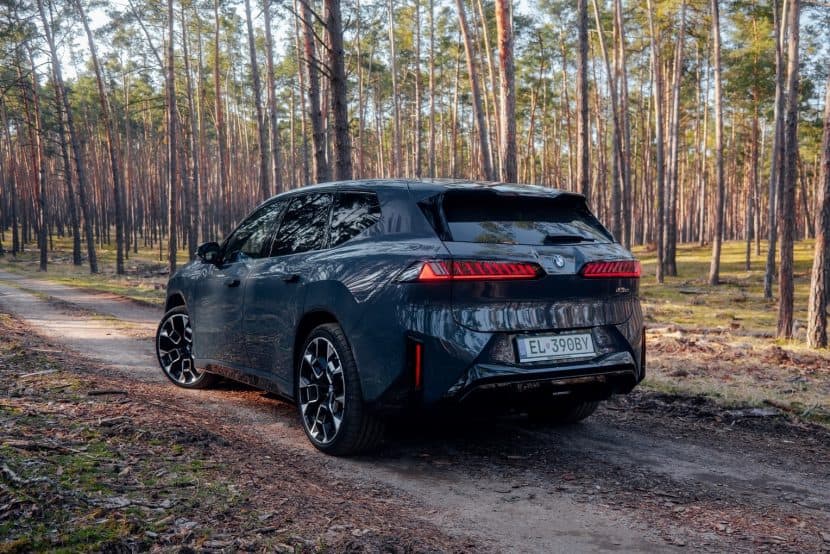


The 2026 BMW iX3 50 xDrive just earned the longest certified range of any electric vehicle sold in Brazil, clocking 570 kilometers (354 miles) under the country’s notoriously strict testing protocol. That number looks modest next to the iX3’s ratings elsewhere. It is anything but.
Brazil’s National Institute of Metrology, Quality and Technology, known as Inmetro, certified the figure through the Brazilian Vehicle Labeling Program. The same vehicle scores 805 kilometers under Europe’s WLTP cycle, 698 kilometers by EPA standards in the United States, and a bloated 919 kilometers under China’s CLTC methodology for the long-wheelbase variant. One car, four wildly different numbers.
The gap tells you everything about how these testing regimes work, and how little some of them reflect actual driving. Brazil’s procedure accounts for the brutal stop-and-go traffic that defines urban life across South America’s largest country. Inmetro’s simulation of real-world conditions strips away the optimism baked into WLTP and especially CLTC results.
So while 570 kilometers sounds like a haircut compared to the European figure, it is the most honest number the iX3 carries anywhere in the world. And it still beats every other EV on sale in Brazil.
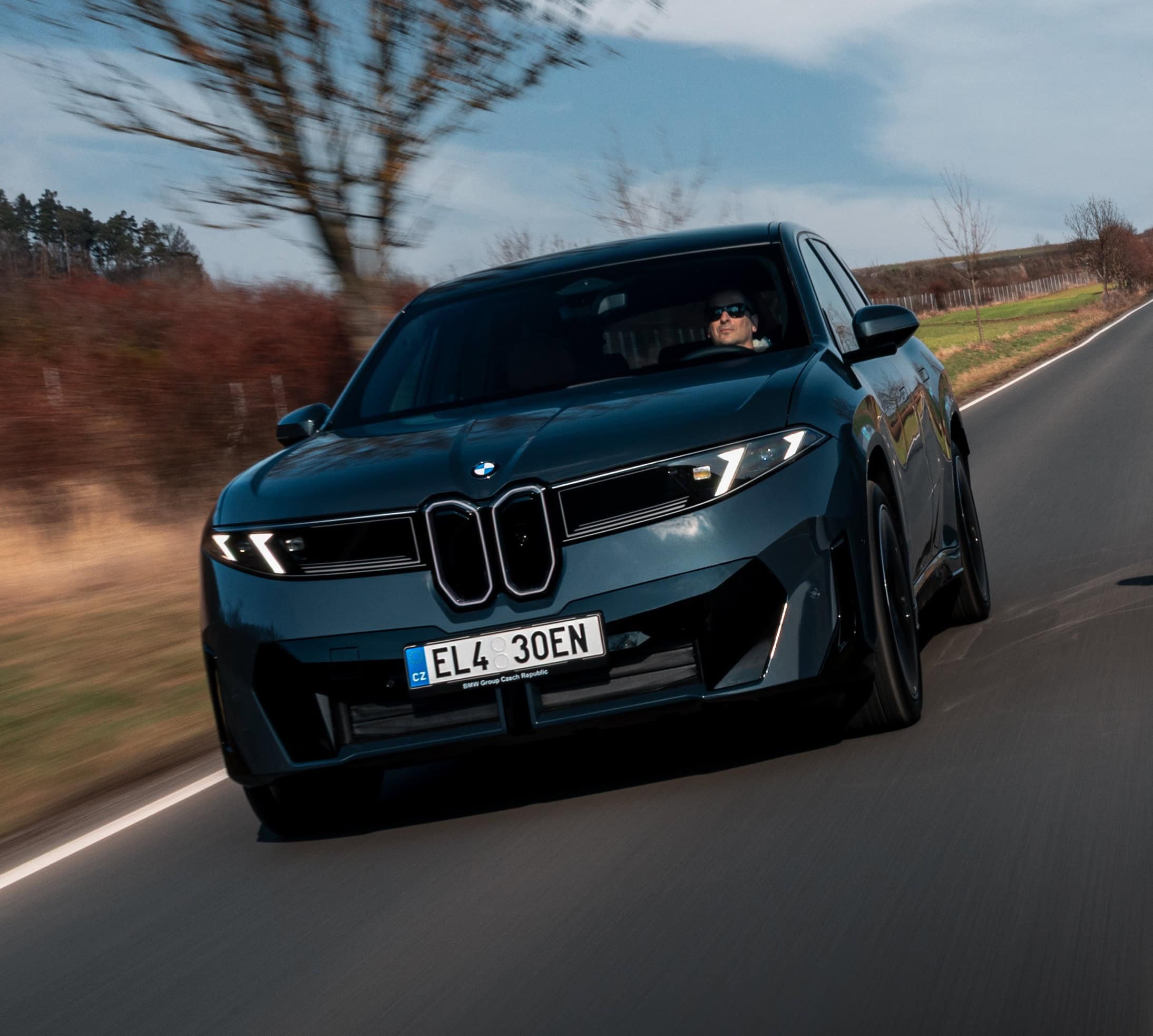
BMW’s existing electric lineup in the country puts the achievement in perspective. The iX1 manages just 324 kilometers under Inmetro testing. The iX2 barely edges past it at 327 kilometers.
The i4 sedan stretches to 399 kilometers, and the i7 reaches 467 kilometers in its pre-facelift form. The outgoing iX, which BMW Brazil recently discontinued alongside the i5, topped out at 498 kilometers.
The iX3 leapfrogs all of them by a comfortable margin. Its Neue Klasse underpinnings, including the new round battery cells and 800-volt architecture, are doing exactly what BMW promised they would do when the platform was announced.
BMW has a longer history with EVs in Brazil than most people realize. The company launched the i3 hatchback there in 2014, making it the first automaker to sell a battery electric vehicle in the country. The progression from the i3 to the iX3 over a dozen years tracks the broader maturation of EV technology, but also BMW’s deepening commitment to a market that many premium brands still treat as an afterthought.
The standard-wheelbase iX3 in 50 xDrive configuration is the only variant headed to Brazil, at least for now. BMW says it will go on sale in the coming weeks. The long-wheelbase model remains exclusive to China, where its inflated CLTC number will play well in a market that prizes range figures above almost everything else.
What stands out is how the Brazilian certification exposes the fiction embedded in other testing cycles. A 919-kilometer CLTC rating and a 570-kilometer Inmetro rating for variants of the same vehicle is not a rounding error. It is a 349-kilometer chasm that reveals how much regional testing standards can flatter or punish the same battery pack.
BMW’s upcoming iX5, which was recently unveiled but has not yet been certified for Brazil, will be the next test of whether the Neue Klasse platform can continue stretching its lead. The refreshed i7 with its larger battery should also close ground on the iX3 once Inmetro gets its hands on it.
For now, the iX3 sits alone at the top of Brazil’s EV range chart. It got there by surviving the toughest test in the business.


Share this Story