
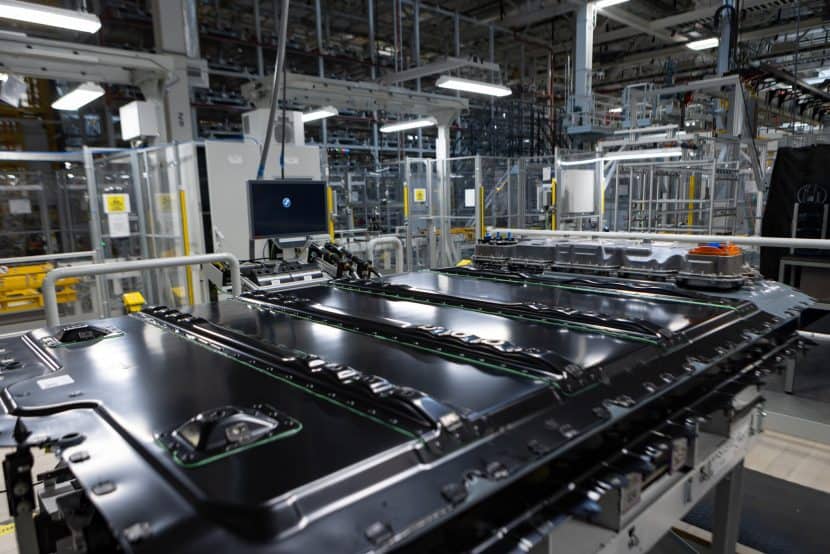


BMW’s new iX5 carries a 141-kWh battery, the largest ever stuffed into a production BMW. It’s a brute. And the smaller iX3 will never get it.
During a roundtable with journalists following the iX5’s debut, BMW explained the reasoning. Both SUVs use sixth-generation battery technology with cylindrical cells, but the cells themselves are different sizes. The iX5’s cells stand 120 millimeters tall, while the iX3’s measure 95 millimeters.
That 25-millimeter gap isn’t an oversight — it’s engineering discipline. BMW says the iX5’s higher road load demanded the taller cells and the massive pack they enable. The iX5 60 xDrive weighs 2,825 kilograms, making it the heaviest production BMW ever built outside of armored vehicles.
It’s 540 kg heavier than the iX3 in European spec. Hauling that kind of mass requires serious energy reserves.
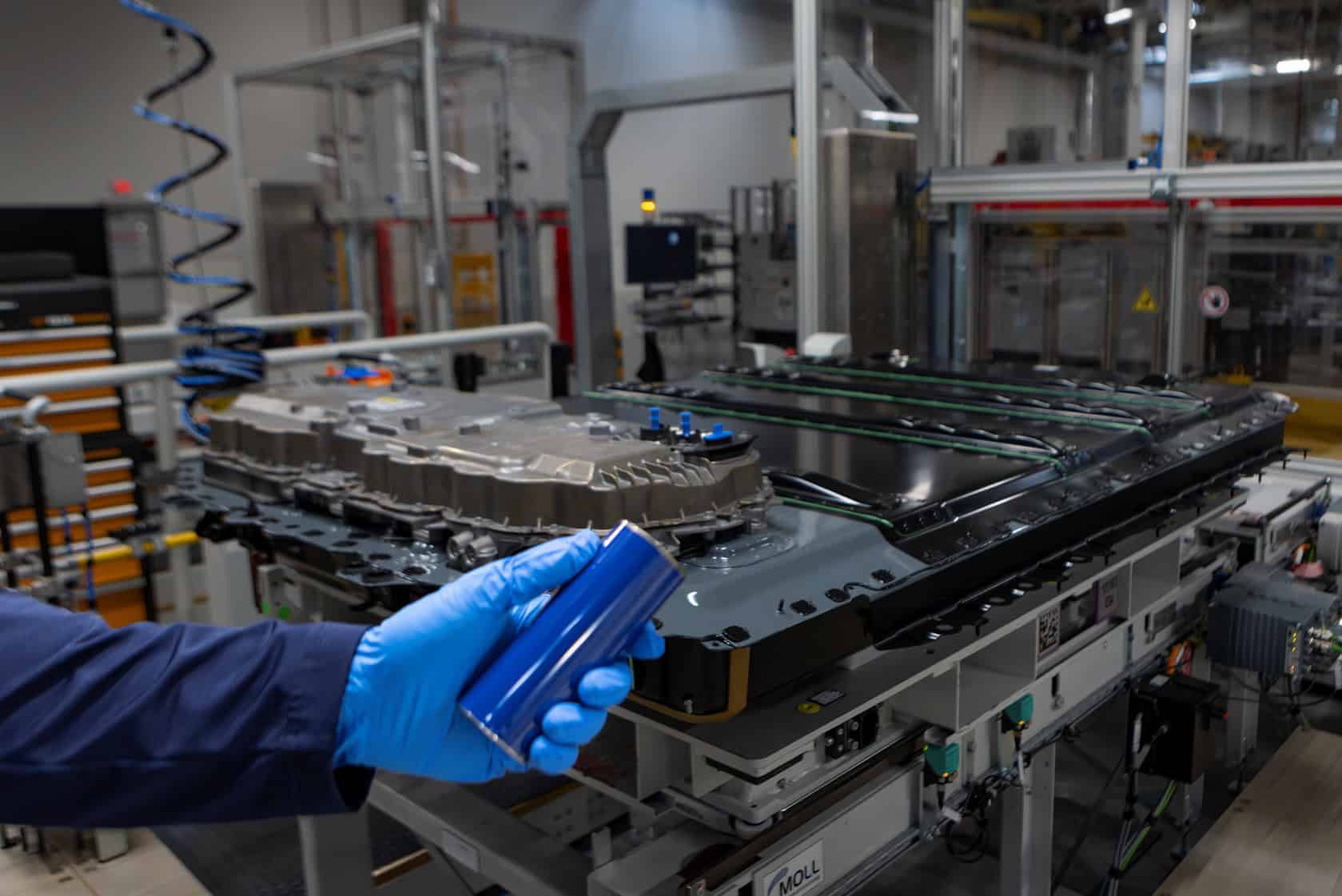
Here’s the twist that makes the battery discrepancy almost irrelevant: the iX3’s smaller 108.7-kWh pack delivers 500 miles of WLTP range. The iX5, with 30 percent more battery capacity, manages just 525 miles. That’s a 25-mile difference for an extra 32.3 kWh of cells and over half a ton of additional weight.
In EPA-equivalent testing, the gap narrows to a single mile — 434 versus 435. The math tells a story BMW probably doesn’t love to advertise.
The iX5 needs a colossal battery just to keep pace with a lighter, more efficient vehicle riding on the newer Neue Klasse architecture. The iX3’s platform does more with less. The iX5 still sits on the older CLAR platform, which was never designed from scratch for electrification the way Neue Klasse was.
That 113-millimeter height difference between the two SUVs gives the iX5 room for taller cells, but the efficiency penalty of its older bones and greater bulk eats the advantage almost entirely.
For buyers worried about range, the iX3 already has it covered. Five hundred WLTP miles from a midsize electric SUV crosses the threshold where range anxiety becomes irrational. Even the base-spec iX3 with its 82.6-kWh battery manages 396 miles on the European cycle, which would satisfy the vast majority of driving scenarios.
BMW hasn’t confirmed whether a smaller battery option will eventually appear for the iX5, but the company has signaled more X5 variants are coming. Given the iX5’s weight problem, cutting battery capacity would slash range more dramatically than it does on the lighter iX3. The physics aren’t kind to heavy vehicles on smaller packs.
There’s a broader lesson embedded in these numbers. Automakers spent the early EV years in an arms race over battery size, treating kilowatt-hours like horsepower figures on a spec sheet. BMW’s own lineup now demonstrates the diminishing returns of that approach.
The iX3 achieves nearly identical real-world range with a smaller, lighter package because its platform was purpose-built for the task. The iX5 is impressive in its own right — a full-size luxury electric SUV with genuine long-distance capability and the presence BMW’s wealthiest customers expect. But it’s also a bridge vehicle, a conventional architecture stretched to accommodate electrification rather than built around it.
The iX3, for all its smaller dimensions and more modest battery, represents where BMW is actually headed. Neue Klasse is the future. CLAR, no matter how much battery you bolt underneath it, is the past wearing a very expensive suit.
Share this Story