
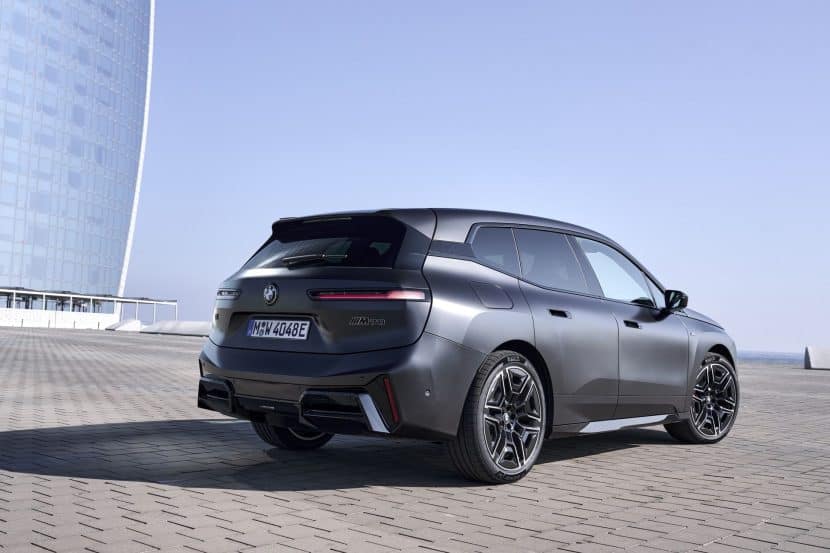


The BMW iX is dead in America. But everywhere else, it just won’t quit.
BMW confirmed this week that the polarizing electric SUV will remain in production at its Dingolfing plant through at least 2027, and possibly into mid-2028. This despite the fact that the new iX5, which debuted days ago, is better in virtually every measurable way and costs barely more money.
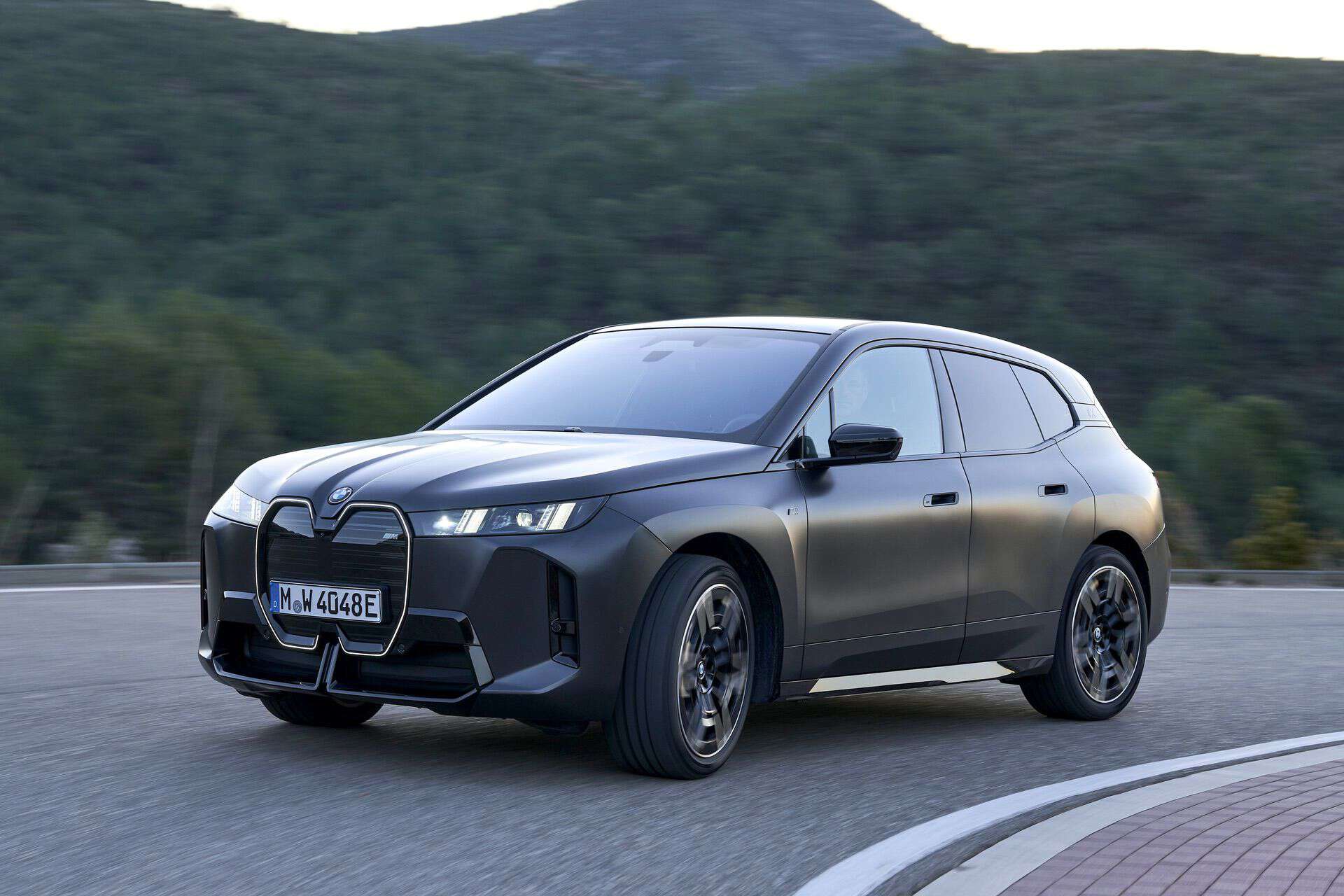
The confirmation came from Brendan Michel, BMW Australia’s head of product and market planning, who told Drive magazine the iX would continue alongside the iX5 for at least a year. BMW’s corporate office hasn’t specified a kill date, which tells you they’re keeping options open depending on how inventory and regional demand shake out.
Here’s the awkward math. The iX5 xDrive60 starts at €102,800 in Germany, while the iX xDrive60 it replaces sits at €99,900. For a €2,900 difference, buyers get more horsepower, more torque, better range, faster charging, and BMW’s new iDrive X infotainment system.
The iX5 is a generational leap built on the Neue Klasse architecture. The iX is a 2021 design based on a 2016 concept that never moved huge numbers and split opinions on styling from the moment it broke cover.
So who’s buying the iX in 2027? Markets where the iX5 hasn’t landed yet, fleet customers locked into existing contracts, and regions where pricing structures still favor the older model. This is less about consumer demand and more about the industrial reality of automotive production.
You don’t shutter an assembly line overnight because a better product showed up on the configurator. Supplier contracts, parts inventories, and workforce planning all operate on timelines measured in years, not news cycles.
BMW already pulled the plug on iX allocations for the United States, which was never the model’s strongest market anyway. The company is clearly steering American buyers toward the Spartanburg-built iX5, where local production means better margins and no import exposure.
The iX deserves a fair obituary when it finally goes, even if it arrives a year or two late. It was BMW’s first real swing at a ground-up electric luxury SUV, and it brought genuine innovations in materials, aerodynamics, and cabin technology. It also proved that BMW could build an EV that drove like a BMW, even if it looked like nothing else in the lineup.
The styling was polarizing by design, not by accident, and that boldness arguably gave BMW the confidence to push harder with Neue Klasse. But the overlap creates an odd retail situation. Dealers in markets still carrying both models will have to explain why anyone should choose the older, less capable vehicle that costs almost the same.
The answer is probably delivery timing — iX units sit on lots while iX5 production ramps up.
Looking further out, the iX’s spiritual successor may not even be the iX5. BMW has confirmed a second-generation X7 arriving in 2027, and spy shots strongly suggest a fully electric iX7 variant is coming under the G67 program. An ALPINA-badged electric G69 is reportedly in the pipeline too.
The iX was always a transitional product. BMW just isn’t in any rush to admit that publicly. Keeping it alive through 2027 or 2028 is less a vote of confidence and more a concession that killing a car takes almost as long as building one.
Share this Story