
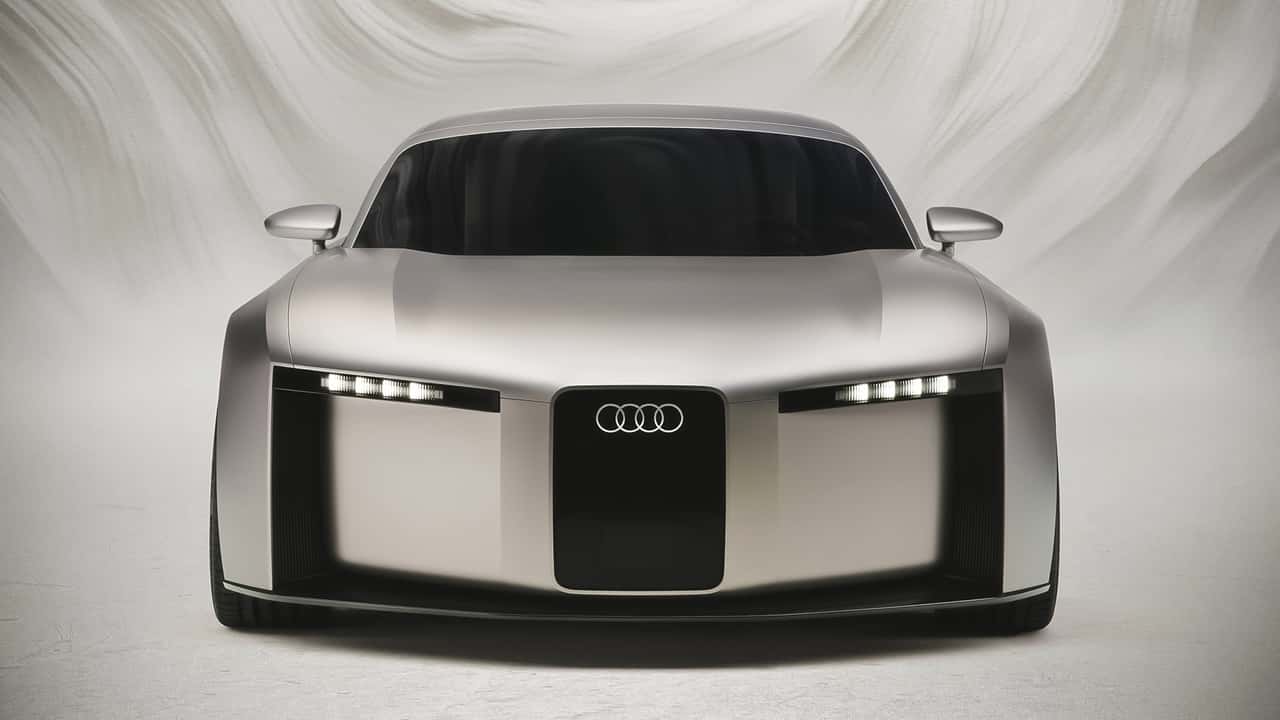


Three years after Mercedes launched its electric C-Class and BMW rolled out the i3 sedan, Audi will finally show up to the fight. The electric A4 is confirmed for 2028, riding on an entirely new platform and wearing a design language the company hopes will reset its identity.
Audi CTO Rouven Mohr confirmed the details in an interview with Australian outlet GoAuto, revealing that the A4 EV will be among the first mass-produced models built on the Volkswagen Group’s long-delayed Scalable Systems Platform, known as SSP. That’s the architecture VW has been promising for years as the successor to the current MEB and PPE platforms — one that’s supposed to be more capable, more efficient, and more flexible. Whether it actually delivers on that promise remains an open question, since SSP has been pushed back multiple times already.
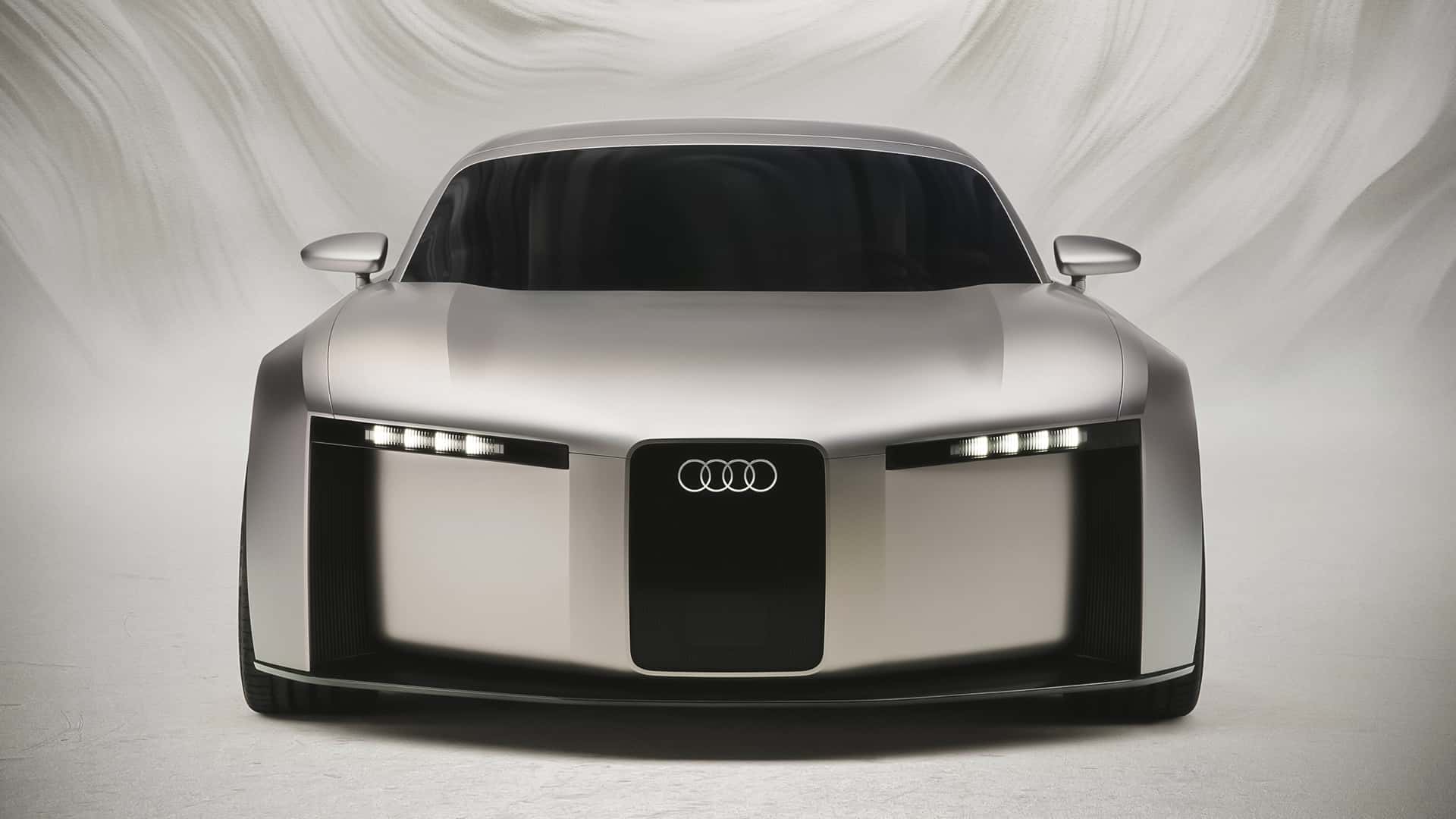
The sedan will also be among the first high-volume Audis to adopt the design philosophy introduCed by the Concept C show car in 2025. Audi is calling it a “strive for clarity,” which in practice means cleaner surfaces, less visual noise, and a deliberate retreat from the screen-heavy, glossy-black interiors that have dragged down the brand’s reputation for cabin quality.
That last point stings because Audi earned it. The company that once set the standard for interior fit and finish among German luxury brands spent the better part of a decade chasing touch-sensitive everything and piano-black trim that scratched if you looked at it wrong. Mohr’s team is now promising more physical controls and better materials — an admission, however diplomatically phrased, that they got it wrong.
Two Audi sports cars will preview the new look before the A4 arrives. The Nuvolari, a Lamborghini Temerario-derived machine limited to 499 units, starts deliveries in 2027. A production version of the Concept C, an electric targa built on the Porsche Boxster/Cayman EV platform, follows shortly after.
Neither will move the sales needle. The A4 is where this design language either connects with buyers or doesn’t.
The electric A4 will share nothing meaningful with the current A5, which quietly absorbed the old A4’s role as Audi’s combustion-powered sedan when the naming shuffle happened a couple of years ago. That split — gas cars get odd numbers, EVs get even numbers — remains one of the more confusing branding decisions in the segment, but Audi is committed to it.
Mohr also made clear that the Avant wagon body style isn’t going away. Audi made, I think, the station wagon cool — we should continue this,” he said. It’s a small but meaningful commitment in an era when most automakers treat wagons as charity cases barely worth the tooling investment.
The competitive landscape will look very different by 2028. Mercedes and BMW will have had years to establish their electric sedans in the market. Tesla’s Model 3 refresh will be aging. Chinese competitors like NIO and Xiaomi will have matured.
Audi is betting that showing up late with a genuinely better platform and a sharper design will overcome the head start its rivals enjoy. That’s a big bet.
SSP needs to actually work at scale, the new design language needs to translate from concept cars to a sedan that parks in suburban driveways, and the interior quality improvements need to be real — not just show-car theater. Audi has spent the last several years watching its EV credibility erode while the e-tron GT aged gracefully but the Q8 e-tron stumbled and got axed.
The A4 nameplate still carries weight. Four generations of buyers know what it’s supposed to represent: accessible luxury, sharp driving dynamics, and an interior that made you feel like you’d spent your money wisely. Replicating that formula on a new electric platform, with a new design philosophy, three years behind the competition, is the kind of challenge that separates automakers with conviction from those running on nostalgia.

Share this Story