
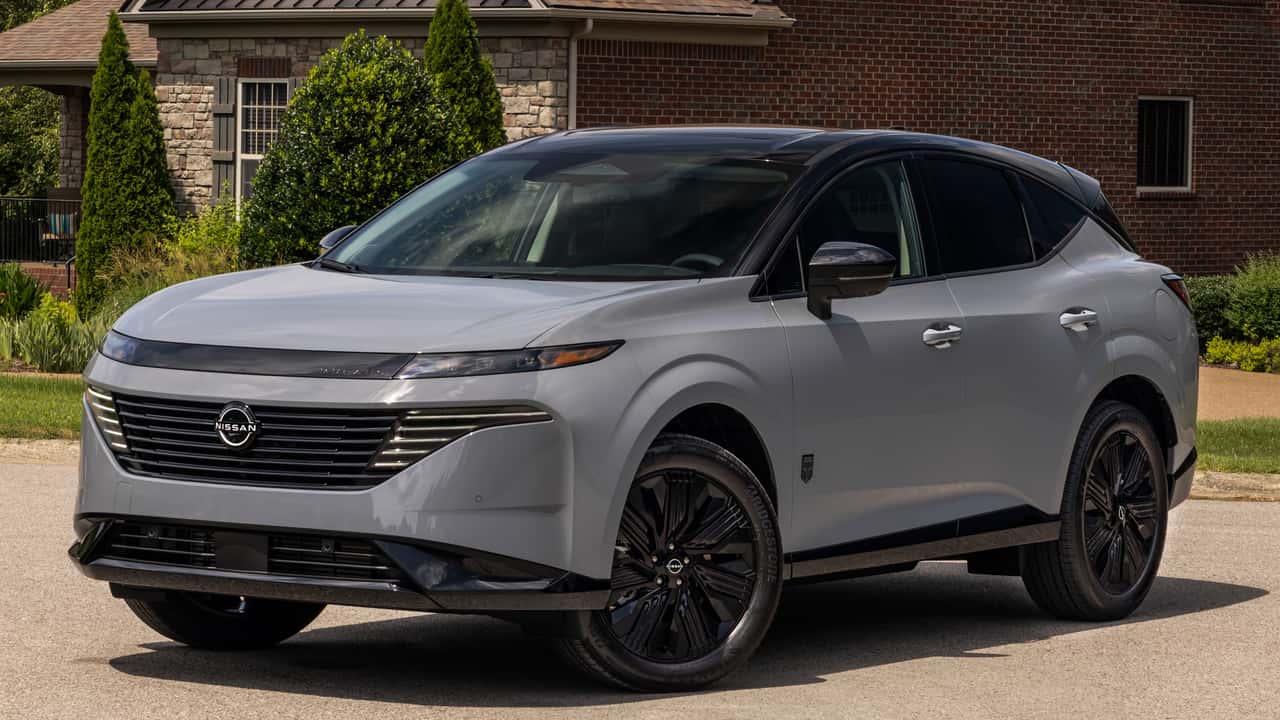


The 2027 Nissan Murano no longer has a base model that starts with a four in front of the comma. Nissan has quietly axed the SV trim, the entry point that kept the two-row crossover accessible, and replaced the bottom of the lineup with the better-equipped SL at $43,990 before destination. That is $2,320 more than the old SV cost, and once you add the $1,545 destination charge, the cheapest Murano you can buy now rings the register at $45,535.
The three-trim structure reads SL, Dark Armor, and Platinum. No more, no less. Every single one runs the same turbocharged 2.0-liter four-cylinder making 241 horsepower, paired with a nine-speed automatic and standard all-wheel drive. There are zero powertrain decisions to make.
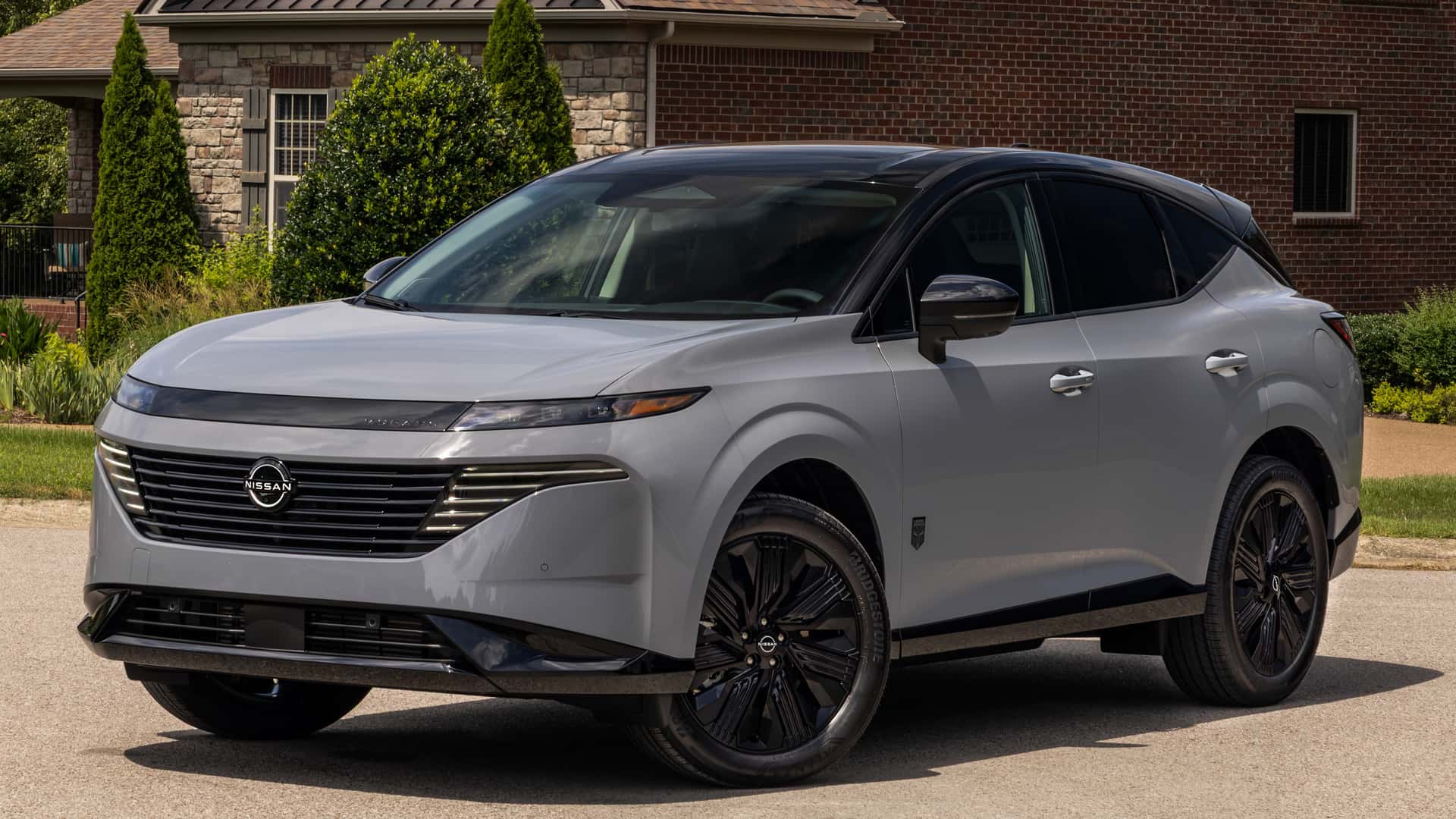
Your only real question is how much trim and flash you want bolted to the body. Dark Armor is the new kid, slotted in the middle at $46,990 MSRP, or $48,535 delivered. It exists to give the Murano a blacked-out personality that the chrome-laden SL does not provide.
Gloss-black 21-inch wheels, unique bumpers, sportier side skirts, and a Graphite interior form the core of the package. Six exterior colors are available, including two two-tone options with a Super Black roof over Boulder Gray or Everest White.
At the top, the Platinum holds steady at $49,790, pushing past $51,000 with destination. That puts it squarely in territory where buyers start cross-shopping luxury brands, a neighborhood Nissan clearly wants to occupy rather than avoid.
Killing the SV is a deliberate repositioning. For years the Murano sat in a strange no-man’s-land, priced like a mainstream crossover but marketed with near-luxury pretensions. Nissan has now chosen a side.
The move mirrors what happened with the 2026 Pathfinder, which also saw its sticker climb. Across the Nissan showroom, from the Sentra’s new gearbox to the Frontier pickup refresh, prices are creeping upward as the company tries to rebuild margins battered by years of incentive-heavy selling.
The risk is real. At $45,535 to start, the Murano now costs roughly the same as a well-optioned Toyota Grand Highlander, Hyundai Palisade, or Kia Telluride, all of which offer three rows and, in some cases, more powertrain variety. The Murano counters with a two-row cabin that feels more spacious per occupant and a design language that leans harder into style.
Whether that trade-off holds up on dealer lots is another question entirely. Dark Armor does solve one persistent annoyance for buyers who wanted a meaner look without resorting to aftermarket wheels and badge-delete kits. Factory blackout treatments have become a profit center across the industry, and Nissan is late to the party but at least showed up with a coherent package rather than a random options-sheet checkbox.
Budget shoppers, the ones who stretched into an SV because it was the most affordable way into the Murano’s cabin, now face a gap. Nissan’s own Rogue sits thousands below and offers similar tech, but it is a smaller vehicle with a different character. The space between Rogue and Murano just got wider, and Nissan does not have anything to fill it.
Whether this pricing gamble pays off depends on one thing Nissan cannot control: what happens on the lot. Dealer markups or heavy incentives will ultimately determine whether the Murano’s new floor feels like a fair ask or a reach. The sticker says near-luxury. The next quarterly sales report will say whether customers agree.
Share this Story