
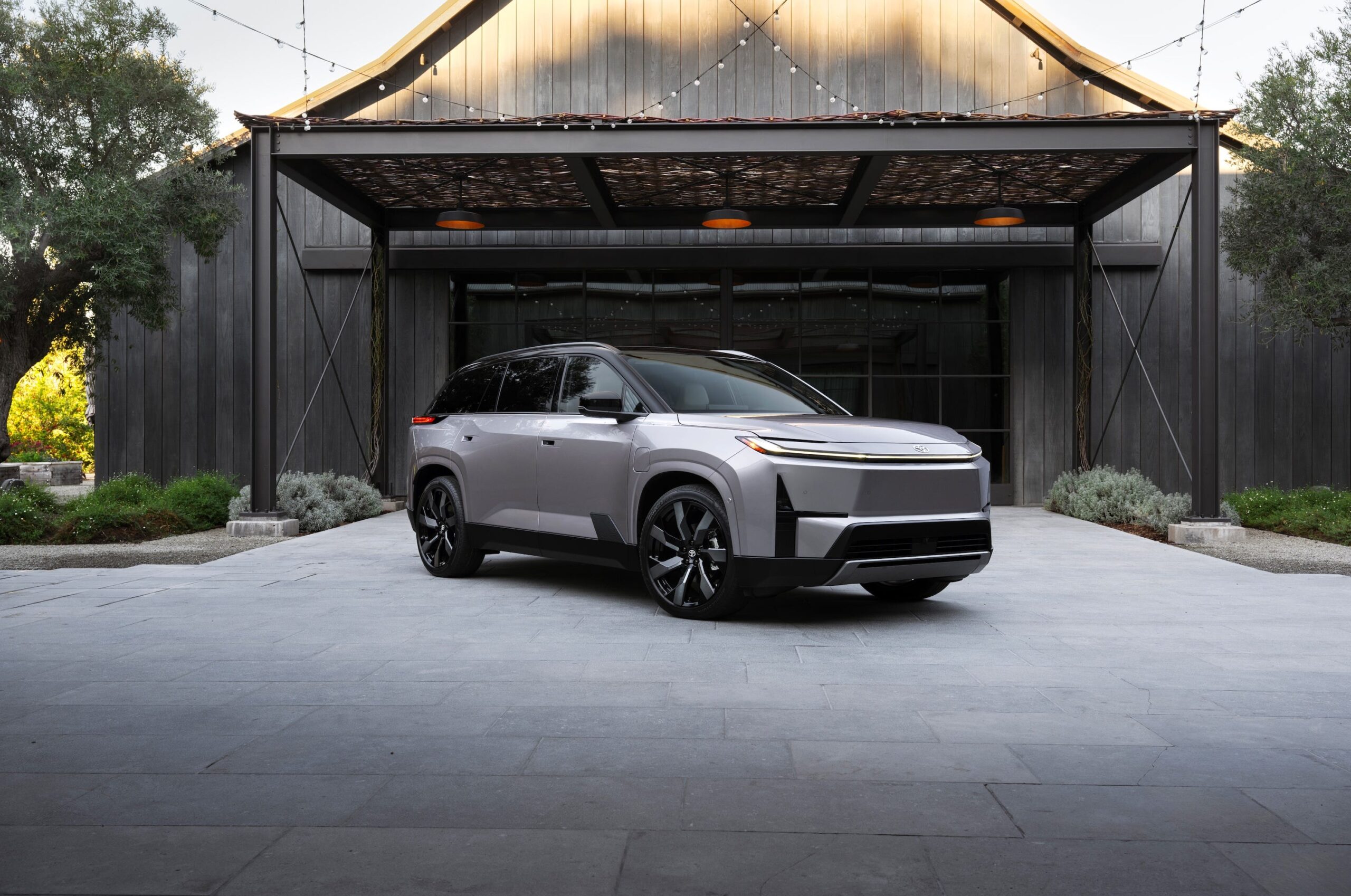


Toyota confirmed this week that production of the all-electric 2027 Highlander has been pushed back at least eight weeks, torpedoing plans for late-2026 sales and likely delaying the SUV until early next year. The company cited a need for “final adjustments prior to launch,” which is corporate speak that could mean anything from software bugs to supplier hiccups.
The delay is a cold splash of reality for a company that spent the past year loudly proclaiming its EV conversion. After years of dragging its feet on battery-electrics while rivals shipped hundreds of thousands of them, Toyota loaded up 2026 with new EVs — the C-HR, the bZ Woodland, a refreshed bZ4X. The Highlander was supposed to be the crown jewel: a three-row electric SUV wearing one of Toyota’s most recognizable nameplates, a signal that the company was finally all in.
Eight weeks minimum is the key phrase. Automakers rarely announce production delays that shrink. They grow.
The ripple effects extend well beyond Toyota. The Highlander’s platform underpins two other vehicles — the Lexus TZ and the Subaru Getaway — both of which were also targeting late-2026 launches. Toyota’s spokesperson offered nothing on the TZ’s timeline, which is itself telling.
Subaru hasn’t responded yet about the Getaway. If the platform itself is the issue, all three vehicles are stuck.
Meanwhile, Toyota confirmed that the current gas-and-hybrid 2026 Highlander will keep rolling off the line through December, ensuring dealer lots stay stocked well into 2027. That’s a safety net, but it also undercuts the urgency of the electric transition. Customers who might have cross-shopped the EV Highlander against a Hyundai Ioniq 9 or Kia EV9 will now have every reason to look elsewhere — or simply buy the hybrid sitting right there on the lot.
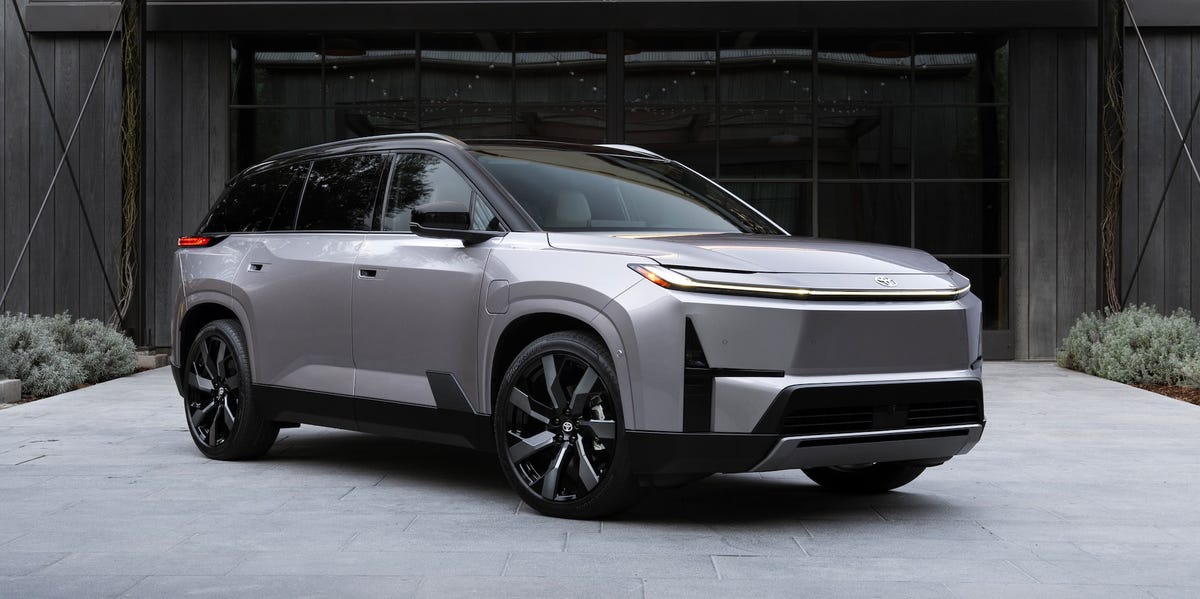
Toyota has been here before. The bZ4X launched in 2022 with a wheel-bolt recall that pulled vehicles off the road almost immediately. That debacle became a punchline and set the company’s EV credibility back by years.
Another stumble with the Highlander, even a less dramatic one, feeds the same narrative: Toyota talks a big EV game but can’t execute on time.
The three-row electric SUV segment is no longer an empty field. The Rivian R1S has been on the road for years. The Kia EV9 and Hyundai Ioniq 9 are selling. The Volkswagen ID. Buzz seats seven.
Even Mercedes has the EQS SUV. Every week of delay gives those competitors more time to entrench themselves with buyers and build out their charging and service networks.
Toyota’s global scale still gives it enormous advantages in manufacturing cost and dealer reach. Nobody moves more metal worldwide. But scale doesn’t help when the product isn’t ready, and “final adjustments” on a vehicle this close to production suggests problems discovered late — exactly the kind of issue that erodes confidence inside dealerships and among the early-adopter buyers Toyota desperately needs to court.
The 2026 hybrid Highlander remains an excellent vehicle. It’s efficient, spacious, and reliable in the way Toyota has built its empire. That’s precisely the problem.
Every delay on the electric version gives buyers one more reason to stick with what they know, and gives Toyota’s own dealer network one more reason to whisper that maybe the gas car is the safer bet.
Production delays happen. But for Toyota, this one lands at the worst possible moment — right when the company was finally supposed to prove the skeptics wrong.
Share this Story