
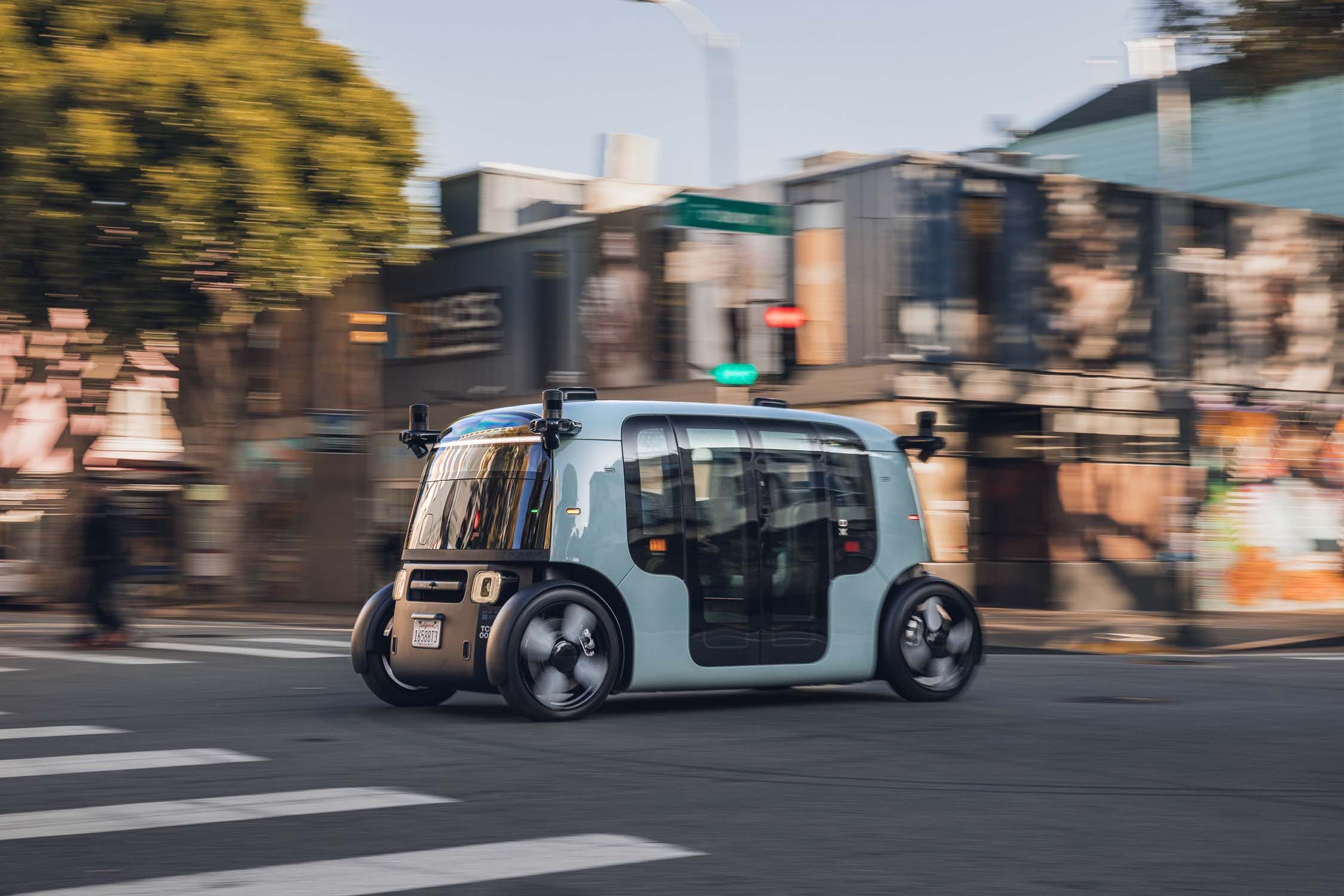


The people guiding your robotaxi through a tricky left turn might not have a driver’s license. And the industry’s leading engineering body says that might be perfectly fine.
SAE International’s Autonomous Vehicle Safety Consortium published its Best Practice for ADS Remote Assistance Training and Human Factors this week. The document amounts to the first real curriculum framework for the humans who sit in front of monitors and nudge driverless cars when their algorithms get confused. It covers training, workstation design, cognitive fatigue, and the surprisingly thorny question of what qualifications these operators actually need.
The short answer: not a lot, at least not the kind you’d expect.
AVSC’s paper states that remote operators don’t necessarily need a valid driver’s license. The logic tracks if you squint. These people aren’t steering — they’re choosing lanes, approving suggested paths, and occasionally talking to passengers or first responders.
The overlap with traditional driving is mostly limited to knowing traffic laws. Companies can still require a license and clean record if they want, but the consortium isn’t demanding it.
What the paper does demand is deep knowledge of the autonomous driving system itself, from sensors to decision-making architecture, plus a thorough understanding of local traffic regulations wherever the vehicle operates. That last part gets interesting fast. A remote operator in Austin could be guiding a robotaxi through San Francisco, or one in Manila could be handling a vehicle in Phoenix.
Training should lean heavily on simulators, AVSC recommends, though not the kind with steering wheels and pedals. These are screen-based tools that replay real scenarios or generate new ones, designed to test whether an operator can read a situation and make the right call. Retraining is also baked into the recommendations, a concept the traditional driving world has never managed to embrace despite decades of evidence that skills decay.
The most interesting section deals with boredom. When a robotaxi fleet is running smoothly, there’s nothing to do. Minutes stretch, and attention drifts.
AVSC suggests companies teach operators to recognize their own declining alertness and give them a penalty-free way to tap out for a break. That’s a surprisingly human-centered recommendation from an engineering standards body.
Workload swings are a real concern too. Some operators handle not just vehicle guidance but also customer service calls and communication with emergency responders. Whether one person should juggle all of that or whether the roles get split is left to individual companies, which feels like a gap that will get tested in practice.
None of this is legally binding. AVSC publishes best practices, not regulations. But the document serves as a template that state and federal regulators could eventually draw from, and it puts some structure around a job category that has existed in a gray zone since Waymo and its competitors started deploying vehicles at scale.
The consortium’s recommendations are sensible, even obvious in places. Train your people. Don’t let them fall asleep. Make sure they understand the system they’re supervising.
But the fact that this needed to be written down tells you something about where the autonomous vehicle industry actually stands. The cars are on the road, and the humans behind the curtain are already making decisions. Until this week, nobody had published a shared framework for how those humans should be prepared.
Waymo, Zoox, and others have said little publicly about how their remote operations teams are selected, trained, or evaluated. AVSC is nudging the door open, but whether anyone walks through it voluntarily remains an open question.



Share this Story