


The Lanza crime family once ran the streets of San Francisco. Now Waymo does, with more than 800 autonomous vehicles prowling a 260-square-mile swath of the Bay Area. Add Phoenix, Los Angeles, Miami, Atlanta, and Austin, and the Alphabet subsidiary covers roughly 700 square miles of American road — and growing.
That figure alone would have been science fiction five years ago. It’s not anymore. Waymo charges real fares to real passengers in real traffic, and investors have pinned a $126 billion valuation on the company.
The catch: that number dwarfs actual revenue, which remains a rounding error against the billions sunk into getting here.
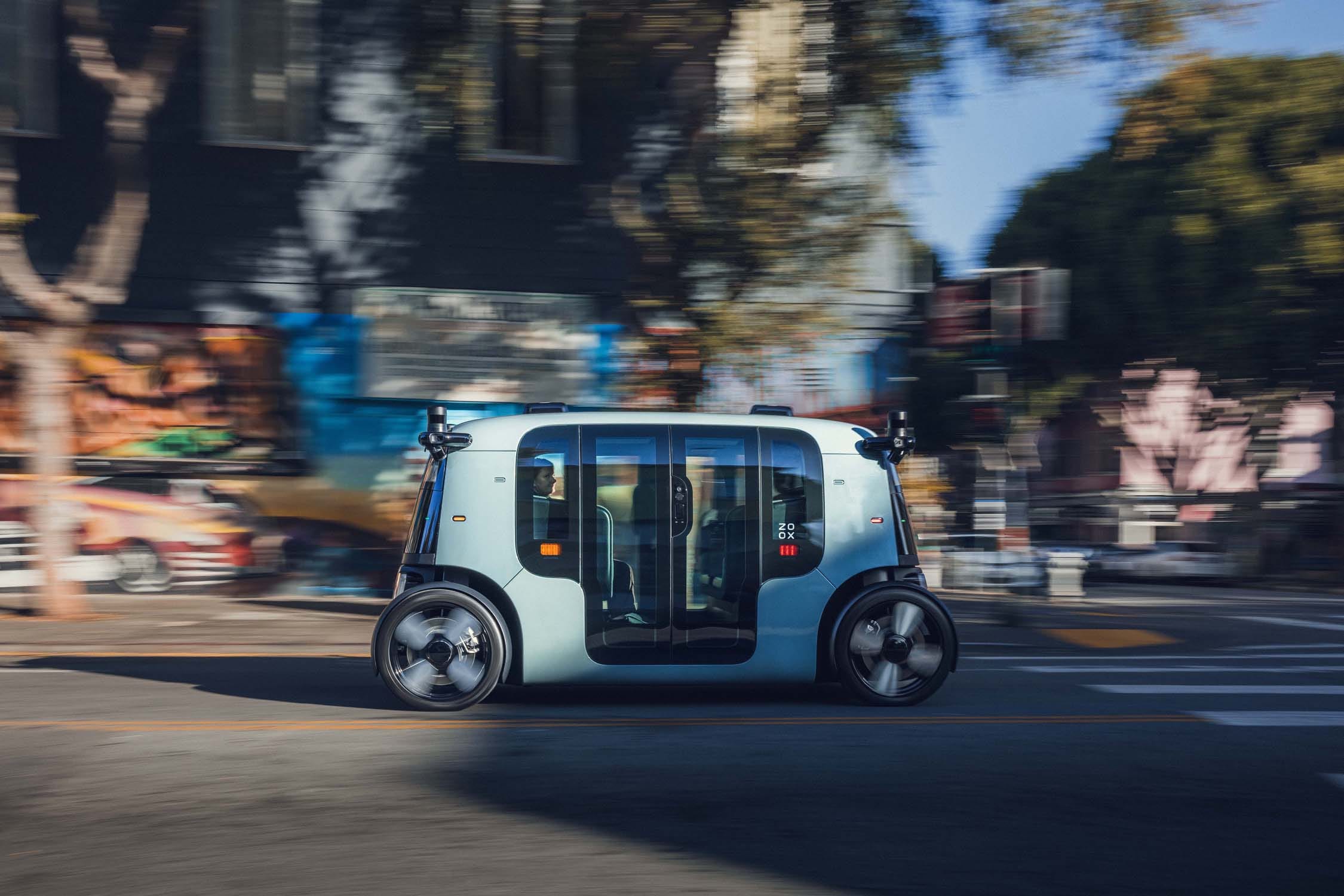
Waymo isn’t alone out there. Amazon-backed Zoox operates its own fully driverless vehicles in a small slice of northeast San Francisco and part of Las Vegas. Tesla, meanwhile, runs its Robotaxi service with unsupervised Model Ys in parts of Texas, though it still requires safety operators in the Bay Area.
Three players, three wildly different philosophies.
Waymo retrofits existing platforms — Jaguar I-Paces and now the Ojai, an electric minivan built on the Zeekr Mix from Geely. Its Mesa, Arizona, factory with Magna can install sensor packages on at least 10,000 vehicles. Zoox designed its pod from scratch at its Hayward, California, plant, also rated for 10,000 units.
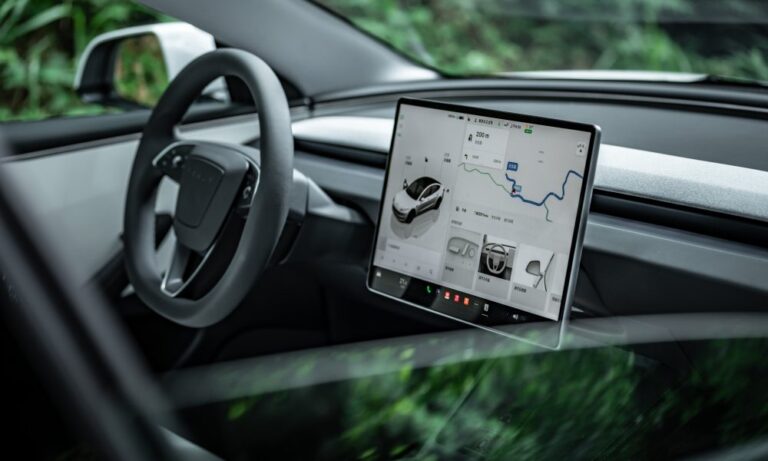
Tesla skips lidar and radar entirely, betting everything on cameras and software. That last bet is the most consequential gamble in the industry.
Waymo and Zoox layer cameras, radar, and lidar into overlapping sensor suites precisely because cameras alone stumble in fog, darkness, and glare. Tesla’s vision-only approach saves hardware cost but raises a question nobody can definitively answer yet: Is cheaper good enough when lives ride on it?
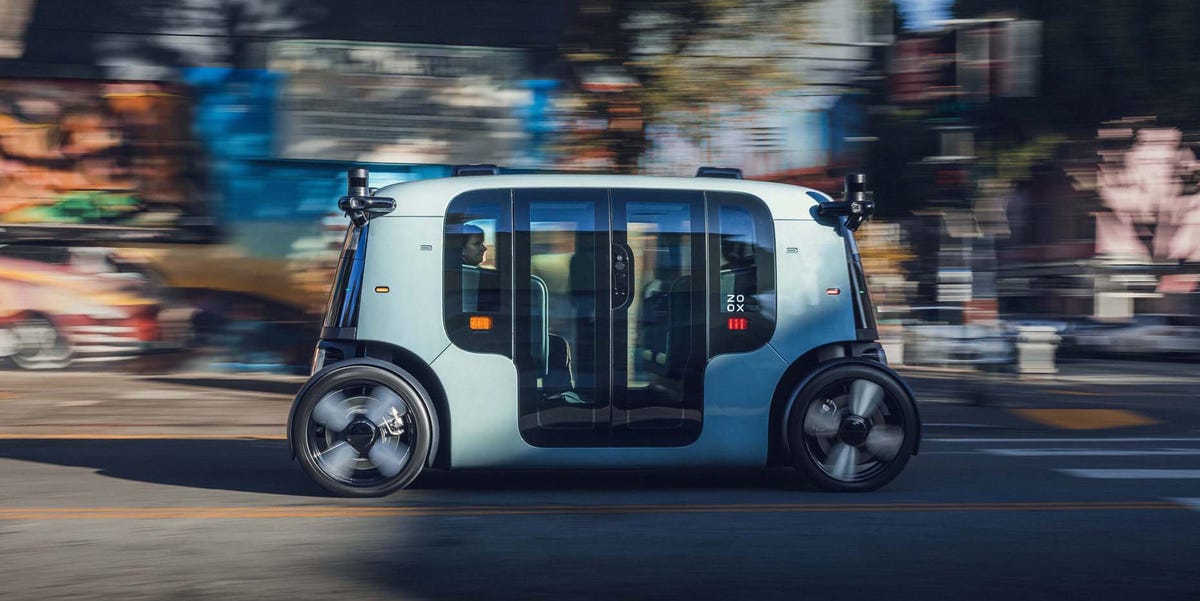
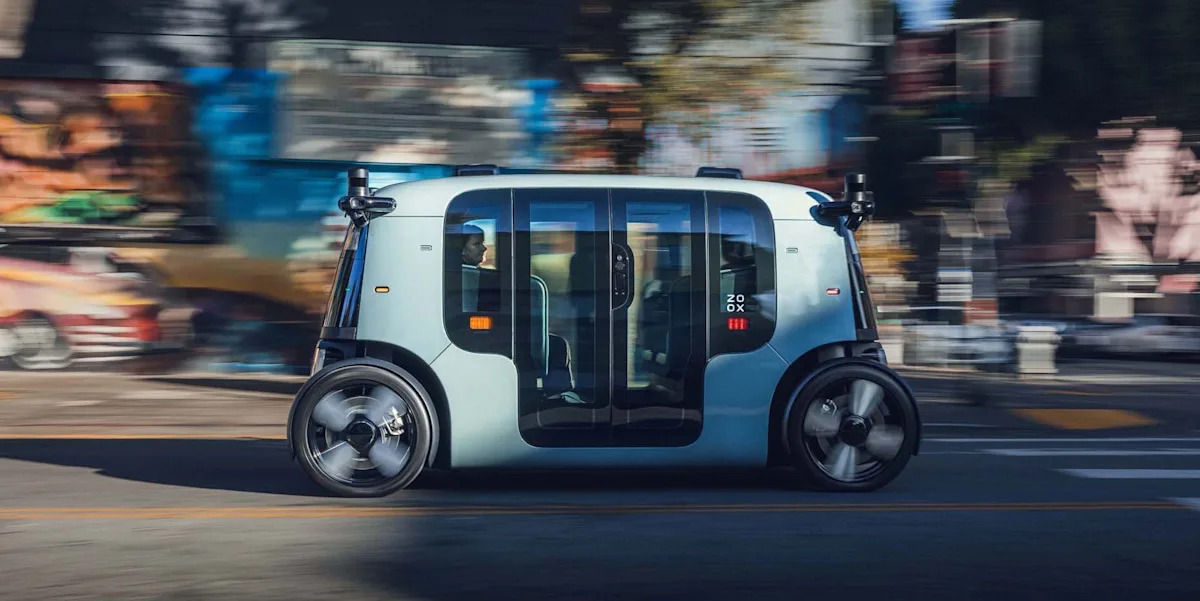
Zoox’s purpose-built vehicle is the most radical hardware play of the three. At 142.9 inches long — shorter than a Fiat 500e — it’s symmetrical front to back. Each end carries its own 67-kWh battery, 134-hp motor, and steering system, building in full redundancy.
If something fails at one end, the opposite end takes over to finish the fare and limp to a repair bay. Four-wheel steering lets it knife through urban blocks that would stymie a standard sedan.
But there’s a regulatory hitch. Zoox holds the only NHTSA waiver to run vehicles without steering wheels or pedals on public roads — and that waiver currently covers demonstration vehicles only. Until commercial authorization comes through, Zoox cannot charge a dime.
Waymo, which keeps conventional controls in its cars, faces no such restriction.
Safety data remains murky. Zoox filed 22 incident reports with NHTSA in the second half of 2025. Waymo, operating a far larger fleet, logged 449.
Waymo claims more than 200 million autonomous miles prove its cars are safer than human drivers. The problem is that claim rests on data the companies themselves choose to share. Independent verification barely exists.
Riders in the Zoox report hypersensitive braking — the pod slams to a halt at perceived threats — which is arguably better than missing a hazard but still triggers motion sickness for backward-facing passengers. The honest assessment is this: the best autonomous vehicles appear to cause less chaos than the worst human drivers. That’s a low bar dressed up as a breakthrough.
Production capacity is scaling. Coverage maps are expanding. Billions more will pour in.
Yet the fundamental tension hasn’t changed since the first prototypes hit public streets: these companies are asking society to trust machines with human lives based largely on data those same companies control. A $126 billion valuation says the market believes the bet will pay off. Whether the technology has truly earned that trust is a different question — one that potholes, fog, and 200 million more miles still need to answer.
Share this Story