
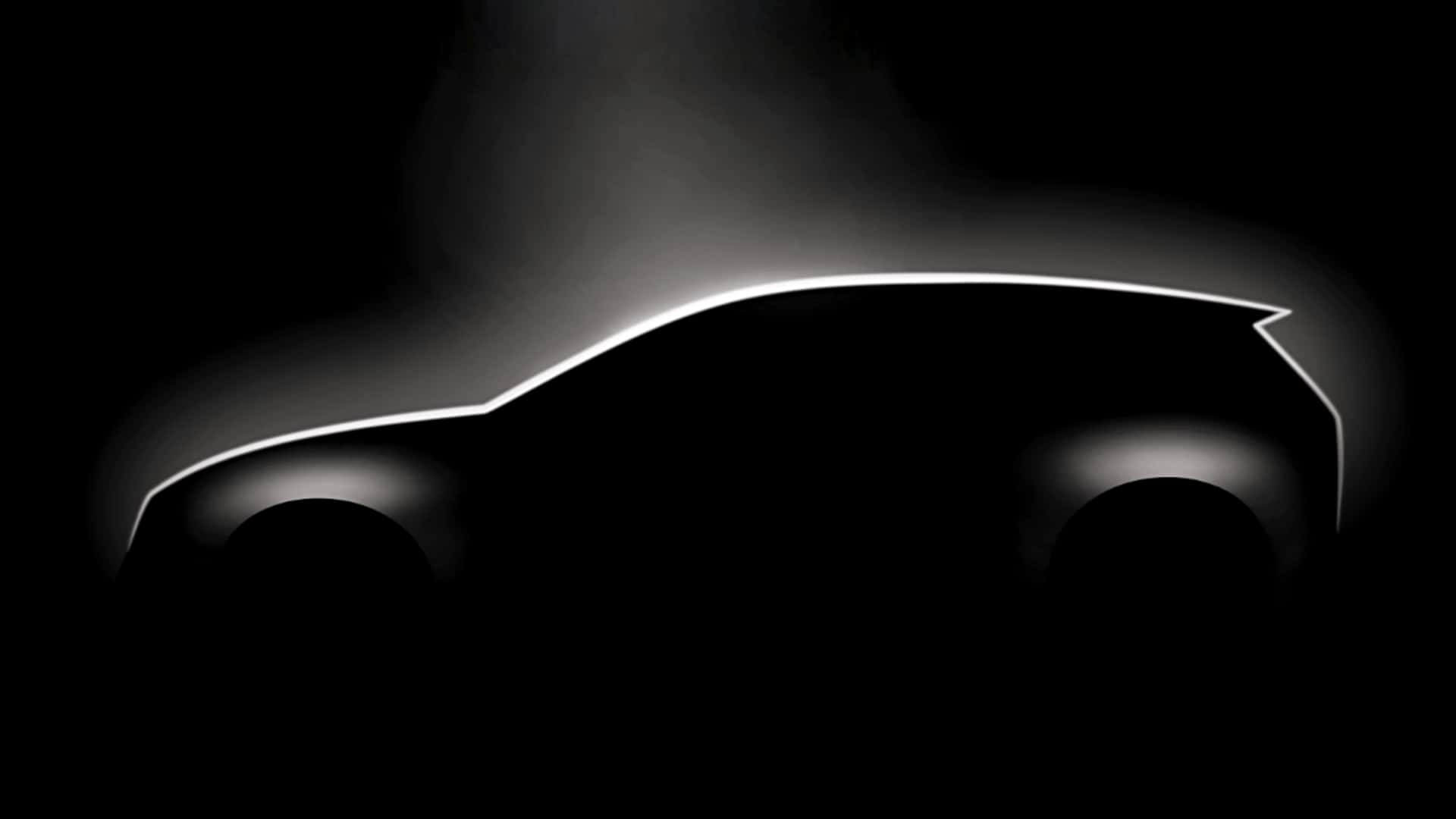


Volkswagen just showed its workforce in Wolfsburg the first silhouette of the next-generation Golf, and the message couldn’t be louder: the revolution is over, and evolution is back in charge.
The teaser, revealed at a company meeting this week, depicts a car that looks remarkably like the Golf 8. And the Golf 7 before it. VW design boss Andreas Mindt is making a deliberate choice — continuity over disruption — and the Golf is now the clearest proof that Wolfsburg has learned a painful lesson from the ID.3 experiment.
Remember the ID.3? That was supposed to be the electric Golf, the spiritual successor that would carry the brand into a battery-powered future. It launched with a radical new design language, a completely different platform, and an interior philosophy that alienated as many buyers as it attracted. Sales never came close to justifying the hype. Now VW is quietly admitting the two-track strategy — combustion models here, wildly different EVs over there — was a mistake.
The replacement won’t arrive until 2028 at the earliest, and when it does, it’ll wear the name ID. Golf. Not ID.3 Mark II. Not some abstracted alphanumeric code. Golf. And it will look like one, too, sharing unmistakable DNA with the gas-burning version still rolling off the line.
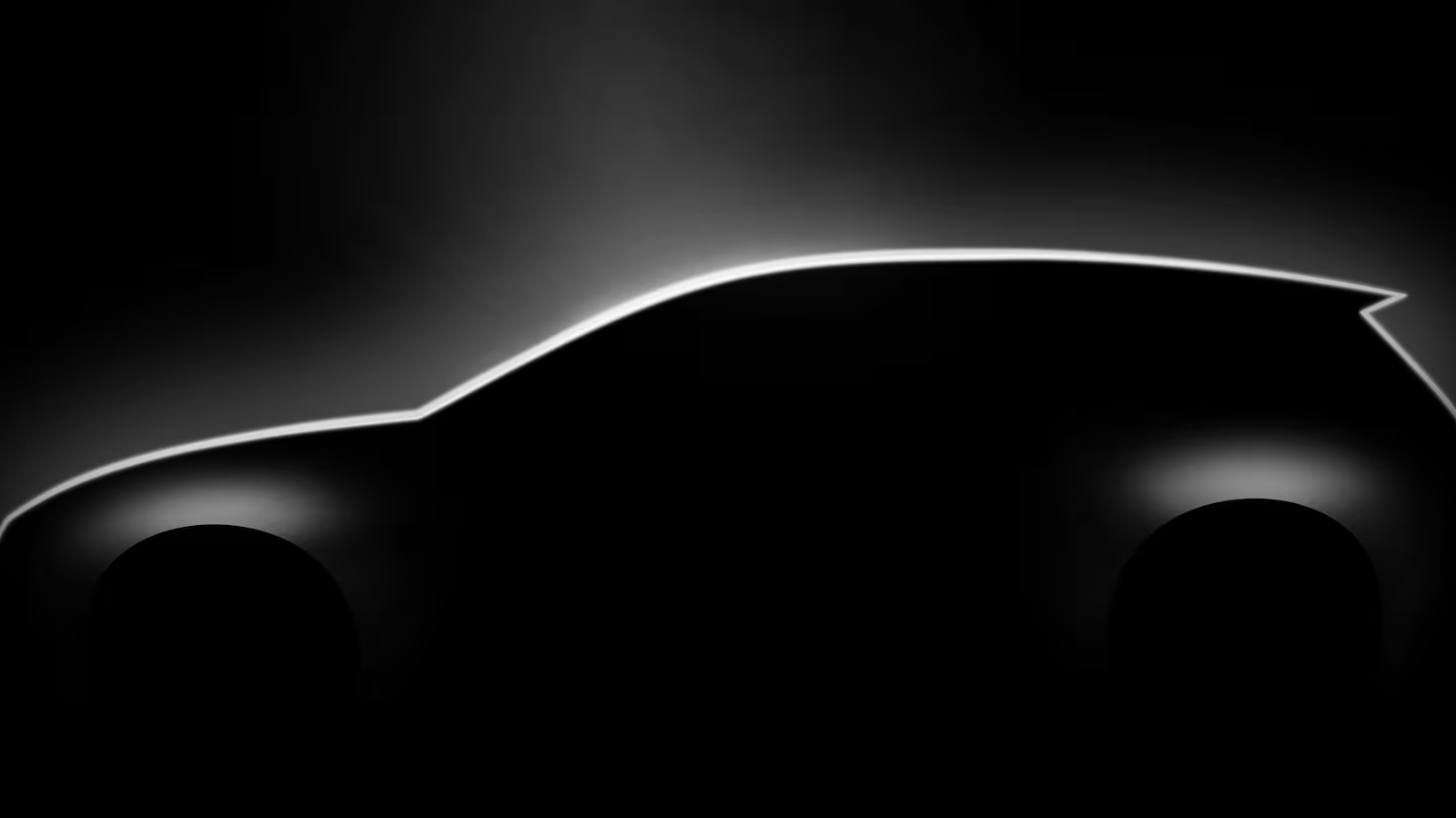
That combustion Golf isn’t going anywhere soon, either. Production is shifting to Mexico starting in 2027, a move that mirrors the Polo’s recent relocation to South Africa. Both decisions free up German factory capacity while keeping the internal-combustion cash cow alive for as long as the market demands.
VW has already hinted the gas Golf could soldier on for years alongside its electric twin. The Polo is the template. Its electric successor, the ID. Polo, debuts in final form in late April 2026, and prototypes show a car that keeps the wide C-pillars and familiar proportions buyers recognize.
The interiors are changing too — in the right direction, finally. Physical buttons are returning to the steering wheel and center console, a tacit admission that the touchscreen-everything approach was a dead end.
There’s even a retro digital mode styled after the original Mk1 Golf’s instrument cluster. It’s a gimmick, sure, but it’s a gimmick that says something about where VW’s head is right now: looking backward for emotional anchors while inching forward on electrification.
This is a company that nearly tore itself apart over the past year with factory closure threats, labor disputes, and cost-cutting battles that shook its German workforce to the core. Showing them the next Golf — Germany’s perennial best-seller — at a company meeting isn’t just a product preview. It’s a morale play.
The broader strategy is now unmistakable. VW is collapsing the visual and emotional gap between its combustion and electric lineups. No more asking customers to choose between a car they recognize and a car that looks like it fell out of a science fiction movie. The next Golf, gas or electric, will simply look like a Golf.
Whether that’s wisdom or timidity depends on how fast the market moves. Volkswagen is betting that familiarity sells, that the brand’s most important nameplate doesn’t need reinvention — just a longer leash and a battery option. After the ID.3’s stumble, it’s hard to argue they’re wrong. But playing it safe carries its own risks when competitors from China and beyond are rewriting the rules every six months.
The Golf 9 is coming. It looks like a Golf. That’s the whole point — and the whole gamble.
Share this Story