
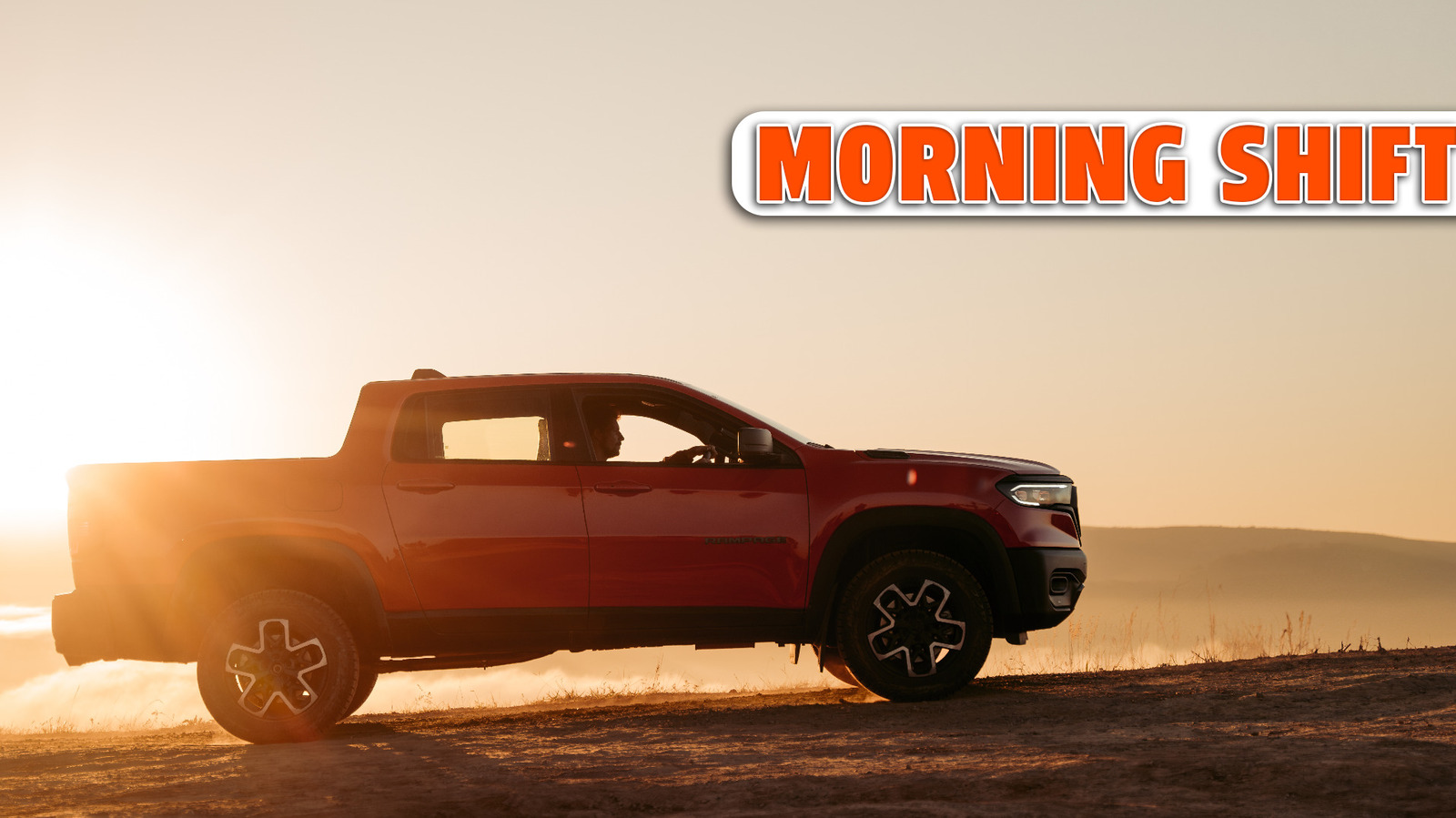


Stellantis wants Ram to outsell Jeep by 2030, targeting 825,000 trucks — a 60 percent jump from last year’s figures, which hit a 12-year low. It’s the kind of ambition that only makes sense if you’ve already exhausted every other option.
And Stellantis has.
The plan calls for more than doubling Ram’s lineup, pushing the brand into compact and midsize pickup segments where Chevrolet, Ford, and Toyota have been eating lunch undisturbed for years. The Ramcharger full-size SUV, a revived Dakota, the compact Rampage, a Promaster City small van, and the Rumble Bee street truck line are all part of the offensive. Meanwhile, Jeep — long the crown jewel of Stellantis‘ North American portfolio and the gravitational center of most dealer showrooms — is projected to settle at 740,000 units.
That 85,000-unit gap between Ram’s target and Jeep’s tells you everything about where Stellantis thinks the money is. Trucks print margins. SUVs are saturated.
The company watched its U.S. sales crater through 2024 and 2025 under former CEO Carlos Tavares, who squeezed margins until dealers revolted and buyers walked. New CEO Antonio Filosa is betting that flooding the truck market with fresh metal is the fastest way to claw back volume.
It’s a massive gamble. Ram’s 2025 sales were its worst in over a decade. Going from that trough to 825,000 in five years means not just launching new products but convincing buyers — and deeply skeptical dealers — that Stellantis has actually changed.
At the opposite end of the portfolio, Maserati is circling the drain. Filosa told Italian parliament this week that Stellantis is in talks with two potential partners for its luxury brand and will choose one soon. Partnership is a diplomatic word for shopping around for someone willing to share the cost of keeping Maserati alive, because the company clearly can’t justify doing it alone.
Maserati’s sales have been negligible for years. The GranTurismo and MC20 are lovely machines that almost nobody buys. Finding a partner willing to invest in a brand with that sales trajectory won’t be easy, and any deal will likely mean Stellantis surrenders significant control.
The contrast between Ram and Maserati captures the entire Stellantis identity crisis. This is a company with 14 brands trying to figure out which ones deserve oxygen and which ones are on life support. Ram gets the full product blitz. Maserati gets a phone call to potential suitors.
Separately, the used-car market is tightening in ways that affect how most Americans actually buy vehicles. Lease returns — traditionally a major source of quality used inventory for dealers — remain well below pre-pandemic norms. The industry was accustomed to roughly 4 million off-lease units annually before COVID. This year it’s looking at about 2.5 million, with maybe 2.9 million next year.
Dealers are adapting by buying cars directly from customers who come in for service appointments, making offers on oil-change visits. It’s resourceful, but it underscores how broken the pipeline remains. The average car on American roads is now 13 years old.
New-vehicle prices continue to push buyers toward used lots that don’t have enough inventory to meet demand. Stellantis’ Ram expansion, if it works, would eventually feed that used pipeline too. But five years is a long time in an industry where consumer patience has already run out.
Stellantis burned through most of its goodwill before Filosa even took the job. The products on the whiteboard look promising. The question is whether the company can execute — something its recent history gives no one reason to assume.

Share this Story