
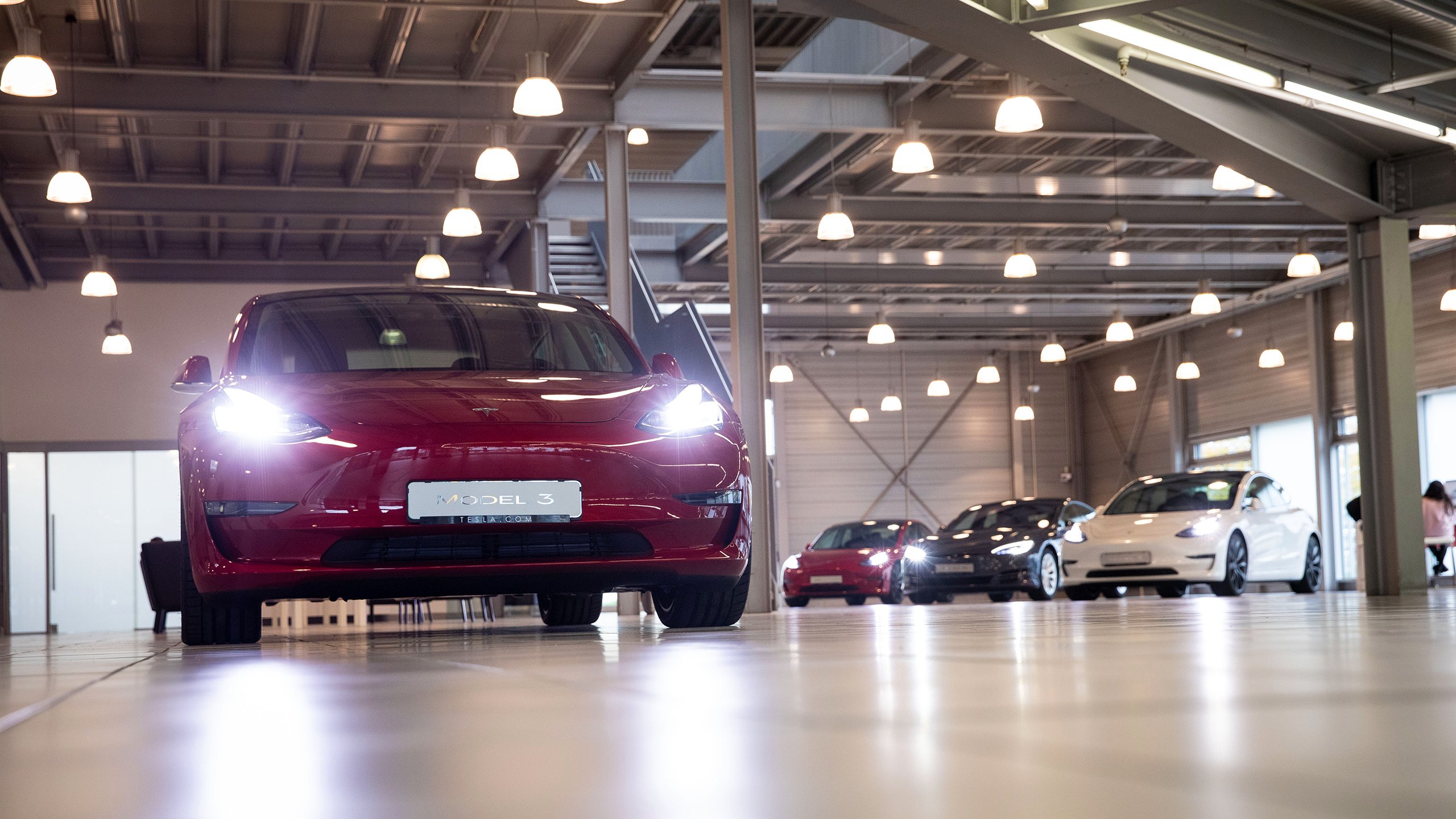


Tesla told federal regulators that nearly 20,000 Model 3 and Model Y vehicles with headlights exceeding legal brightness limits by nearly double were “inconsequential” to safety. The company filed a petition in spring 2024 asking NHTSA to let it skip the recall entirely. Two years later, the feds told Tesla no.
The affected vehicles span model years 2017 through 2023. Tesla’s defense hinged on a narrow technical argument: the zones where brightness exceeded the legal maximum were “positioned off the roadway both horizontally and vertically,” supposedly outside any driver’s natural line of vision. Tesla even conducted its own study and concluded other motorists “would not experience glare or distraction.”
NHTSA wasn’t buying it.
The agency pointed out what anyone who has driven at night already knows — a driver’s line of vision is constantly shifting. Approach one of these Teslas on a hill crest, in a valley, or around a curve, and those supposedly harmless bright zones land right in your eyes. Add rain, snow, or fog, and noncompliant headlights create veiling glare that compromises visibility for everyone nearby.
Tesla also leaned on the fact that nobody had formally complained about the headlights before the defect was discovered. NHTSA had zero reports of harm or injury on file. But once the agency opened a public comment period, two people came forward.
As the decision noted on Page 8, “The absence of complaints does not mean vehicle occupants have not experienced a safety issue, nor does it mean that there will not be safety issues in the future.” Tesla now has to notify all affected owners and arrange for free repair or replacement.
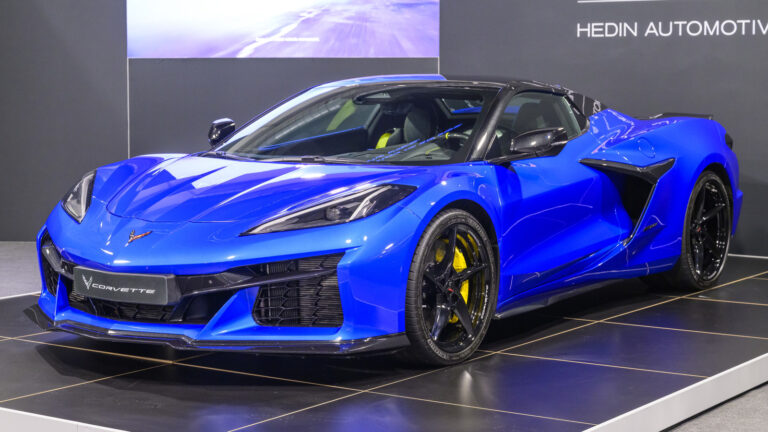
The playbook isn’t even original. GM ran the same gambit in 2022 with roughly 725,000 GMC Terrain SUVs whose headlights exceeded legal brightness limits by an even wider margin than Tesla’s. GM called it “inconsequential” too, and GM lost too.
Tesla, in a move that tells you everything about the spirit of these petitions, actually cited GM’s worse violation as part of its own defense. It was essentially arguing that its headlights weren’t as illegally bright as the other guy’s.
Both automakers used the same word: inconsequential. That word choice is revealing. It frames blinding oncoming drivers as a nuisance, not a hazard, which is a fascinating position for companies that spend billions marketing safety features.
The timing makes it worse. A recent survey cited by Reuters found that six in ten American drivers consider glare a problem after dark. Three-quarters said it has gotten worse over the past decade. The proliferation of LEDs and higher-riding vehicles has turned nighttime driving into an endurance test for millions of people, and automakers know it.
Recalls cost money, time, and good press. Every manufacturer looks for an off-ramp when a defect surfaces, and that’s not new. But the specific argument that headlights exceeding federal brightness standards by nearly double pose no meaningful safety risk is a stretch that insults the intelligence of anyone who has ever been momentarily blinded on a two-lane road at 55 mph.
NHTSA, to its credit, held the line in both cases. The standard exists for a reason. If your headlights blow past it, you fix them.
You don’t get to run your own study, declare yourself safe, and walk away. Two automakers tried. Two automakers failed. The next one considering the same petition might want to save the legal fees.
Share this Story