
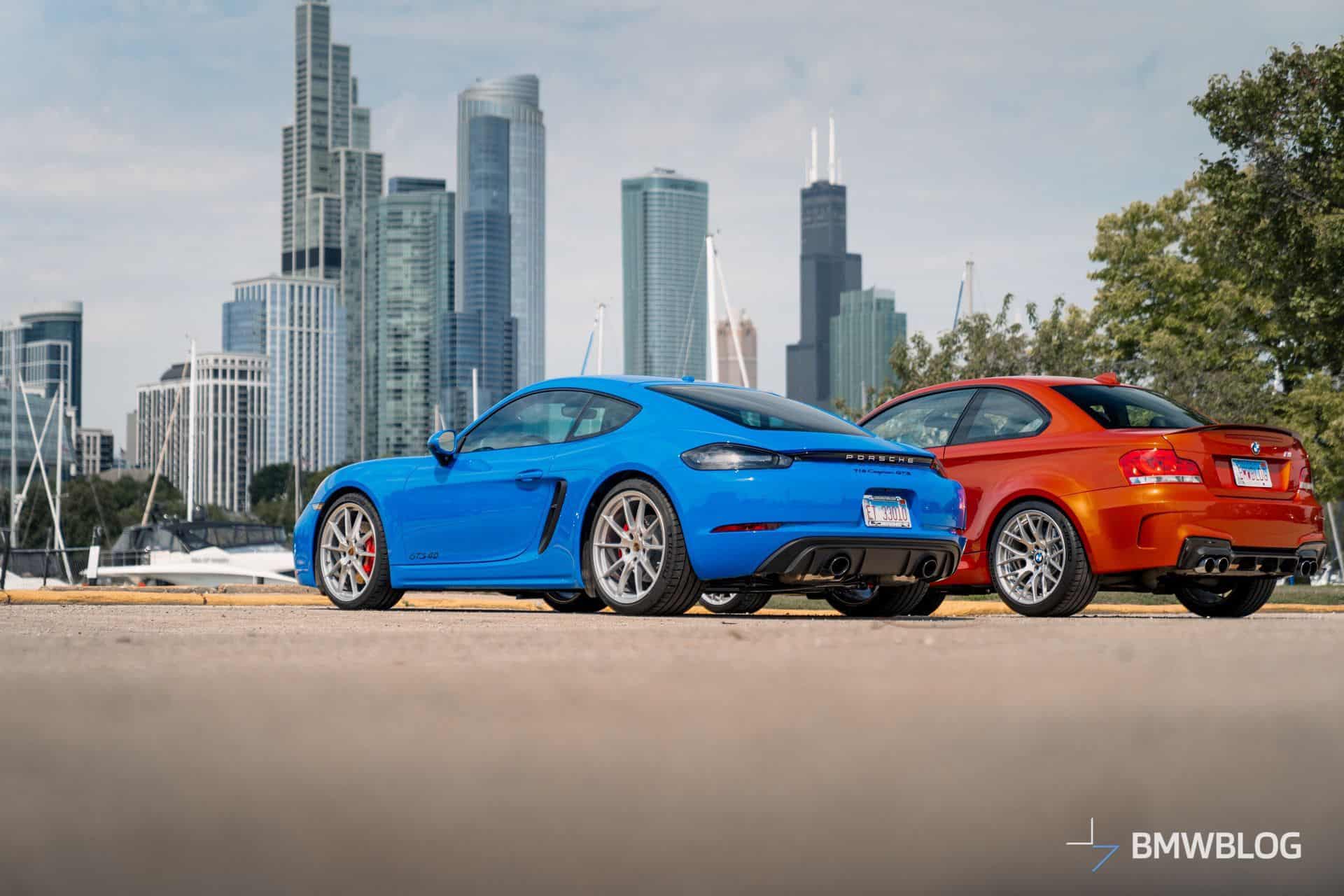


Porsche CEO Michael Leiters admitted he was “very, very skeptical” about turning the 718 into an electric sports car when he took the top job in January. Then he drove the prototype. His doubts evaporated.
The electric Boxster and Cayman are now locked in for 2027 production, with 2028 as the first full year on the line. The gas-powered versions are dead. No reprieve, no hybrid half-measures.
Porsche is going all-in on an electric two-seater below the 911, and across Munich, BMW has nothing in the pipeline that even pretends to compete. That silence from BMW is the real story here.
Porsche’s solution to the eternal EV sports car problem, the battery’s dead weight and low-slung packaging, is possibly the most interesting engineering commitment any automaker has made this year. Instead of laying the battery flat under the floor like every other electric car on the road, the 718 EV places it where the flat-six used to live. Three modules stacked across two levels in the rear.
The result is a 44.8:55.2 front-to-rear weight distribution and a seating position low enough that Porsche is calling it an “authentic sports car feeling.” Robert Meier, Porsche’s VP of vehicle architecture, confirmed the layout to Automotive News.
The company’s E-Core Architecture also drops the center of gravity below what a floor-mounted pack would allow. It is, on paper, the first EV architecture designed from scratch to mimic mid-engine behavior rather than simply electrifying a sedan platform.
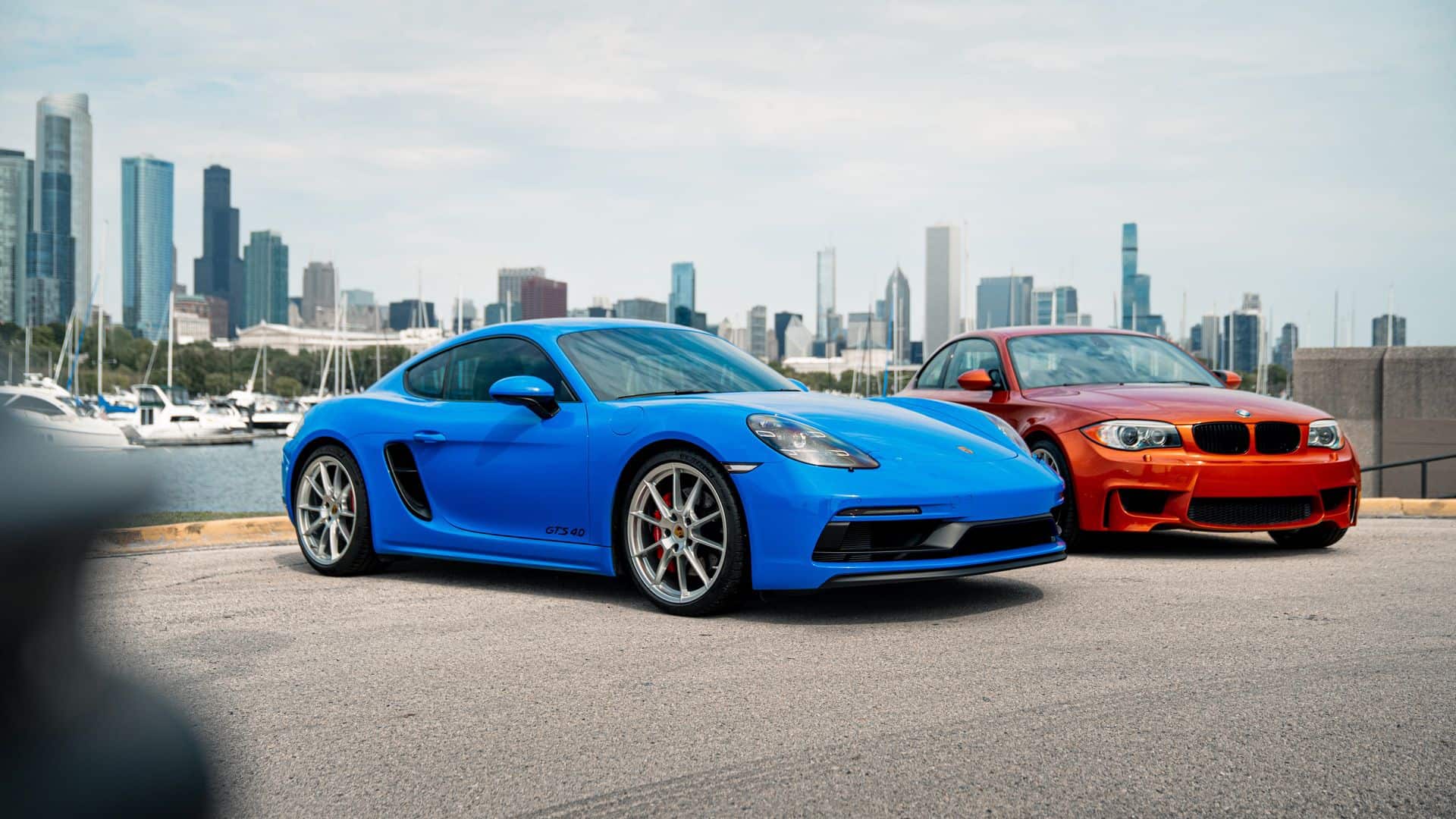
The elephant hasn’t left the room, though. Weight is still the fundamental tension in every electric performance car, and Porsche hasn’t said how heavy the 718 EV will be. A smaller battery trims kilos but kills range.
Extensive carbon fiber keeps things light but sends the sticker into six-figure territory faster than a Turbo badge. The balance Porsche needs to strike is razor-thin, and the company hasn’t shown its hand yet.
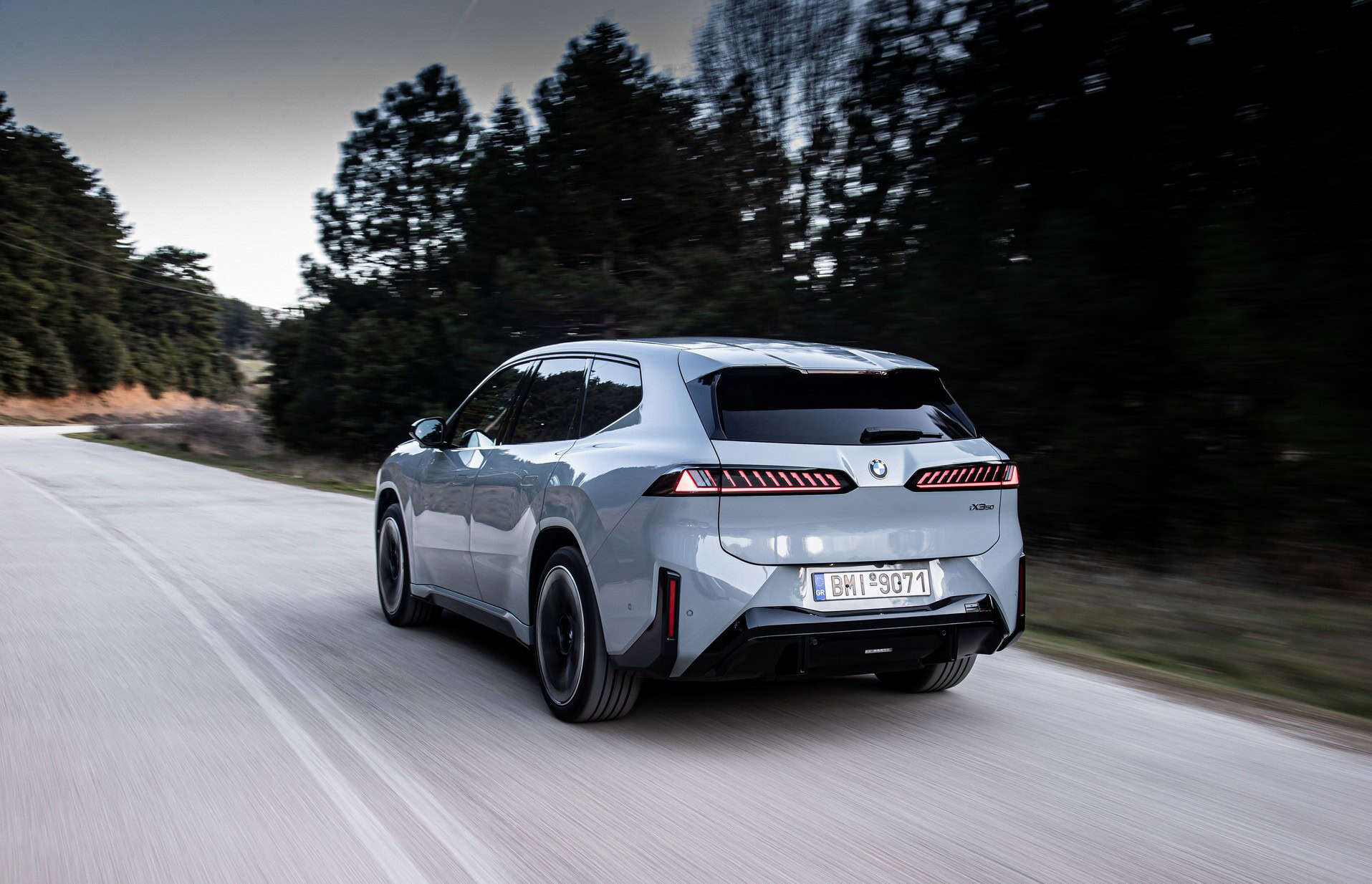
BMW, for its part, is busy elsewhere. The Neue Klasse platform is aimed squarely at sedans and SUVs. The electric M3, now confirmed as the first BMW EV to drop the “i” prefix, is a four-door.
An i3 Touring arrives in 2027. A compact i1 is penciled in for 2028. There have been spy shots of what might be an i4 Convertible, but even optimists would call that a long shot for production, let alone a credible Porsche 718 rival.
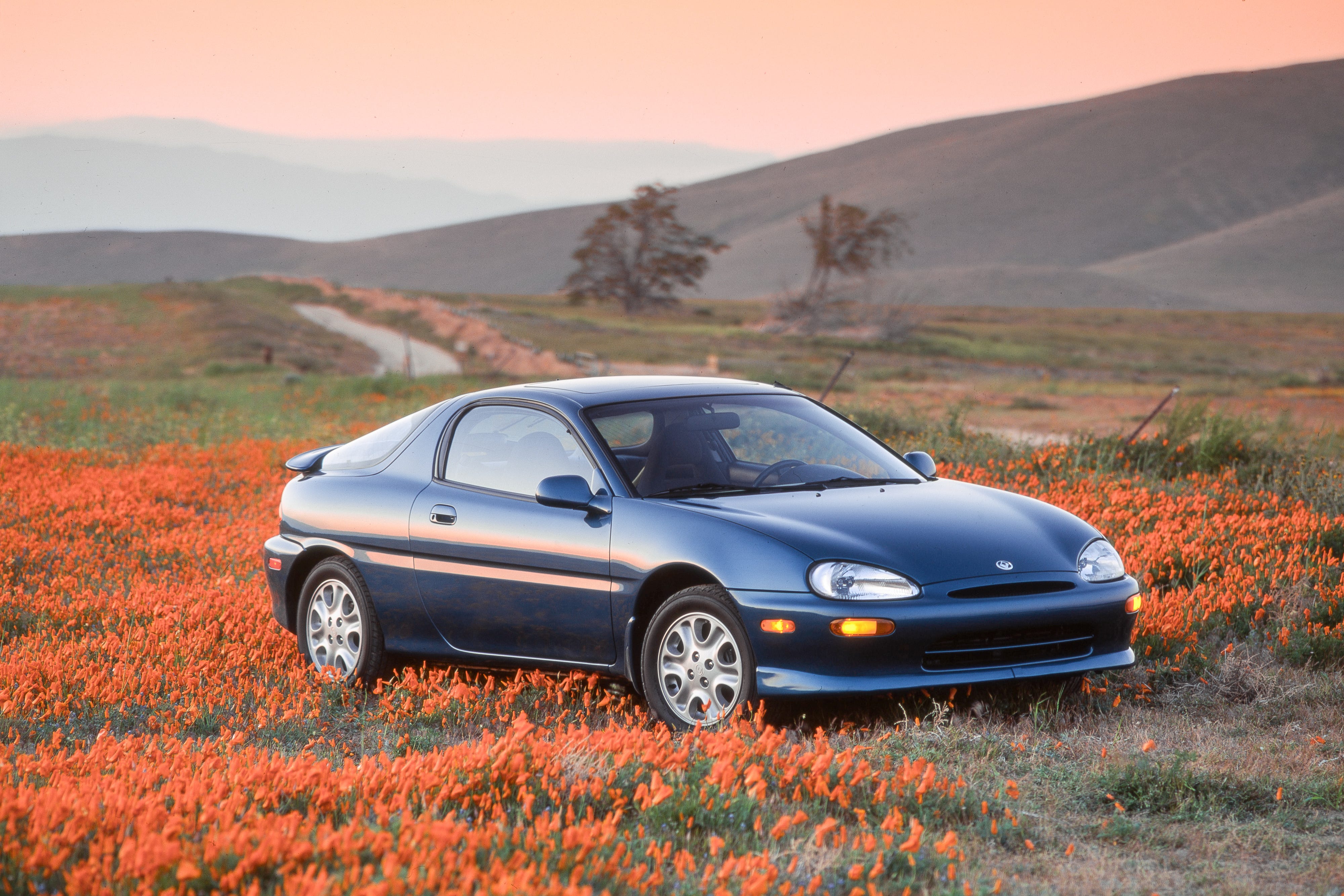
BMW once built the Z4, the Z3, the 8 Series, the i8. It knows two-door sports cars. And yet the company’s entire electric strategy is built around practical body styles and volume plays.
No coupe. No roadster. No mid-engine anything.
Porsche is taking the risk that buyers will pay sports car money for an EV that drives like one. Leiters has drawn a hard line between the 718 and the 911, promising the latter will never go fully electric. That gives the electric 718 a distinct identity rather than making it feel like a lesser, battery-powered compromise.
Whether the market actually wants a battery-powered Cayman at whatever price Porsche lands on is a question nobody can answer yet. EV demand has softened across the industry, and Porsche itself has been publicly rethinking its electrification timeline. The fact that the 718 survived that reassessment says something about internal confidence.
BMW’s absence from this fight says something too. It just might not be what enthusiasts want to hear.
Share this Story